The Smart Investor’s Guide to Bridge Loans: Fast, Flexible Funding for San Diego Real Estate

Why Traditional Real Estate Lending Fails the San Diego Investor
Traditional banks are built for the slow lane. They want piles of tax returns, three months of soul-searching due diligence, and a property that already looks like a Pinterest board. If you are eyeing a distressed property that needs a complete overhaul, a big-box bank will show you the door before you even finish the application. They see risk; you see a margin. This disconnect is why the most successful players in the county have abandoned the corner bank in favor of more agile options.
San Diego’s median home price recently hit the $1 million mark, according to Pacific Keys Realty. In a market this expensive, the cost of a missed opportunity is staggering. If you are waiting on a conventional mortgage while a competitor shows up with a non-contingent offer, you’ve already lost. You need a way to close in days, not months. You need a financial tool that prioritizes the asset’s potential over your personal debt-to-income ratio.
Hard Money Lending: The Private Engine of Southern California
Let’s talk about the elephant in the room: Hard Money Lending. For years, "hard money" was a whispered term, often misunderstood as a "loan of last resort." Today, it is a strategic choice for high-net-worth investors. These are asset-based loans. The lender cares primarily about the value of the real estate and your "skin in the game" rather than your FICO score from ten years ago.
Why use it? Speed. A private lender can often fund a deal in 5 to 10 business days. They aren't bogged down by the same federal regulations that handcuff commercial banks. In the San Diego market, being able to waive a financing contingency makes your offer nearly as strong as cash. It gives you the "hammer" needed to beat out emotional homebuyers who are tied to 30-year fixed-rate timelines.
Fix and Flip Loans: Revitalizing San Diego Neighborhoods
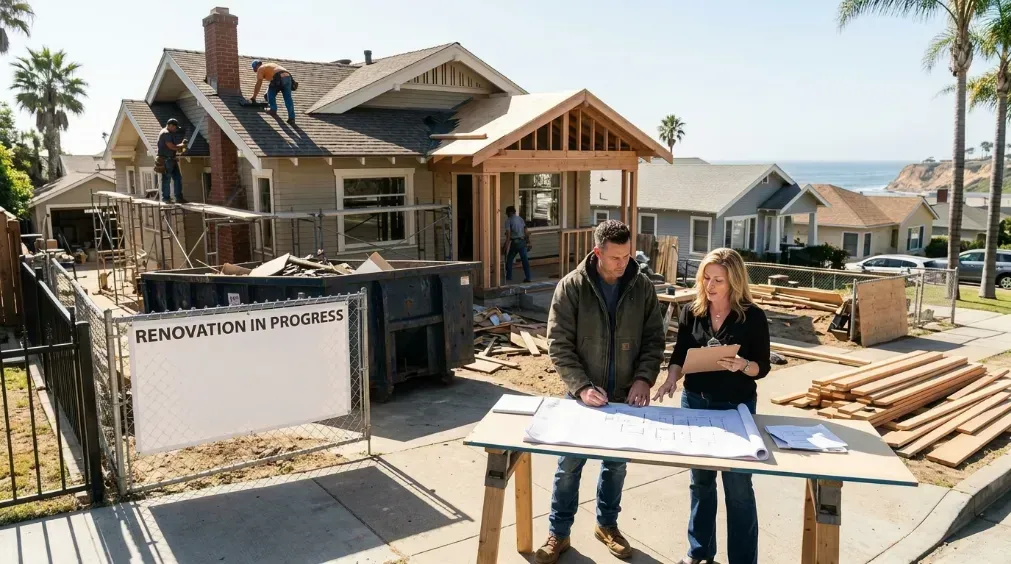
If you are looking at a "value-add" project in Chula Vista or Oceanside, fix and flip loans are your best friend. These are a specific flavor of bridge financing designed to cover both the purchase price and the renovation costs. Think of it as a shot of adrenaline for your project. Instead of draining your personal cash reserves to pay the contractors, you use the lender’s capital to build the equity.
The beauty of these loans lies in the After-Repair Value (ARV). A savvy lender will look at what the house will be worth once you’ve installed those quartz countertops and drought-tolerant landscaping. According to TaliMar Financial, bridge loans often offer higher loan-to-value (LTV) ratios, sometimes covering up to 80% of the purchase price and 100% of the rehab costs. This allows you to scale. Why do one flip when you can use the same amount of personal capital to fund three?
The Cost of Speed: Interest Rates and Reality in 2025
Nothing in this world is free, especially not fast money. You are going to pay more for a bridge loan than you would for a primary residence mortgage. It’s a trade-off. Currently, hard money rates in California hover between 9% and 12%, depending on your experience and the property type. Data from Lender Link suggests that the average rate for San Diego hard money hovered around 9.93% in late 2024.
Don't let the double-digit interest rate scare you off. You aren't keeping this loan for thirty years. You are keeping it for six to twelve months. When you do the math, the interest expense is just another line item in your pro forma, like lumber or permits. If paying an extra 3% in interest allows you to secure a deal with a $100,000 profit margin that you otherwise would have lost, the choice is obvious. It is a business expense, not a personal burden.
The Exit Strategy: Bridging to Long-Term Wealth
A bridge loan is exactly what it sounds like: a way to get from Point A to Point B. You should never cross a bridge without knowing what is on the other side. For most San Diego investors, the exit strategy is either a "flip" (selling the property for a profit) or a "refi" (moving into long-term debt). The latter is often called the BRRRR method: Buy, Rehab, Rent, Refinance, Repeat.
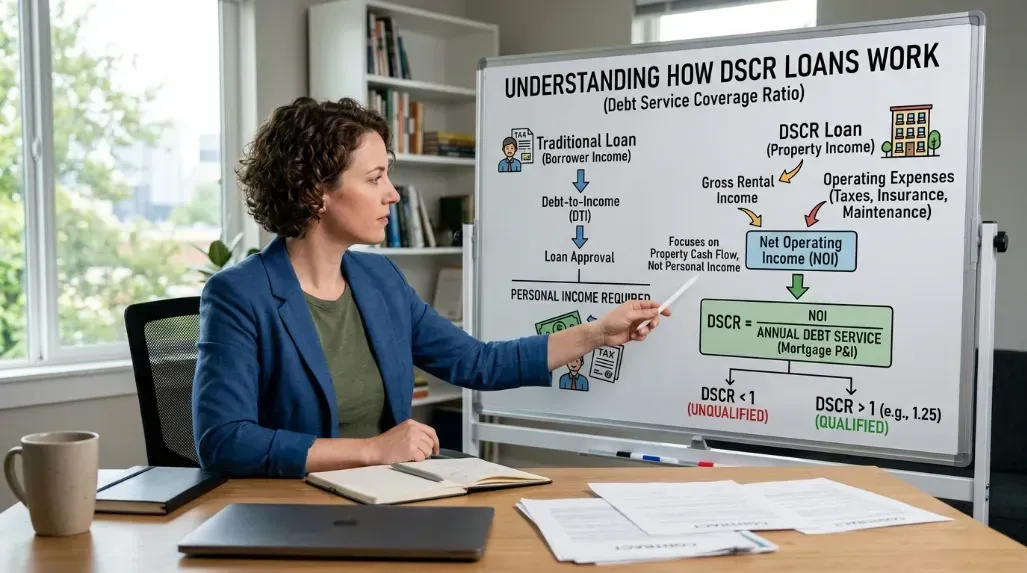
With the National Association of Realtors reporting steady investor activity despite higher rates, the competition for rental inventory remains fierce. By using a bridge loan to stabilize a property—perhaps by adding an Accessory Dwelling Unit (ADU), which is a massive trend in San Diego right now—you increase the property's value and income potential. Once the work is done and a tenant is in place, you can "take out" the hard money loan with a lower-interest, long-term real estate lending product like a DSCR loan.
Final Verdict: Move Fast or Get Left Behind
San Diego real estate doesn't wait for anyone. The market is tight, the prices are high, and the sellers are savvy. If you want to play in this arena, you need to arm yourself with the right financial weapons. Bridge loans aren't just a convenience; they are a necessity for anyone serious about building a portfolio in Southern California. Stop thinking like a consumer and start thinking like a shark. Use the speed of private capital to grab the deals that everyone else is too slow to catch.
Ready to get started? Check out the Investopedia guide to bridge loans for a deeper look at the mechanics, then find a local San Diego partner who knows the streets as well as you do.
Frequently Asked Questions
What are the typical requirements for a bridge loan in San Diego?
Lenders primarily look for equity and a solid exit strategy. Most require at least 20-30% down payment or equivalent equity in the property. While credit scores are checked, they carry less weight than the property’s value and your experience with similar real estate projects in the local market.
How fast can I get funding through hard money lending?
Speed is the main advantage. While traditional banks take 45 to 60 days, most private hard money lenders in San Diego can fund a deal within 5 to 10 business days. Some can even provide a preliminary approval letter within 24 hours to help you make a competitive offer.
Can I use fix and flip loans for both purchase and renovations?
Yes. Many fix and flip loans are structured to cover a percentage of the purchase price and 100% of the renovation budget. The renovation funds are typically held in escrow and released in "draws" as you complete specific phases of the project, ensuring the work stays on track.