Bank Statement Loans in San Diego: Flexible Financing for Self-Employed Investors and Business Owners

John Constantine • March 31, 2026

For many self-employed investors and business owners in San Diego, traditional financing can be a challenge. Banks often require extensive documentation, tax returns, and strict credit checks that don’t always reflect the true financial health of entrepreneurs. That’s where bank statement loans come in providing flexible, asset-based financing tailored to the needs of San Diego’s dynamic real estate market.


In this blog, we’ll explore how bank statement loans work, why they’re ideal for self-employed borrowers, and how local investors can leverage them to grow their portfolios.

What Are Bank Statement Loans?

Bank statement loans allow borrowers to qualify based on their bank deposits rather than tax returns or W-2s. This makes them particularly useful for:

  • Self employed investors with fluctuating income.
  • Business owners who reinvest profits into their companies.
  • Real estate investors who need quick, flexible financing.

Unlike traditional loans, these loans focus on cash flow and deposits, making them more accessible to entrepreneurs in San Diego County.


Why San Diego Investors Choose Bank Statement Loans

San Diego’s real estate market is competitive, with properties often selling quickly. Bank statement loans offer:

  • Speed: Approvals and closings in as little as 14 days.
  • Flexibility: Qualification based on deposits, not tax returns.
  • Local expertise: Tailored for San Diego County investors.

For example, lenders like San Diego Hard Money Lender specialize in asset-based financing, helping investors close deals faster than traditional banks.


Benefits for Different Audiences


Audience Benefit of Bank Statement Loans
Experienced Investors Access higher leverage and faster closings to scale portfolios.
New Investors Easier qualification compared to strict bank requirements.
Self-Employed Borrowers Use deposits instead of tax returns to prove income.
Business Owners Maintain reinvestment strategies without disrupting financing.
Time-Sensitive Buyers Close deals quickly in San Diego’s competitive market.
Real Estate Agents & Brokers Offer clients flexible financing options.
Small Developers Secure funding for construction projects.
Out-of-State Investors Partner with local lenders for smooth transactions.

How Bank Statement Loans Compare to Other Loan Options

San Diego investors often combine bank statement loans with other financing products:


Bank statement loans complement these options by providing flexibility for self-employed borrowers who may not fit traditional lending profiles.


Local Impact: San Diego County

San Diego County’s diverse real estate landscapefrom coastal properties to suburban developments—creates opportunities for investors at all levels. Bank statement loans empower:


  • Small developers to break ground on new projects.
  • Self-employed entrepreneurs to expand into real estate.
  • Out-of-state investors to compete in San Diego’s fast-moving market.


Additional Advantages of Bank Statement Loans

Bank statement loans offer several other advantages that make them particularly appealing to San Diego’s self-employed and investor community:


  • Reduced Documentation: Unlike traditional loans that require extensive paperwork, bank statement loans streamline the application process by focusing primarily on bank statements.


  • Credit Flexibility: These loans often have more lenient credit score requirements, allowing borrowers with less-than-perfect credit to qualify.


  • Customized Loan Terms: Lenders may offer tailored loan terms based on the borrower’s unique financial situation and investment goals.


  • Higher Loan Amounts: Some lenders provide higher loan amounts based on consistent deposit history rather than reported income.


  • Opportunity for Portfolio Diversification: Investors can use these loans to quickly acquire multiple properties, diversifying their real estate holdings.


Common Use Cases for Bank Statement Loans

Bank statement loans are versatile and can be used for a variety of investment and business purposes, including:

  • Property Acquisition: Quickly secure financing to purchase residential or commercial properties.
  • Renovations and Improvements: Fund remodeling projects to increase property value.
  • Bridge Financing: Cover short-term financing gaps between transactions.
  • Business Expansion: Use real estate investments as part of a broader business growth strategy.
  • Debt Consolidation: Refinance existing debts with more flexible terms.


Frequently Asked Questions

  • Who qualifies for a bank statement loan in San Diego?

    Self-employed individuals, business owners, and investors who can demonstrate consistent deposits through bank statements.

  • Are bank statement loans more expensive than traditional loans?

    Yes, interest rates are typically higher, but the flexibility and speed often outweigh the cost for investors.

  • Can I use a bank statement loan for rental properties?

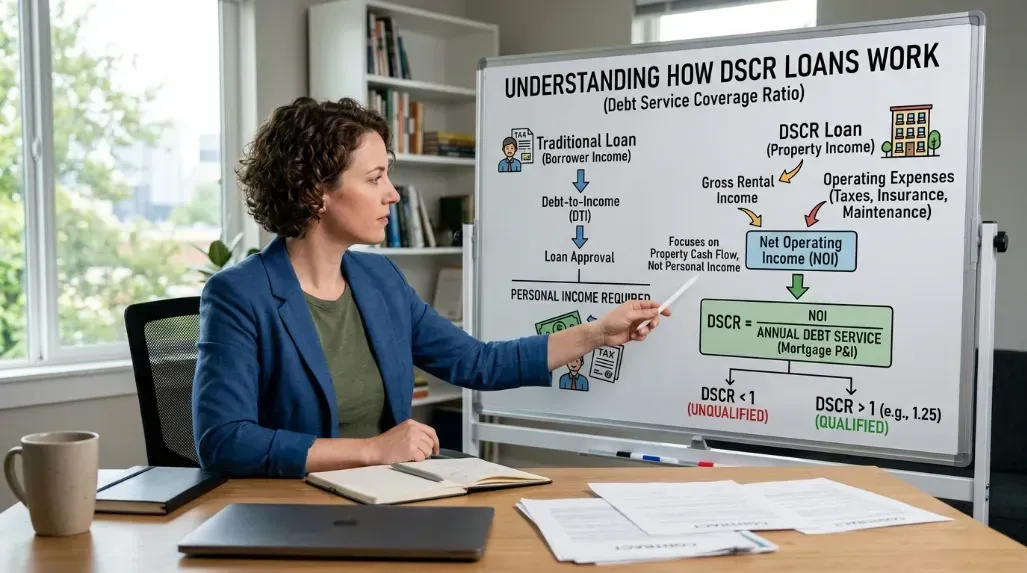
    Yes, especially when combined with DSCR loans that focus on property cash flow.

  • Are there any risks associated with bank statement loans?

    While bank statement loans offer flexibility, they often come with higher interest rates and shorter repayment terms. Borrowers should carefully assess their ability to meet loan obligations.


DSCR Loan
By John Constantine August 12, 2026
DSCR loans provide real estate investors with a streamlined way to finance rental properties based on asset cash flow rather than personal income.
By John Constantine August 6, 2026
Key Insights and Takeaways Ground-up construction loans provide real estate investors with the flexible, short-term capital needed to build properties from scratch. By utilizing structured draw schedules, developers only pay interest on the funds they actively use during the building phases. Securing the right financial partner ensures your project moves efficiently from raw land to a profitable asset. Ground-up loans cover both the acquisition of raw land and all building costs. Funds are disbursed in phases through a structured draw schedule following site inspections. Private lenders focus on the future appraised value of the property and the developer's experience.
By John Constantine July 30, 2026
Key Insights and Takeaways Bank statement loans offer a powerful financing alternative for self-employed individuals and business owners. By evaluating actual monthly cash flow instead of tax returns, these programs help entrepreneurs secure real estate without sacrificing their legal tax deductions. Navigating the competitive San Diego market requires flexible, fast financing solutions tailored to your unique financial profile. Bypass W-2 Requirements: Qualify for a mortgage using 12 to 24 months of banking records instead of standard tax returns. Protect Tax Deductions: Continue taking advantage of business write-offs without ruining your chances of buying a property. Speed and Flexibility: Secure faster approvals in competitive real estate markets by working with specialized local lenders.
By John Constantine July 23, 2026
Key Insights and Takeaways  Multifamily real estate investing requires precise budget planning and a deep understanding of local lending metrics. Rushing into short-term financing without accounting for hidden renovation costs or strict pre-payment penalties can destroy your profit margins. Partnering with a specialized local lender ensures you secure the right loan structure for your specific project timeline. Calculate your complete renovation budget before applying for any loan to avoid project stalls. Use accurate Debt Service Coverage Ratio (DSCR) metrics based on current market rents. Always build a three-month time buffer into your construction schedules to avoid expensive extension fees.
By John Constantine July 16, 2026
Key Insights and Takeaways Navigating a competitive housing market requires speed, flexibility, and strong financial backing. Short-term bridge financing empowers buyers to leverage their existing equity, skip the exhausting double-move, and secure their ideal property without restrictive contingencies. Partnering with a dedicated local lender ensures a smooth and rapid transition. Leverage existing equity to make immediate down payments on new properties. Submit highly competitive, non-contingent offers that sellers prefer. Eliminate the stress and expense of moving into temporary rental housing
By John Constantine July 13, 2026
Key Takeaways and Insights Choosing between a traditional bank loan and private financing requires looking beyond the initial interest rate. While banks offer lower rates, their slow approval processes and strict property requirements often kill lucrative real estate deals. Private asset-based lending provides the speed and leverage necessary to acquire properties quickly, reduce holding costs, and ultimately increase your total project profit. Fast private funding lets you negotiate better purchase prices and act like a cash buyer. Asset-based lenders fund distressed properties and renovation costs that standard banks reject. Shorter loan durations mean lower total holding costs, maximizing your final return on investment.
By John Constantine July 7, 2026
Key Takeaways and Insights  Real estate investors in Southern California need fast, reliable capital to compete in a rapidly moving market. By partnering with a local private lender, investors can secure asset-based financing that ignores traditional bank delays and focuses on deal profitability. This flexible funding approach empowers entrepreneurs to execute fix-and-flips, BRRRR strategies, and commercial developments efficiently. Hard money loans close in days, giving investors a massive competitive advantage over buyers using traditional bank financing. Asset-based lending ignores strict W2 income verification, focusing instead on property equity and after-repair value. Local lenders provide accurate market valuations and understand specific neighborhood dynamics in Southern California.
By John Constantine June 29, 2026
Key Insights and Takeaways Fix and flip loans offer real estate investors the necessary speed and leverage to acquire and rehabilitate distressed properties in competitive markets. By working with a localized private lender, investors can secure funding based on the asset's future value rather than strict personal income metrics. - Fast closing times allow investors to compete directly with cash buyers. - Funds are disbursed in draws to protect the renovation budget and keep projects on schedule. - Refinancing into DSCR loans provides a clear exit strategy for investors looking to hold flipped properties as rentals.
By John Constantine June 21, 2026
Navigating the competitive San Diego real estate market requires immediate access to capital, making asset-based lending a critical tool for serious investors. By prioritizing property value over personal tax returns, private financing allows house flippers, developers, and self-employed professionals to acquire and renovate properties without standard banking delays. Partnering with a local lending team ensures you have the regional expertise and financial leverage necessary to scale your real estate portfolio aggressively.  * Hard money lenders focus on the asset's After Repair Value (ARV) rather than extensive personal financial documentation. * Private capital enables investors to close deals in 5 to 10 days, providing a massive competitive advantage over buyers relying on traditional 45-day bank loans. * Local lending expertise is vital in San Diego for accurate property evaluations and customized short-term leverage strategies.
By John Constantine June 15, 2026
Navigating highly competitive real estate markets requires investors to bypass slow conventional banking in favor of agile, asset-based financing. Partnering with a specialized local lender empowers developers and property flippers to secure funds rapidly based on property value rather than personal income constraints. * Private capital drastically reduces closing timelines from months to mere days. * Asset-based underwriting ignores strict personal income requirements, favoring self-employed investors. * Local lending institutions provide superior property valuations and market-specific intelligence.