From Purchase to Profit: Fix and Flip Loan Options with San Diego Hard Money Lender
Real estate investing in San Diego requires a calculated blend of market knowledge and rapid execution. Whether you are a wholesaler spotting distressed properties in Pacific Beach or a syndication group eyeing a multifamily unit in Chula Vista, securing the right property is only the first step. The true catalyst for generating robust returns is the capital structure you choose to fund the acquisition and renovation.
Traditional banking institutions operate on timelines that directly conflict with the demands of the competitive California housing market.
This misalignment forces active investors to seek alternative financing mechanisms that prioritize speed and asset value over conventional underwriting metrics. San Diego Hard Money Lender provides the capital architecture necessary to turn promising acquisitions into completed, profitable assets. By understanding the specific loan options available locally, investors can strategically leverage outside capital to scale their portfolios and execute multiple projects simultaneously without draining their personal liquidity.

The Mechanics of Navigating the San Diego Real Estate Market
The local coastal market presents unique challenges and exceptional opportunities. Distressed inventory moves quickly due to high demand and limited supply. When a viable fix and flip property hits the market or becomes available through off-market channels, multiple offers materialize within hours. Investors who must wait thirty to forty-five days for standard mortgage approvals routinely lose deals to cash buyers or those backed by agile financial partners.
Speed is the primary currency for successful real estate wholesalers and experienced flippers. You need a lending partner capable of evaluating the after repair value of a property and funding the transaction in a fraction of the standard timeframe. This rapid deployment of capital allows you to negotiate from a position of strength. Sellers of distressed real estate prioritize certainty of closing above nearly all other factors. Presenting an offer backed by a reputable local institution signals that the transaction will proceed without the bureaucratic delays typical of conventional retail banking.
Comprehensive Hard Money Lender Services for Distinct Investment Strategies
Scaling a real estate business requires financing solutions tailored to specific operational models. The right capital partner understands that a solo wholesaler requires a different financial instrument than a mid-sized real estate investment group managing several concurrent renovations. Utilizing specialized hard money lender services ensures that your financing aligns directly with your project timeline and your ultimate exit strategy.
San Diego Hard Money Lender designs loan products specifically for the demands of Southern California investors. These products focus heavily on the intrinsic value of the real estate and the projected post-renovation value rather than relying heavily on the personal income history of the borrower.
Solutions for Real Estate Wholesalers
Wholesalers operate on thin margins and incredibly tight deadlines. Finding a deeply discounted property is an achievement. Occasionally an opportunity arises that is too lucrative to simply assign to another buyer for a standard fee. In these scenarios, securing short-term capital to close the transaction allows the wholesaler to transition into the flipper role and capture the entire profit margin. Short-term acquisition loans provide the necessary liquidity to purchase the asset outright, complete minor cosmetic updates, and list the property at full market value.
Structuring for Syndicates and Investment Groups
Partnerships and syndicates often target larger assets, such as small apartment complexes or multi-family units in emerging neighborhoods like North Park or Logan Heights. These projects require substantial capital for both the purchase and the extensive rehabilitation phase. Specialized construction and renovation loans disburse funds in structured draws based on project milestones. This method protects the capital while ensuring the investment group has consistent access to funds as contractors complete distinct phases of the upgrade. For syndicates looking to hold properties as rentals, these short-term loans serve as the perfect bridge until the building is fully tenanted and ready for permanent commercial refinancing.
Advancing Through Investor Tiers for Better Leverage
Capital costs should decrease as your experience and deal volume increase. Seasoned flippers who consistently deliver high quality renovations present a lower risk profile to lenders. San Diego Hard Money Lender recognizes this correlation and structures loan terms to reward proven track records. Active investors move through distinct borrowing tiers based on their successful transaction history.
Progressing from a foundational Bronze tier to an elite Platinum tier unlocks significant financial advantages. These benefits typically include lower origination points, reduced interest rates, and higher loan to value ratios. High volume flippers can stretch their initial equity further across multiple concurrent projects by leveraging these enhanced terms.
To clearly illustrate how experience directly impacts your financing terms and overall project profitability, review the specific criteria and benefits associated with different investor volume levels below.
| Investor Tier | Required Completed Flips | Typical Loan-to-Value (LTV) | Origination Points | Approval Speed Target |
|---|---|---|---|---|
| Bronze | 0 to 2 | Up to 70% | 2.5 to 3.0 | 7 to 10 Days |
| Silver | 3 to 5 | Up to 75% | 2.0 to 2.5 | 5 to 7 Days |
| Gold | 6 to 10 | Up to 80% | 1.5 to 2.0 | 3 to 5 Days |
| Platinum | 11+ | Up to 85% | 1.0 to 1.5 | 2 to 4 Days |
Moving up this ladder directly impacts the bottom line of every project. A Platinum-tier investor enjoys lower holding costs and requires less out-of-pocket cash to initiate a new flip. This systematic approach to lending fosters long-term partnerships between the investor and the capital provider, creating a cycle of mutual growth.
Maximizing Profit Margins on San Diego Properties
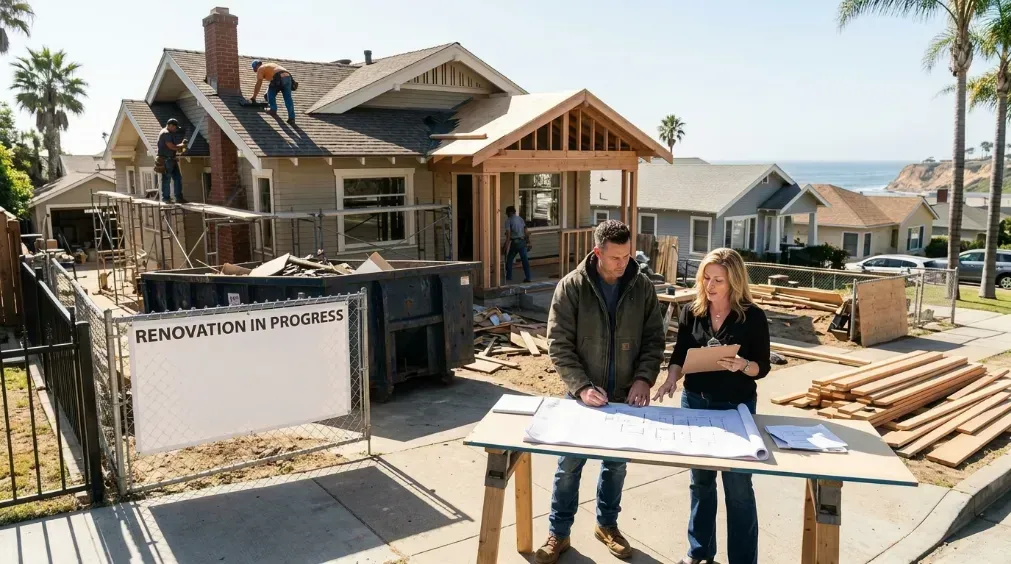
Acquiring the asset is only one component of the profitability equation. Managing the renovation timeline and keeping holding costs to an absolute minimum dictates the final return on investment. Every additional month a property sits under construction or lingers on the market adds interest payments, property taxes, and insurance costs that erode your projected profit.
Effective project management requires a reliable flow of funds. When contractors finish a phase of work, they expect prompt payment. Delays in funding draws can stall a project, causing construction crews to walk off the job and extending the timeline significantly. Working with a local San Diego lender means your draw requests are processed by a team familiar with the area. Local inspectors can visit the site promptly, verify the completed work, and authorize the release of the next tranche of capital. This localized efficiency keeps your project on schedule and your contractors satisfied.
Furthermore, understanding the micro markets within San Diego County is vital. A luxury renovation that yields high returns in La Jolla might over-improve a property in El Cajon, resulting in lost capital. Your financing partner should possess a deep understanding of local appraisal values and buyer demand. This shared market intelligence helps validate your after-repair value estimates before you commit funds to the purchase.
Initiating Your Next Fix and Flip Project
Succeeding in the Southern California real estate sector requires an aggressive acquisition strategy backed by rock-solid financing. Whether you are acquiring your first distressed property to transition out of wholesaling or scaling a large multifamily portfolio, aligning with a dedicated capital partner streamlines your operations. San Diego Hard Money Lender stands ready to review your property details, evaluate your proposed renovation budget, and structure a loan that maximizes your potential returns.
Your ability to close deals quickly and manage renovations efficiently will dictate your overall success in this competitive region. Taking decisive action requires moving past traditional banking limitations and embracing asset-based lending models designed specifically for active real estate professionals. If you have identified a promising property and need immediate capital to secure the transaction, reach out to our team to discuss your specific requirements. We are prepared to analyze your deal metrics and provide the financing you need to execute your strategy.
To get started on your next project, visit our Contact Us page and speak directly with one of our local funding specialists today.
Frequently Asked Questions
What is the primary difference between a hard money loan and a conventional mortgage?
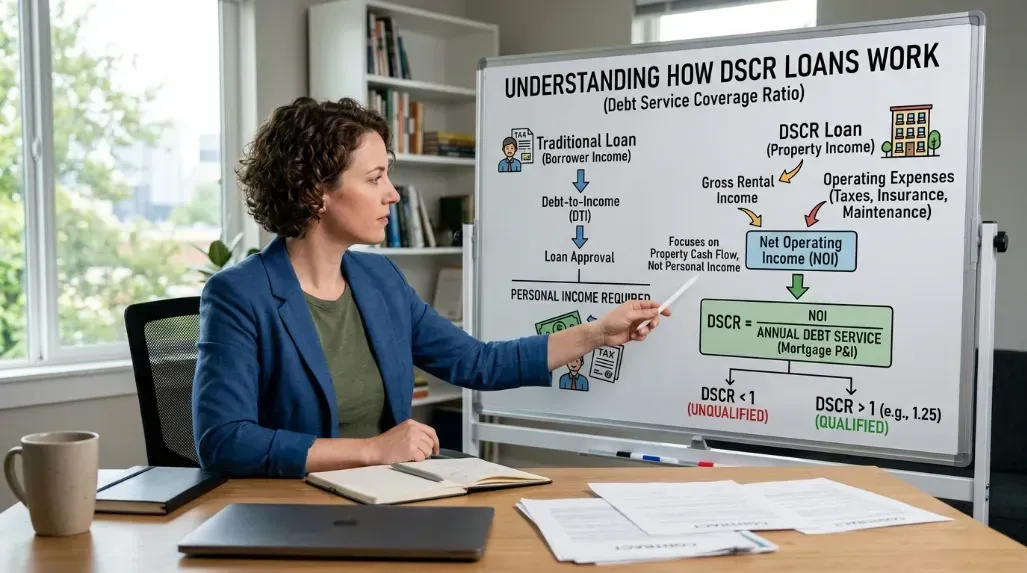
Hard money loans are asset-based. This means the lender focuses primarily on the value of the property and its potential after-repair value rather than strictly scrutinizing the borrower's personal credit score or debt-to-income ratio. They close much faster than conventional mortgages and are strictly intended for short-term use during a renovation or transitional period before the property is sold or refinanced.
How quickly can San Diego Hard Money Lender fund a fix and flip project?
Funding timelines depend on the investor's experience tier and the complexity of the specific deal. Standard funding typically occurs within seven to ten days. Highly experienced Platinum-tier investors with clean property titles and clear scopes of work can often secure funding in as few as two to four business days.
Do you provide financing for the renovation costs as well as the property purchase?
Yes. Fix and flip loans are structurally designed to cover a significant percentage of the initial purchase price alongside up to one hundred percent of the predetermined renovation budget. The renovation funds are held in escrow and released in structured draws as specific phases of the construction are completed and locally verified.
Can first-time real estate investors apply for hard money loans?
Yes, many lenders work with first-time investors. However, experienced investors may qualify for better terms. New borrowers may need to provide a detailed renovation plan, contractor estimates, and a clear exit strategy.