Strategic Multifamily Loans for San Diego Property Investors
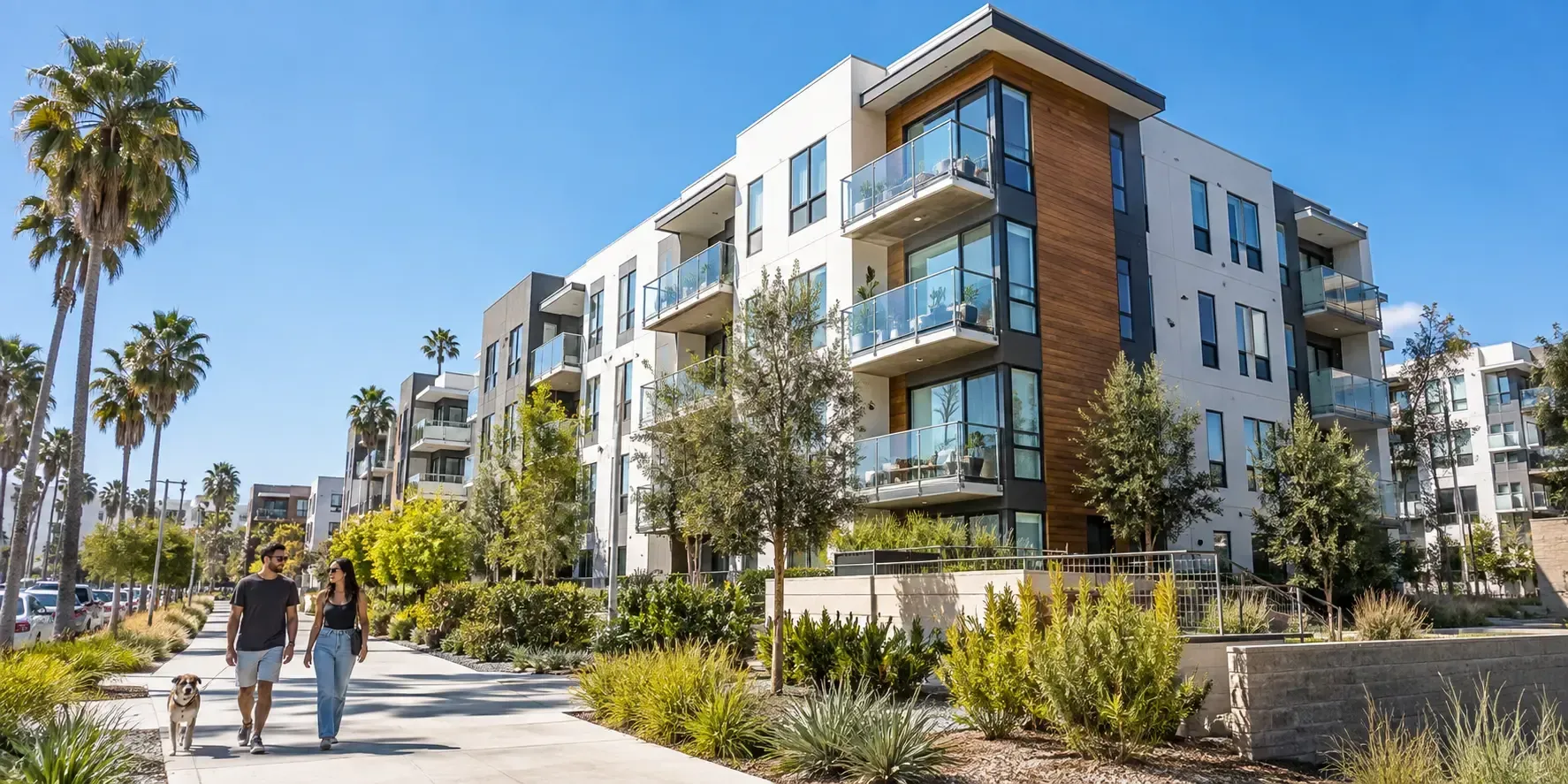
Building a robust property portfolio requires consistent access to reliable capital. Investors looking to expand their footprint in Southern California understand that the demand for housing continues to outpace available supply. This dynamic creates a highly lucrative environment for acquiring apartment buildings, duplexes, and large residential complexes. Securing the proper financing is the foundational step in capitalizing on these profitable opportunities.
San Diego Hard Money provides customized funding solutions tailored specifically to the unique demands of our local market. Our specialized team understands the nuances of San Diego CA neighborhoods and delivers agile financing options that align directly with your immediate and long-term investment goals. Whether you are purchasing your first duplex or expanding an existing commercial portfolio, having a responsive lending partner is essential for success.
Developing Your Real Estate Portfolio with Multifamily Assets
Investors frequently gravitate toward multi-unit properties because of the inherent financial benefits they offer over single-family homes. A single apartment building generates multiple streams of monthly income from one centralized location. This consolidated approach improves economies of scale regarding property management, routine maintenance, and insurance costs. Furthermore, vacancy risk drops significantly when you have ten separate tenants paying rent instead of relying on a single family.
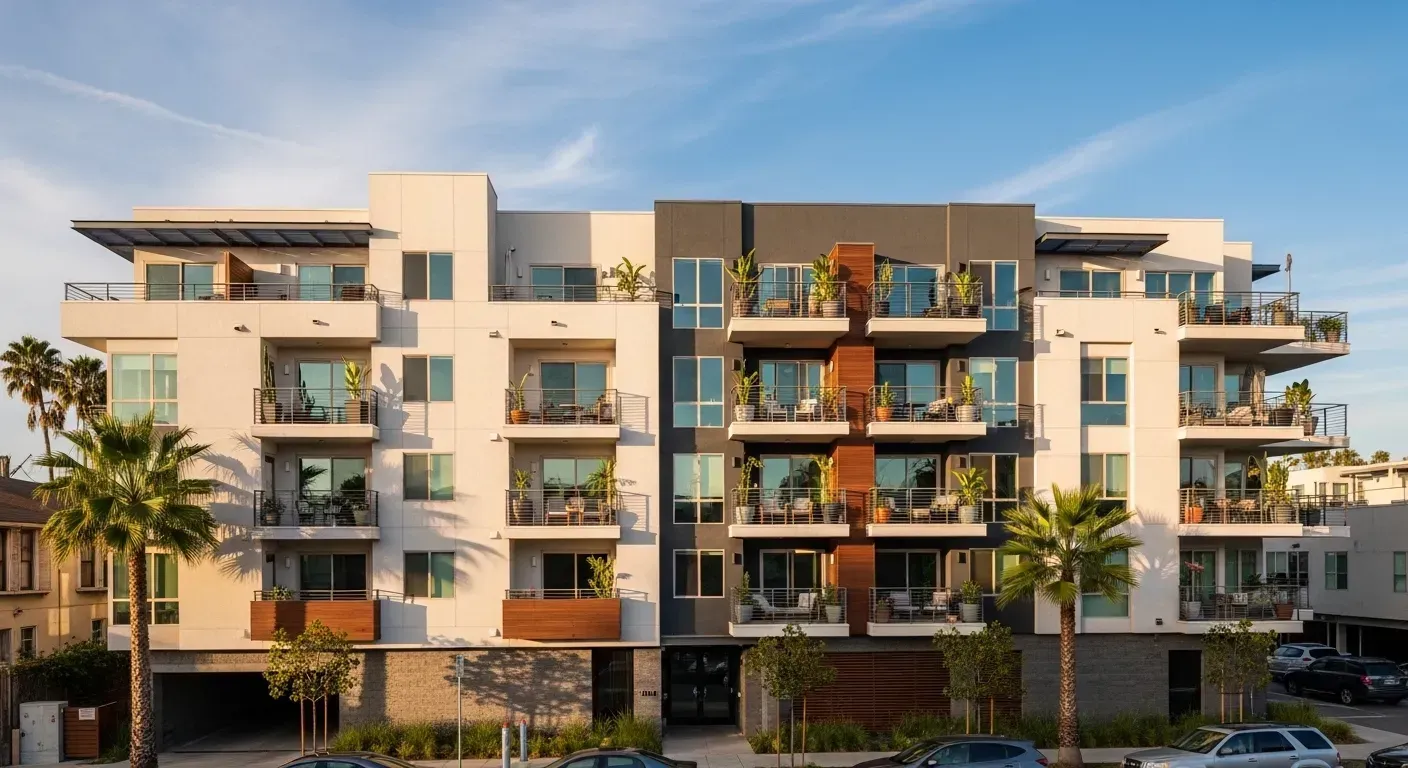
The San Diego CA market remains particularly resilient for property owners. High local desirability, excellent weather, and steady job growth bring a constant influx of new residents seeking quality rental housing. The tenant pool is exceptionally diverse, encompassing university students, military personnel, and technology sector professionals. Leveraging this high demand requires a firm understanding of commercial property valuation.
Unlike single-family residences that are appraised largely on comparable neighborhood sales, multi-unit buildings are valued primarily on their income-generating potential. This means that strategic physical improvements and careful rent optimizations will directly and rapidly increase the overall equity of your asset.
Understanding the Mechanics of Multifamily Loans
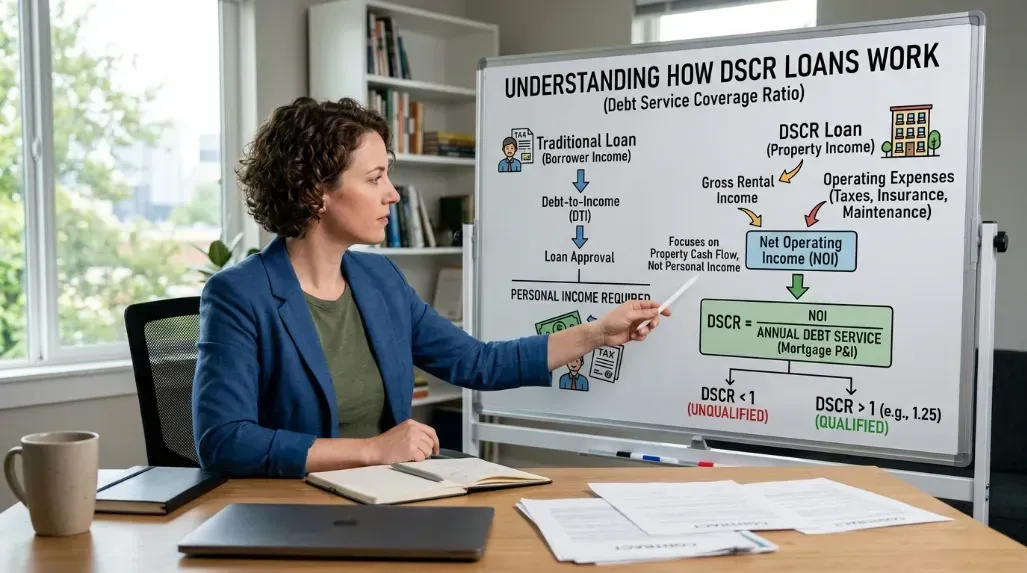
Funding a multi-unit property purchase differs significantly from securing a standard residential mortgage. Lenders carefully evaluate the debt service coverage ratio to determine if the property generates enough net operating income to comfortably cover the monthly loan payments. A strong ratio gives lenders immense confidence in the financial viability of the investment.
Traditional bank financing often involves lengthy approval processes, strict underwriting guidelines, and rigid credit requirements. These institutional hurdles frequently cause investors to miss out on highly time-sensitive deals. Private lenders and hard money specialists offer a much more agile alternative. By prioritizing the existing equity and future income potential of the property itself, alternative lenders dramatically streamline the funding timeline.
If you are planning a new acquisition, exploring dedicated multifamily loans is a critical step. These specific financial instruments are designed exclusively for properties with multiple units. They provide the necessary leverage required to purchase, stabilize, or refinance an apartment complex without the bureaucratic delays of traditional banking institutions.
Strategic Financing Scenarios for Multi-Unit Properties
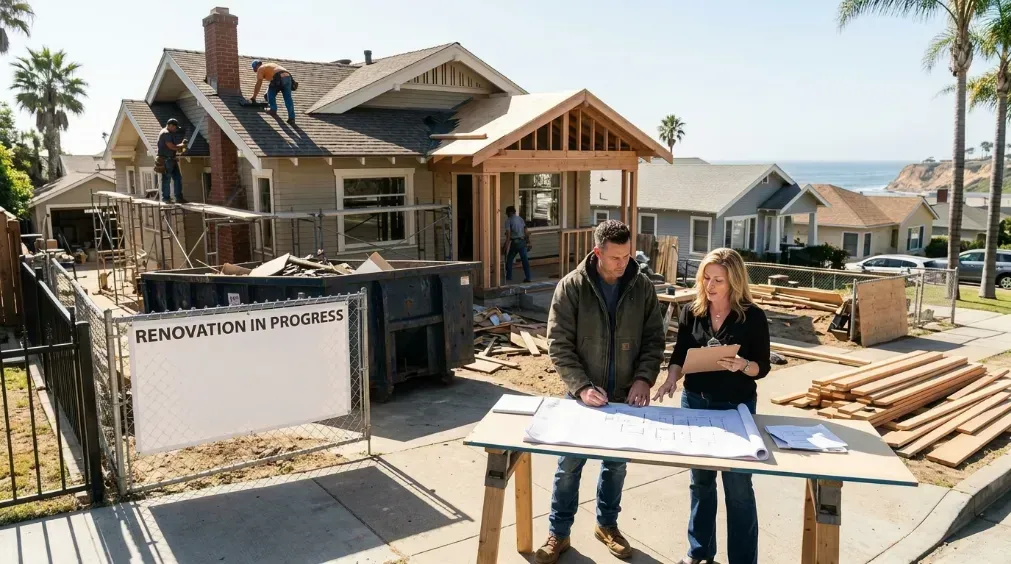
Property acquisition rarely follows a perfectly straight line. Many buildings enter the market in a state of disrepair, requiring significant renovations before they can command top-tier market rents. Securing traditional long-term financing on a distressed building is notoriously difficult. Smart investors bridge this financial gap by utilizing specialized short-term capital.
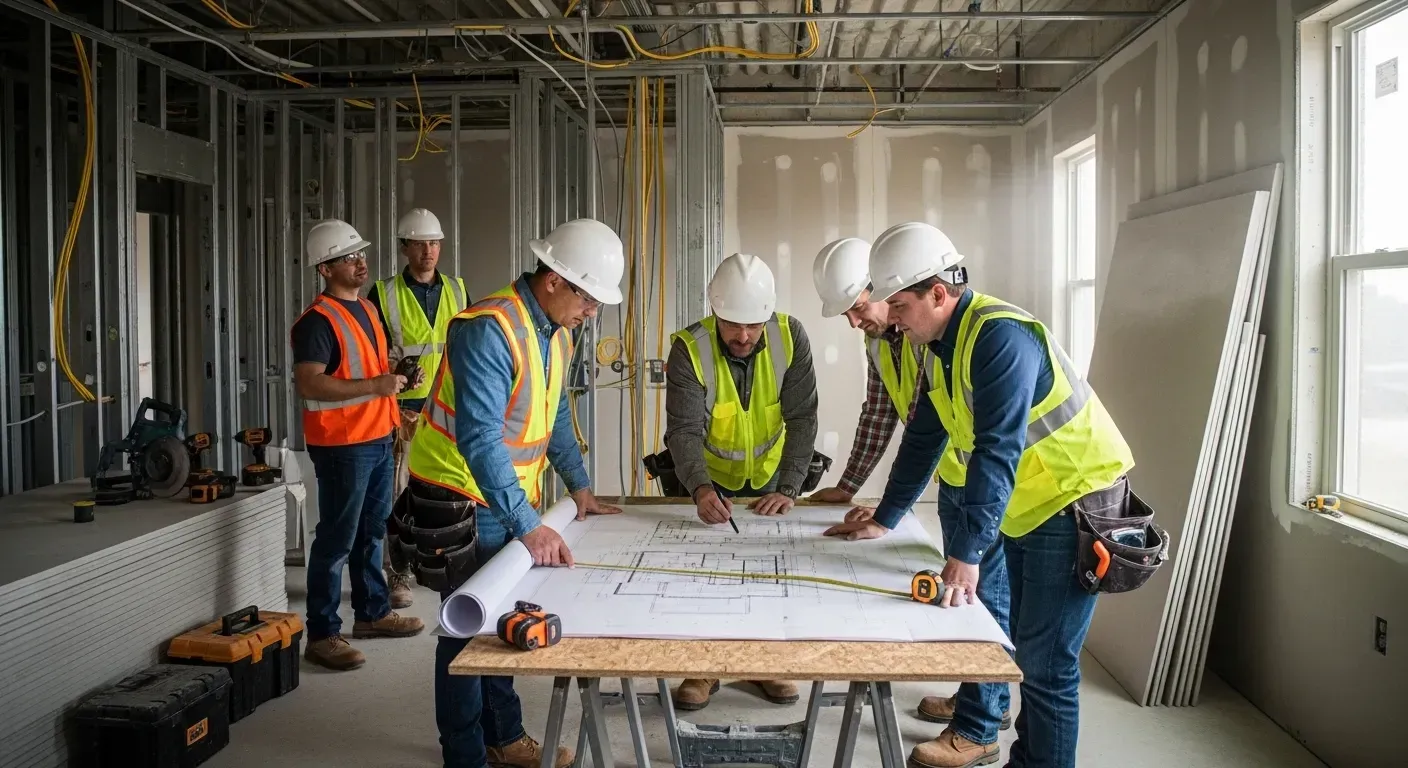
For properties requiring extensive upgrades, a fix and flip loan provides the necessary funds to purchase the asset and complete the comprehensive rehabilitation. Once the individual units are fully updated and successfully leased to new tenants, the property achieves its maximum stabilized value. At that specific point, the investor can easily refinance the short-term debt into a permanent long-term commercial mortgage.
Similarly, investors needing rapid capital to close a highly competitive deal can utilize bridge loans. This short-term financing acts as a critical financial stepping stone. It allows you to secure the property immediately while you take the time to arrange permanent financing or complete necessary tenant turnovers. For a much deeper look at how short-term funding operates at the local level, review our previous discussion on navigating bridge loans in the San Diego property market.
Partnering with Local Financing Experts
Property investment is an inherently local business. A financing partner who intimately understands the specific zoning laws, neighborhood trends, and economic drivers of San Diego CA provides a distinct competitive advantage. National lenders often lack this critical ground-level perspective, which routinely leads to inaccurate property valuations or denied applications based on misunderstood market nuances.
At San Diego Hard Money, we pride ourselves on being a trusted local resource for active investors. Our streamlined underwriting process focuses heavily on the hard asset and the investor's specific business plan. We recognize that every property has a unique story and requires a completely customized funding strategy. Whether you are purchasing a historic fourplex in North Park or a large modern complex in Chula Vista, we structure our loans to support your ultimate success.

You can read more about our core lending philosophy and our ongoing dedication to local property investors. We built our professional reputation on transparency, speed, and absolute reliability. When you find a promising multi-unit asset, you need a lending partner who can move as quickly as you do. Reach out to our lending team via our contact page to discuss your current acquisition pipeline and explore how our capital can facilitate your next major purchase.
Frequently Asked Questions
What qualifies as a multifamily property for lending purposes?
Properties containing two to four individual units are generally considered residential multifamily. Buildings housing five or more units strictly fall into the commercial multifamily category. This distinction is vital because it dictates the specific types of loan products available and the exact underwriting criteria lenders will apply to your application. Commercial valuations rely heavily on the income approach rather than residential comparable sales.
How quickly can I secure funding for an apartment building in San Diego?
Funding timelines vary widely based on the chosen lender and the overall complexity of the deal. Traditional banks frequently take 45 to 60 days to close a commercial loan. Private lenders focusing on hard money and bridge financing can typically close within 7 to 14 days. This accelerated speed is absolutely critical when competing against aggressive all-cash buyers in tight local markets.
Can I use a short-term loan to buy an underperforming complex?
Yes. Short-term lending options like bridge or rehabilitation financing are specifically designed for this exact scenario. These specialized loans allow you to purchase the distressed property and adequately fund all the necessary physical improvements. Once you successfully increase the rental income and stabilize the entire building, you can seamlessly refinance the short-term debt into a conventional long-term mortgage.