Buying Your First Investment Property in San Diego: How Hard Money Loans Make It Possible
Securing your first investment property in San Diego requires a strategic approach to financing. The local real estate market moves rapidly. High demand, limited inventory, and competitive bidding environments define the landscape from coastal neighborhoods like Pacific Beach to inland communities like El Cajon. Real estate investors must act with speed and certainty to secure profitable deals.
Traditional financing presents significant hurdles for property investors. Conventional banks operate with strict underwriting guidelines, extended approval timelines, and heavy reliance on personal income history.
These restrictions often disqualify self-employed entrepreneurs or buyers targeting distressed properties that need extensive repairs. When a property lacks a functioning kitchen or clear pest report, a traditional mortgage lender will typically deny the loan.
Alternative financing provides the leverage necessary to compete. Private capital allows investors to bypass conventional red tape, focusing entirely on the profitability and equity of the real estate asset itself.

Why San Diego Real Estate Investors Choose a Hard Money Lender
Partnering with a reliable hard money lender gives real estate investors a distinct advantage in a crowded market. Unlike traditional financial institutions that scrutinize your personal debt-to-income ratio or W-2 history, private lenders evaluate the viability of the real estate deal. This asset-based lending model shifts the focus from your personal tax returns to the property value and the projected profitability of the project.
Speed is the primary reason established investors and new portfolio builders utilize private capital. A conventional bank can take anywhere from thirty to forty-five days to close a mortgage. In the San Diego market, sellers of distressed properties rarely wait a month for a buyer to secure funding. Private lenders can frequently fund deals in a matter of days. This rapid closing capability allows you to submit cash-like offers, making your bid significantly more attractive to motivated sellers.
Flexibility serves as another major benefit. Private lending terms are structured around the specific needs of the project. Whether you are executing a swift cosmetic update in North Park or undertaking a substantial structural remodel in Chula Vista, your loan structure aligns directly with your construction timeline and exit strategy.
Key Financing Strategies for San Diego Properties
Different investment strategies require specialized funding solutions. Understanding the specific loan products available will help you match your capital to your business plan. San Diego Hard Money Lender specializes in several core funding avenues tailored to the region.
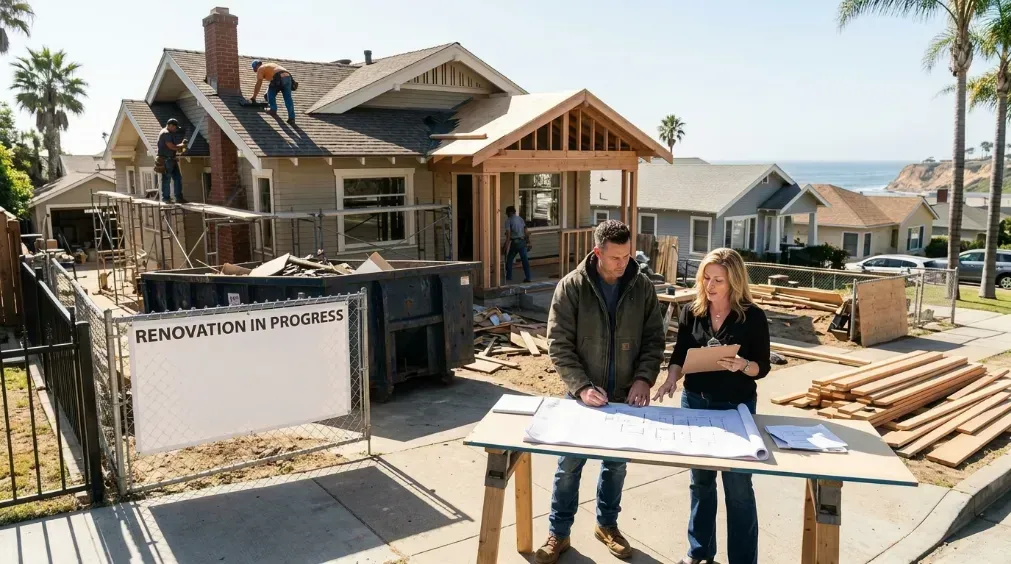
Fix and flip loans remain a staple for aggressive investors targeting older housing stock. These short-term loans cover the initial purchase price and provide a designated holdback reserve for construction costs. The lender releases funds in draws as you complete specific phases of the renovation. This keeps your out-of-pocket expenses low and maximizes your cash-on-cash return when you sell the improved asset.
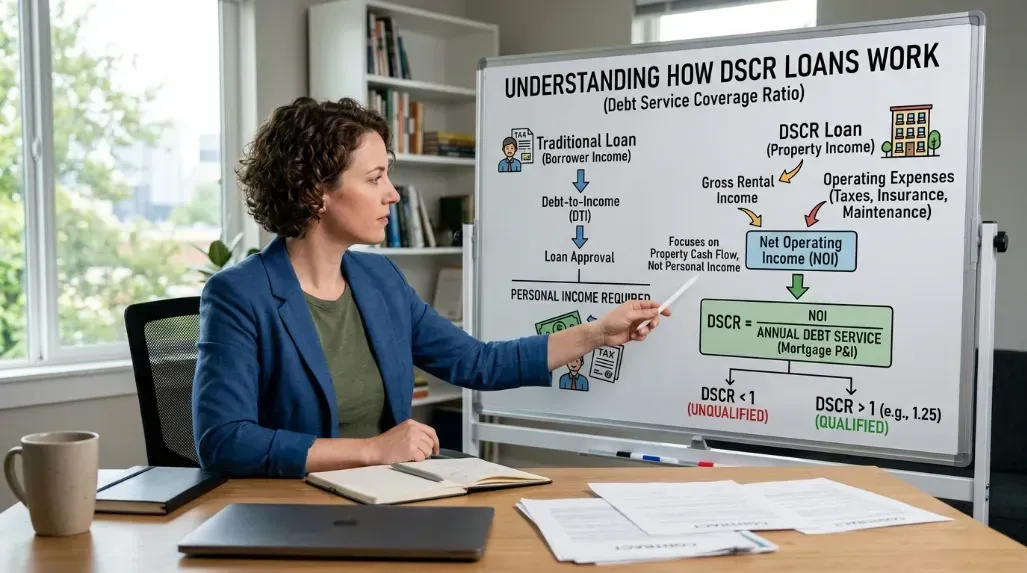
Debt Service Coverage Ratio loans cater to investors focused on long-term wealth generation through rental portfolios. A DSCR loan allows you to purchase or refinance a rental property based on the rental income the asset generates rather than your personal salary. If the monthly rent covers the principal, interest, taxes, and insurance, the property essentially qualifies itself. This product is highly effective for self-employed borrowers expanding their holdings in high-demand rental markets near major San Diego employment centers.
Bridge loans provide short-term capital to stabilize an asset. Investors use bridge financing to acquire a property quickly, execute minor improvements, and transition the asset into long-term conventional financing once it stabilizes.
Comparing Traditional Mortgages to Private Capital
Understanding the mechanical differences between institutional banking and private lending helps clarify when to use each financial tool. The table below outlines how these two funding sources differ across critical investment metrics.
| Feature | Traditional Bank Loan | Hard Money Loan | Ideal Investor Use Case |
|---|---|---|---|
| Approval Speed | 30 to 45 Days | 5 to 10 Days | Securing competitive bids and quick closures. |
| Primary Approval Metric | Personal Income and High Credit Score | Asset Value and Deal Profitability | Asset-based investors and self-employed buyers. |
| Property Condition | Must be strictly habitable and turnkey | Can be severely distressed or unlivable | Fix and flip projects or major renovations. |
| Loan Duration | 15 to 30 Years | 6 to 24 Months | Short-term acquisition and rehabilitation phases. |
| Bureaucracy | Heavy documentation and W-2 requirements | Minimal paperwork focused on the property | Bypassing institutional red tape for fast capital. |
How to Evaluate a San Diego Investment Deal
Acquiring the capital is only one part of the equation. You must also know how to identify a profitable opportunity. Private lenders protect their capital by ensuring your deal makes financial sense. You need a rigorous evaluation process before submitting a loan request.
The After Repair Value dictates the entire structure of a flip project. The ARV represents what the property will sell for on the open market once all renovations are complete. You determine this number by analyzing recent sales of fully updated homes within a half-mile radius of your target property. Accurate ARV calculations protect you from over-leveraging and ensure you maintain a healthy profit margin.
Rehab budgeting requires precision. Material costs and construction labor rates in Southern California are substantial. Underestimating your renovation budget is the most common mistake new investors make. You must walk the property with licensed contractors, identify structural issues, assess roof conditions, and secure firm bids for the necessary work. Including a ten to fifteen percent contingency reserve in your budget will protect you against unforeseen plumbing or electrical issues behind the drywall.
Location metrics heavily influence your strategy. Properties near major biotech hubs, military installations, or universities guarantee a steady pool of prospective tenants. Investing in neighborhoods with proactive zoning, such as areas friendly to Accessory Dwelling Unit development, offers multiple avenues to force equity and increase property density.
Navigating Ground-Up Construction and Development
Experienced builders and developers frequently utilize private capital for ground-up construction. Navigating the San Diego permitting process requires time, but once permits are ready to issue, developers need immediate access to capital to break ground.
Construction loans function similarly to fix and flip loans but on a larger scale. The lender assesses the land value and the fully developed future value of the project. Capital is disbursed through a strict draw schedule tied to municipal inspections and completed construction milestones. This type of funding is essential for contractors transitioning from simple remodels to building multi-unit residential complexes or infill housing developments.
Steps to Secure Funding for Your California Investment
Preparing your documentation properly ensures a seamless underwriting process. While private lenders do not require extensive personal financial audits, they do require comprehensive details about the real estate transaction.
First, solidify your purchase contract. You need an executed agreement with the seller to initiate the funding process. Lenders need the exact purchase price and the closing timeline to structure the loan correctly.
Second, compile your scope of work. Lenders need a line-item breakdown of your planned renovations. This document should detail every expense from foundational repairs to cosmetic finishes. A clear, professional scope of work demonstrates your competence to the underwriting team and justifies the required construction holdback funds.
Third, prepare your business entity documents. Most private lending transactions close in the name of a Limited Liability Company or a corporate entity rather than an individual name. Have your articles of incorporation and operating agreements ready for the title company.
Finally, prepare your liquid capital. Private lenders typically finance a significant percentage of the purchase price and the entirety of the renovation costs, but borrowers must bring "skin in the game." Having your down payment, closing costs, and holding reserves sitting in a verifiable bank account ensures there are no delays at the closing table.
Maximizing Returns in a Competitive Market
San Diego real estate offers remarkable opportunities for those prepared to execute. Securing a property below market value, managing a tight construction schedule, and utilizing the right financial leverage creates a proven formula for wealth generation.
Waiting for traditional banking approvals results in lost deals. Utilizing alternative financing transforms a potentially slow acquisition process into a rapid, aggressive purchasing strategy. By aligning your capital needs with a specialized lending partner, you gain the agility required to dominate your local market, build your portfolio, and achieve your real estate investment objectives.
Frequently Asked Questions
How fast can a San Diego hard money lender close a deal?
Private real estate transactions move incredibly fast compared to conventional mortgages. Most hard money loans can be underwritten, approved, and funded within five to ten business days. If the title is clear and the appraisal process is expedited, some emergency bridge loans can close even faster, allowing investors to save deals that are falling out of escrow.
Do I need perfect credit to get an investment property loan?
No. While credit scores are reviewed to check for recent bankruptcies or massive defaults, private lending is heavily asset-based. The primary qualifying factor is the equity in the property and the profitability of the project. Investors with average credit or self-employed individuals with complicated tax returns frequently secure funding based entirely on the strength of the real estate deal.
Can I use a hard money loan for a rental property?
Yes. Short-term private loans are frequently used to purchase and rehabilitate distressed properties before refinancing them into long-term rental loans. Additionally, Debt Service Coverage Ratio loans are specialized private lending products specifically designed for buy-and-hold investors. These loans base the approval on the monthly rental income of the property rather than your personal employment income.
What types of properties qualify for hard money loans?
Most lenders focus on investment properties such as fix-and-flips, multi-family units, or commercial real estate. Owner-occupied homes are typically excluded.