Are You Looking for a Hard Money Lender in San Diego? Here Is Everything Real Estate Investors and Borrowers Need to Know
Introduction
San Diego is one of the most competitive real estate markets in the United States. Properties in neighborhoods like Pacific Beach, North Park, Chula Vista, and El Cajon move fast. Investors who show up to closings with conventional financing approval letters lose deals to cash buyers and hard money borrowers every single week.
If you are a real estate investor trying to scale your portfolio, a self-employed borrower who cannot satisfy a bank's documentation requirements, a fix and flip operator looking for fast capital, or a real estate professional advising clients on creative financing options, traditional bank loans are often the wrong tool for the job.
Hard money lending in San Diego fills the gap that conventional financing leaves open. It is faster, more flexible, and built specifically for the kind of real estate opportunities that banks either cannot move quickly enough to capture or simply will not touch.
This guide covers everything you need to know about hard money lending in San Diego, from how the loans work and who qualifies to what they cost and how to find a lender you can trust.

What Is a Hard Money Loan and How Does It Work
A hard money loan is a short-term, asset-based loan secured by real estate. Unlike a conventional mortgage, which is underwritten primarily based on the borrower's credit score, income history, and debt-to-income ratio, a hard money loan is underwritten primarily based on the value of the property being used as collateral.
The term hard money refers to the hard asset, meaning real property, that secures the loan. The lender's primary concern is not whether you have two years of W-2 income or a 740 credit score. The lender's primary concern is whether the property has sufficient value to protect their capital if the loan goes into default.
This fundamental difference in underwriting philosophy is what makes hard money lending fast, flexible, and accessible to borrowers who would otherwise be turned away by traditional banks.
Hard money loans are originated by private lenders, family offices, and specialty finance companies rather than banks or credit unions. In San Diego, a robust ecosystem of local and regional hard money lenders operates across every segment of the real estate investment market, from single-family fix and flips in Encanto to multifamily acquisitions in Hillcrest to ground-up construction in Otay Ranch.
How Is Hard Money Lending Different From Traditional Bank Financing
Understanding the difference between hard money and conventional financing is essential before deciding which tool is right for your situation.
Underwriting focus. A conventional bank evaluates you as a borrower. Your credit score, employment history, tax returns, bank statements, and debt-to-income ratio are the primary inputs. The property matters, but the bank's approval hinges largely on your financial profile.
A hard money lender evaluates the deal. The property's current value, its after-repair value if applicable, its income potential, and the strength of the exit strategy are the primary inputs. Your financial profile matters but it is secondary to the asset.
Speed. A conventional mortgage in California typically takes 30 to 60 days to close even under favorable conditions. In San Diego's competitive market, that timeline kills deals. A hard money loan closes in 7 to 14 days as a standard and can close faster when urgency demands it.
Flexibility. Banks operate within rigid guidelines set by regulatory bodies and secondary market requirements. Hard money lenders set their own criteria and can structure loans to fit specific deal requirements, including interest-only payments, flexible draw schedules for construction projects, and terms tailored to your exit strategy.
Cost. Hard money loans cost more than conventional financing. Higher interest rates of 9 to 13 percent versus 6 to 8 percent for conventional loans, origination points of 1 to 3 percent, and shorter terms mean hard money is not a long-term hold strategy. It is a tool for short-term acquisition, renovation, or bridge situations where the speed and flexibility justify the higher cost.
Accessibility. A conventional bank will decline borrowers who are self-employed with complex tax returns, who have recent credit events such as a foreclosure or bankruptcy, who are purchasing distressed properties that do not qualify for conventional financing, or who need to close faster than any bank can move. Hard money lenders work with all of these situations routinely.
Who Uses Hard Money Loans in San Diego
Hard money lending serves a specific set of borrowers for whom conventional financing is either too slow, too rigid, or simply not available.
Real estate investors. The largest user group by volume. Investors use hard money to acquire properties quickly in competitive markets, fund renovation projects, bridge between acquisition and permanent financing, and scale their portfolios faster than conventional lending allows.
Fix and flip operators. San Diego's older housing stock, particularly in neighborhoods like City Heights, Logan Heights, and Sherman Heights, creates a consistent pipeline of fix and flip opportunities for experienced operators who need fast, reliable capital.
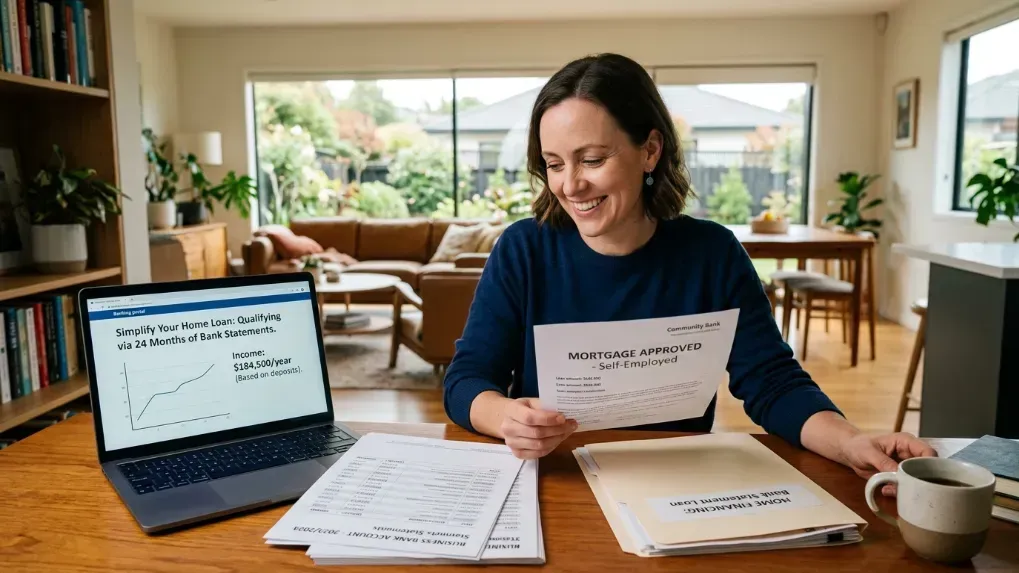
Self-employed borrowers. Business owners, freelancers, consultants, and entrepreneurs whose income is real but whose tax returns do not reflect it due to legitimate deductions. Hard money lenders can qualify these borrowers based on bank statements, asset statements, or the income-producing potential of the property rather than tax returns.
Borrowers with credit challenges. Recent credit events including a foreclosure, bankruptcy, short sale, or period of missed payments do not automatically disqualify a borrower from hard money financing. The asset and the deal quality carry far more weight.
Out-of-state investors targeting San Diego. Investors from higher-cost markets who recognize San Diego's appreciation potential but cannot close quickly enough through conventional channels to compete with local buyers.
Real estate professionals. Agents, brokers, and property managers who advise investor clients and need a reliable hard money lending partner to refer those clients to when conventional financing is not viable.
Developers and builders. Ground up construction and major renovation projects require draw-based financing structures that conventional banks rarely offer with the speed and flexibility that development timelines demand.
Types of Hard Money Loans Available in San Diego
San Diego's hard money lending market offers a range of loan products designed for different investment scenarios. Understanding which product fits your situation is the first step toward getting the right capital structure.
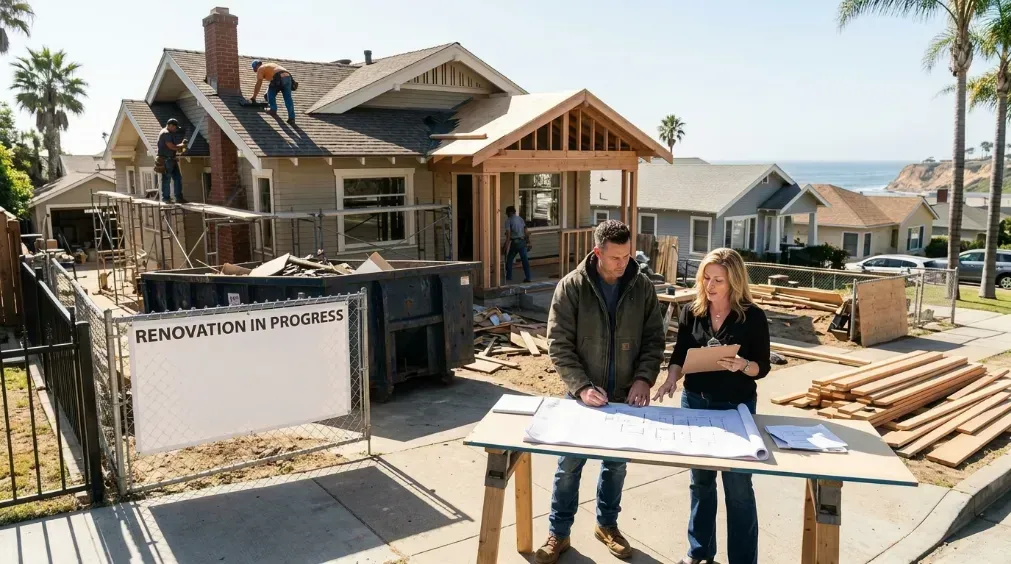
Fix and Flip Loans. Short-term loans designed specifically for properties being purchased, renovated, and resold. Typically structured with an initial acquisition component and a renovation draw schedule that releases funds in stages as work is completed and verified. Terms of 6 to 18 months are standard.
Bridge Loans. Short-term financing that bridges a gap between two transactions. Common uses include purchasing a new property before an existing one sells, bridging between a hard money acquisition loan and permanent conventional financing, and maintaining deal momentum when timing mismatches create a financing gap.
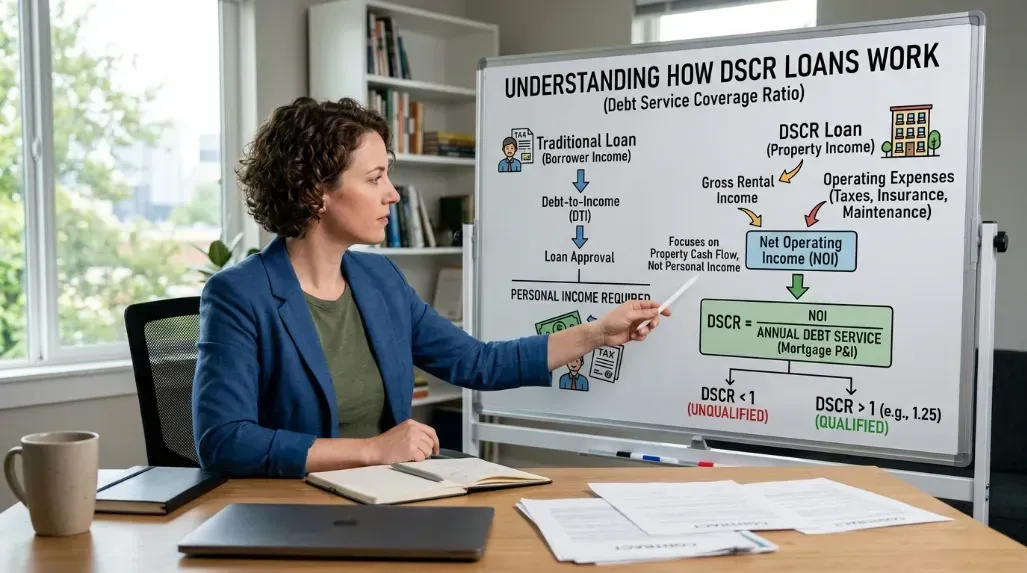
DSCR Loans. Debt Service Coverage Ratio loans qualify borrowers based on the rental income of the property rather than the borrower's personal income. If the property's rental income covers the debt service, the loan qualifies. Ideal for investors building rental portfolios who do not want their personal income scrutinized.
Ground-Up Construction Loans. Financing for new residential or commercial construction projects. Structured with a draw schedule tied to construction milestones. San Diego's housing supply constraints create strong demand for new construction in both urban infill and suburban development contexts.
How to Qualify for a Hard Money Loan in San Diego
Qualification for a hard money loan in San Diego is fundamentally different from qualifying for a conventional mortgage. Here is what lenders actually look at.
The property and its value. The most important factor. The lender will order an appraisal or broker price opinion to confirm the property's current value and, for fix and flip loans, its projected after-repair value. The deal only works if the numbers support the loan amount at the lender's required loan-to-value ratio.
Your exit strategy. Hard money lenders are lending short-term and they need to know how you plan to repay the loan. A clear, credible exit strategy, whether that is selling the renovated property, refinancing into conventional long-term financing, or using proceeds from another transaction, is essential. A vague or unrealistic exit strategy is a deal killer.
Your experience. Most San Diego hard money lenders prefer borrowers with at least some real estate investment experience, particularly for fix and flip and construction loans. A track record of completed projects, even if modest, significantly improves your access and your terms. First-time investors can still qualify but may face lower loan-to-value ratios and higher rates.
Your credit score. While credit score is far less important to a hard money lender than to a conventional bank, most lenders do have minimum thresholds, typically 600 to 650. More important than the score itself is the explanation for any credit events. A foreclosure three years ago with a strong recovery and a solid current deal is usually approvable.
Liquidity and reserves. Lenders want to see that you have sufficient reserves to cover the down payment, closing costs, renovation costs if applicable, and several months of carrying costs. Thin liquidity is a risk factor that affects either your approval or your terms.
How to Choose the Right Hard Money Lender in San Diego
The hard money lending industry in California is regulated but not as tightly as conventional banking, which means the quality and integrity of lenders varies significantly. Choosing the wrong lender can cost you a deal, expose you to predatory terms, or leave you without capital at a critical moment in a transaction.
Look for these qualities in a San Diego hard money lender:
Local market knowledge. A lender who actively operates in San Diego understands neighborhood-level values, local permit timelines, contractor market conditions, and the specific dynamics of San Diego submarkets. Lenders headquartered elsewhere and lending in San Diego remotely often apply generic underwriting that does not reflect local realities.
Transparent fee disclosure. A legitimate lender provides a complete fee schedule upfront, including interest rate, origination points, underwriting fees, appraisal fees, and any other costs before you commit. Lenders who are vague about fees or add charges late in the process are a red flag.
Proof of funding capability. Verify that the lender has actual capital available to close your loan. Ask for evidence of recent closed transactions in San Diego. A lender who brokers loans to other capital sources rather than lending directly introduces delay and uncertainty into your timeline.
Clear loan documents. Review all loan documents carefully before signing. Pay particular attention to prepayment penalties, extension fees and conditions, default provisions, and any terms that could affect your exit strategy. Have a real estate attorney review documents before signing if you are a first-time hard money borrower.
Frequently Asked Questions
What credit score do I need for a hard money loan in San Diego?
Most San Diego hard money lenders have a minimum credit score requirement of 600 to 650. However, the credit score carries far less weight than the property value, deal quality, and exit strategy.
How fast can a hard money loan close in San Diego?
Most standard hard money loans in San Diego close in 7 to 14 days. Loans with clean title, a completed appraisal, and an experienced borrower can close in as few as 5 to 7 days.
What are typical hard money loan rates in San Diego?
Hard money interest rates in San Diego range from 9 to 13 percent annually. Origination points run 1 to 3 percent of the loan amount. The total cost of the loan depends on the term, rate, points, and any additional fees. Always request a complete fee disclosure before committing.
Can I get a hard money loan if I am self-employed in San Diego?
yes. Hard money and alternative lending products including bank statement loans, asset depletion loans, and DSCR loans are specifically designed for self-employed borrowers whose tax returns do not reflect their true income.