Rehab Draws Explained: Planning Contractors, Milestones, and Documentation
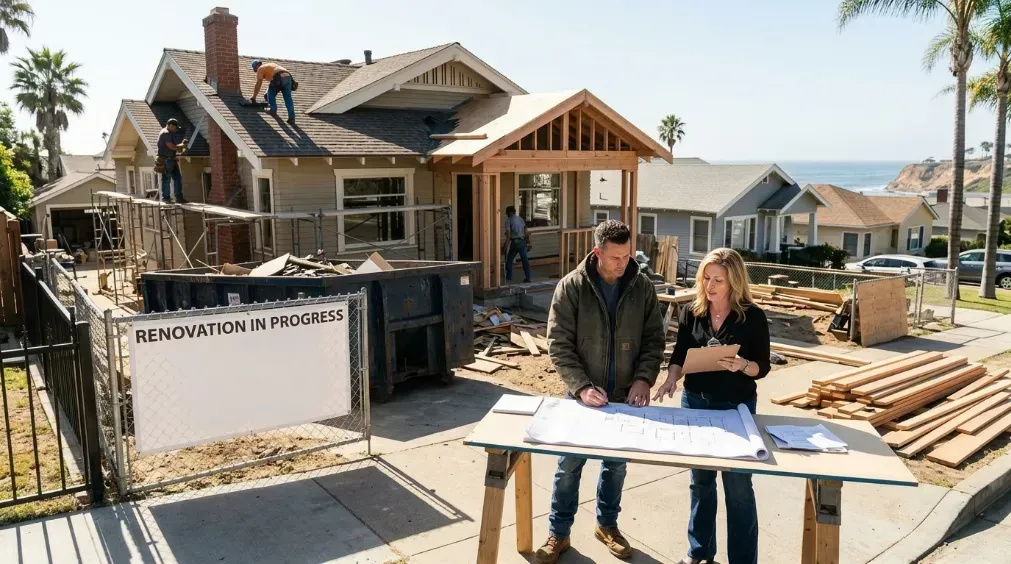
The rehab draw process releases renovation funds in stages after verified progress, not as one lump sum. For San Diego, CA fix-and-flip and rental work, clear contractor plans, milestones, and photos keep draws on schedule. HWH San Diego Hard Money Lender - Real Estate structures renovation financing around documented scopes so investors avoid stalled jobs and cash gaps.
Key takeaways
- Draws fund completed, inspected work—not estimates or deposits alone.
- Milestone schedules should match contractor scopes and San Diego permit timing.
- Photo logs, invoices, and lien waivers speed each release review.
- Align draws with due diligence questions before financing a San Diego investment property so budgets hold.
How do rehab draw schedules work for San Diego fix and flip projects?
Rehab draw schedules for San Diego fix and flip projects split the rehab budget into ordered milestones—demo, rough systems, finishes—so funds release only after on-site or photo verification of completed work, protecting lender and borrower while matching local contractor pacing and inspection windows. Keep scopes tight, list pay apps by trade, and contact the team before closing if your timeline needs a custom draw grid.
Which draw structure fits San Diego fix-and-flip scopes best?
Percentage-based draws, fixed milestone draws, trade-by-trade pay apps, and hybrid grids each release rehab funds only after verified completion; for most San Diego, CA flips, fixed milestones tied to permits and inspections usually beat pure percentages because they match contractor pacing, city sign-offs, and lender photo reviews without stranding cash mid-job.
| Option | Best for | Watch-out |
|---|---|---|
| Fixed milestones | Permit-tied demo, rough, finish stages | Overly broad scopes delay sign-off |
| Percentage complete | Steady interior-only remodels | Disputes on “percent done” photos |
| Trade pay apps | Multiple licensed subs on site | Lien waivers must clear each trade |
| Hybrid grid | Mixed exterior + systems work | Needs tighter schedule discipline |
Keep every line item tied to invoices, dated photos, and conditional lien waivers so the
rehab draw process stays predictable. The
About page method our practitioners use in San Diego emphasizes matching the draw grid to the contractor’s written scope before funding.
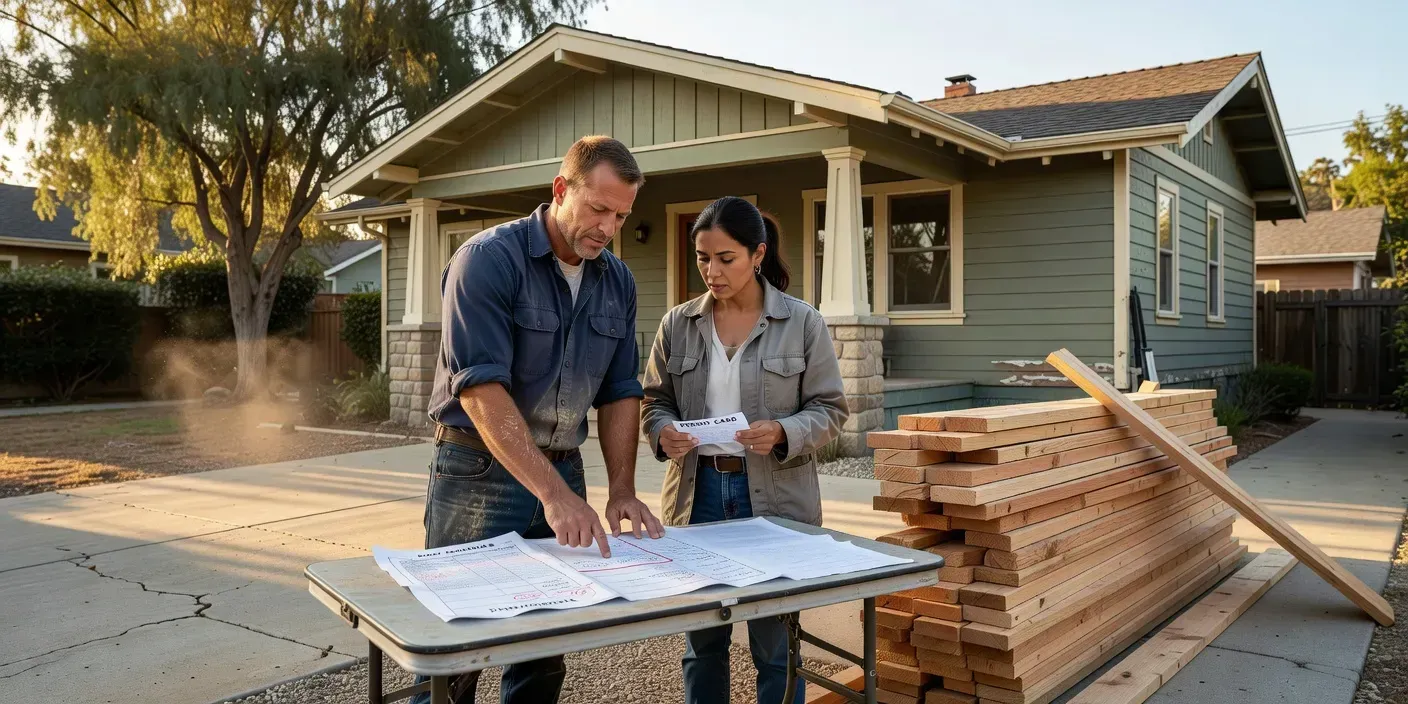
Short paragraphs keep reviews fast. Align the next pay app to the same due-diligence budget checks you already ran, then request the release only when the milestone is truly complete.
Which Documents Keep the Rehab Draw Process Moving in San Diego?
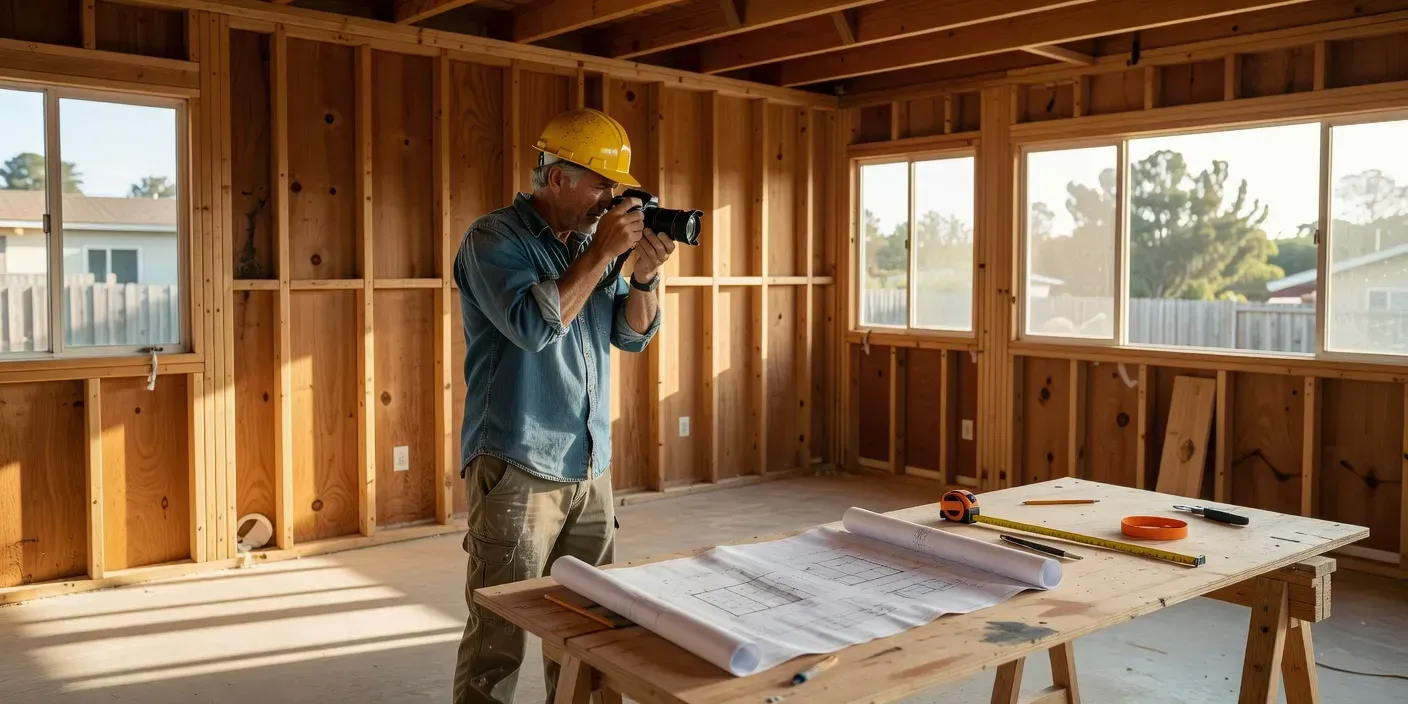
For most San Diego, CA fix and flip projects, the rehab draw process clears fastest when each request pairs a dated invoice, labeled job-site photos, the matching inspection card, and a conditional lien waiver from the payee, because lenders can verify scope, city sign-off, and lien risk in one packet without holding funds for missing paperwork or vague progress claims.
Keep the packet lean. One invoice per milestone. Photos that show the same angles as the prior release. Attach the permit or inspection slip when the city has signed. HWH San Diego Hard Money Lender underwriters review these items against the original scope so renovation financing stays on the grid you funded.
Cross-check numbers against the budget you locked during due diligence questions to resolve before financing a San Diego investment property. That alignment cuts rework when the draw hits the desk.

If a trade finished early, still wait for the scheduled milestone. Early partials slow the next release more than they help cash flow.
When the packet is complete, contact the lending desk to queue the inspection and wire. Clear files keep San Diego draws predictable from demo through final.
How rehab draw schedules work for San Diego fix and flip projects
A rehab draw process releases renovation funds only after verified milestones, so San Diego, CA fix-and-flip cash stays tied to finished work, city sign-off, and clean lien waivers rather than contractor promises. Schedules list trades, dollar caps, and photo standards before the first demo dollar moves. Map each milestone to a single invoice, matching angles from the prior visit, and the inspection tag the city left on site. That packet is what HWH San Diego Hard Money Lender underwriters match to the funded scope on borrower loan options.
| Milestone | Typical proof | Holdback trigger |
|---|---|---|
| Demo / rough-in | Before-after photos, waste ticket | Missing lien waiver |
| Systems | Permit slip, inspector name | Scope creep invoice |
| Finish / final | CO or final sign-off | Incomplete punch list |
The local team method favors one clean file over drip partials so wires stay predictable through Clairemont, North Park, and coastal flips.
Frequently Asked Question
What is the rehab draw process on a San Diego hard money rehab loan?
The rehab draw process releases renovation financing in stages after an inspector confirms completed work against the approved budget. Borrowers submit invoices, matching photos, permits, and lien waivers; funds wire only when the packet matches the milestone schedule locked at closing for the San Diego property.
How do rehab draw schedules work for San Diego fix and flip projects?
Schedules split the rehab budget into ordered milestones—demo, rough mechanicals, finishes, final—each with a dollar cap and proof list. San Diego lenders inspect or review photos before each release so flippers avoid paying unfinished trades and keep renovation financing aligned with actual progress on site.
Which documents speed a renovation financing draw in San Diego, CA?
One milestone invoice, dated progress photos from fixed angles, the city inspection slip or permit card, and a conditional lien waiver from the payee.
Preferred Source on Google Search
Add www.sandiegohardmoneylender.com to customize your search feed across Top Stories.