Ground-Up Construction Financing: Documents to Organize Before You Apply
Securing ground-up construction financing requires a highly organized document package. Lenders need detailed proof of your financial health, project viability, and contractor competence before approving funds. By preparing these materials early, San Diego developers can prevent underwriting delays and keep their building timelines on track.
- Personal financial statements and tax returns are mandatory to prove cash reserves.
- Lenders require a detailed line-item budget separating hard costs, soft costs, and contingencies.
- Your general contractor must supply active licenses, insurance, and a resume of past local projects.
Building a property from the ground up requires substantial capital. Securing that capital requires serious preparation. Lenders need proof that your project is viable. They want to see a clear path to completion. This process starts with organized documentation.
A well-prepared loan application moves quickly. Missing documents lead to frustrating delays. Local investors need a reliable checklist to streamline the approval process.
When working with HWH San Diego Hard Money Lender - Real Estate, you gain a local partner. We specialize in private funding solutions. We understand the local market dynamics. We also know exactly what paperwork is required to get your project funded.

Understanding Construction Loans San Diego Requirements
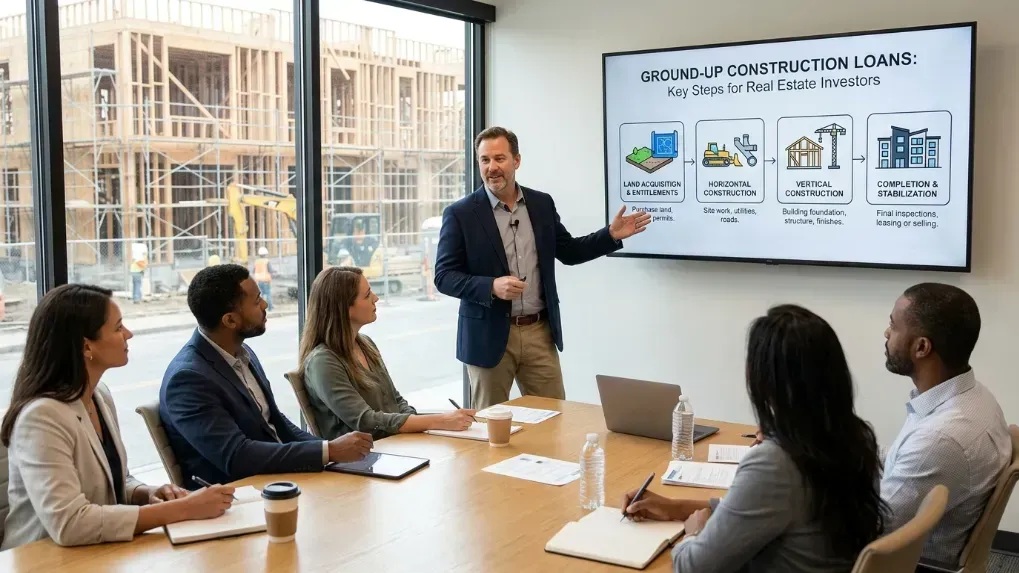
Construction funding works differently than traditional mortgages. The lender takes on more risk. They are lending money on an asset that does not fully exist yet. Because of this risk, lenders look closely at your personal finances and your project plans.
They need to trust the numbers. They also need to trust the people managing the build. This is why the paperwork is extensive. We evaluate ground-up construction loans based on future value. We require an appraisal that estimates the property value after construction is complete.
Before we order that appraisal, we need a complete file. You must gather financial records, architectural plans, and builder credentials. Organizing these files early saves weeks of underwriting time.
Documents Needed for Ground Up Construction Financing in San Diego
A complete loan submission package has several moving parts. We break these down into four main categories. You will need personal financials, property details, project plans, and contractor information.
Borrower Financial Health Records
Your personal financial health is the foundation of the application. Lenders must verify your liquidity. You need enough cash reserves to handle unexpected project delays.
You must prepare a Personal Financial Statement. This document lists your current assets and liabilities. It gives the lender a snapshot of your net worth.
You will also need to provide your last two years of tax returns. These returns show your income stability. Lenders will also ask for two or three months of recent bank statements. These statements prove that you have the cash required for your down payment and interest reserves.
If you apply under a business entity, you must provide corporate documents. Bring your Articles of Incorporation. You will also need your operating agreement and a certificate of good standing.
Land and Property Documentation
The lender needs exact details about the dirt you plan to build on. If you already own the land, provide the settlement statement from your purchase. If you are buying the land right now, provide the fully executed purchase agreement.
Sometimes developers need short-term funding to secure the land quickly. In these cases, you might consider our bridge loans. We can fund the land acquisition while you finalize your building permits. If you need clarity on timelines, read our guide on when a bridge loan fits your transition.
You must also supply a preliminary title report. This ensures there are no hidden liens on the property. A recent property survey is highly recommended. The survey confirms the exact property boundaries.

Project Scope and Budget Submissions
Your vision needs a concrete plan. The project documents show the lender exactly what you intend to build.
You must submit complete architectural blueprints. These plans should be detailed enough for an appraiser to review. The appraiser will use these plans to determine the future value of the property.
You also need to provide proof of local entitlements. Building in coastal regions often requires special approvals. You must show the lender that your project complies with local zoning laws. Provide copies of all approved city permits.
Your line-item budget is the most critical document in this section. The budget must list every single cost associated with the build. Lenders divide this budget into hard costs and soft costs.
Hard costs include raw materials. This covers concrete, lumber, plumbing, and labor. Soft costs cover the administrative side. This includes permit fees, architect fees, and insurance. Your budget must also include a contingency fund. This fund covers emergency cost overruns.
| Document Category | Key Items Included | Lender Purpose | Priority Level |
|---|---|---|---|
| Borrower Financials | Tax returns, bank statements | Verify liquidity and cash reserves | High |
| Project Plans | Blueprints, site plans | Understand the exact build scope | High |
| Contractor Profile | License, insurance, past projects | Ensure builder competence | High |
| Land Entitlements | Permits, zoning approvals | Confirm the project is legal | Critical |
| Line-Item Budget | Hard costs, soft costs, contingency | Assess funding feasibility | Critical |
Builder Financing and Contractor Vetting
Lenders do not just evaluate the borrower. They heavily evaluate the general contractor. If your builder fails, the project fails. This is a massive risk for the lender.
Builder financing relies on the reputation of the construction team. You must submit a complete contractor profile.
Required Contractor Documents
Start by getting a copy of the builder's state contractor license. Check that the license is active and in good standing. You must also provide their proof of insurance. They need general liability insurance and workers compensation coverage.
Lenders want to see a builder's resume. Ask your general contractor for a list of recent projects. The best resumes show local projects of a similar size and scope. If you are building a multi-family complex, your builder needs multi-family experience.
You must also submit the formal construction contract. This document outlines the payment schedule between you and the builder. Lenders use this schedule to plan fund disbursements during the build.
Transitioning from Construction to Permanent Financing
You must plan your exit strategy before you even break ground. How will you pay off the construction loan once the building is finished?
Many developers choose to sell the completed property. In this case, the sale proceeds pay off the loan. Other developers prefer to hold the property as a rental asset.
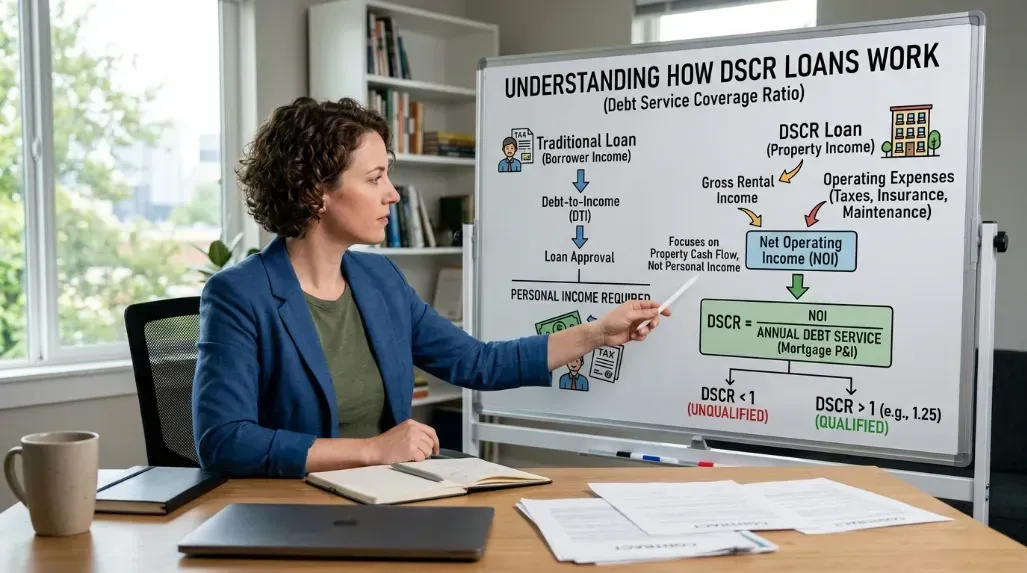
If you plan to rent the property, you will need to refinance. Once construction is complete, you can transition into long-term financing. We offer DSCR loans for finished rental properties. These loans use the monthly rental income to qualify for funding. It is a seamless way to hold onto your newly built asset.

How We Evaluate Your File Locally
Location matters in real estate development. National lenders often do not understand local zoning nuances. They might delay a project because they misunderstand regional permitting timelines.
We are based right here in your market. You can read about our team and our commitment to local investors. We review your documents with a clear understanding of the local landscape.
Our goal is to keep your project moving forward. We review your budgets, check your contractor files, and order local appraisals quickly. If you have questions about specific documents, you can always reach out directly. Visit our contact page to send us a message.
You can also visit our office to discuss your project in person. We are located at 356 Sunswept St, San Diego, CA. If you prefer to talk through your checklist over the phone, call us at 619-983-0898.
Organizing these documents takes effort upfront. It might seem tedious at first. However, a complete file is your best tool for success. It shows the lender that you are a serious professional. It protects your timeline. It ensures your ground-up project gets the funding it deserves without unnecessary delays.
Frequently Asked Questions (FAQ)
What is a contingency fund and why do lenders require it?
A contingency fund is a financial safety net built into your construction budget. It usually represents five to ten percent of total costs. Lenders require this fund to cover unexpected expenses like material price increases or hidden site issues.
Can I act as my own general contractor to save money?
Most lenders require you to hire a licensed general contractor. Lenders view owner-builders as a high risk unless you hold an active contractor license and have a proven history of similar completed projects.
How do lenders release funds during a ground-up build?
Lenders do not give you all the construction money upfront. They use a draw schedule. As your builder completes specific phases of the project, the lender sends an inspector. Once the work is verified, the lender releases the funds for that specific phase.