Is a Hard Money Lender the Right Choice for Your Next Real Estate Investment?
Navigating the competitive San Diego real estate market requires immediate access to capital, making asset-based lending a critical tool for serious investors. By prioritizing property value over personal tax returns, private financing allows house flippers, developers, and self-employed professionals to acquire and renovate properties without standard banking delays. Partnering with a local lending team ensures you have the regional expertise and financial leverage necessary to scale your real estate portfolio aggressively.
* Hard money lenders focus on the asset's After Repair Value (ARV) rather than extensive personal financial documentation.
* Private capital enables investors to close deals in 5 to 10 days, providing a massive competitive advantage over buyers relying on traditional 45-day bank loans.
* Local lending expertise is vital in San Diego for accurate property evaluations and customized short-term leverage strategies.

Real estate investing requires speed and absolute financial precision. When a lucrative property hits the market in a highly competitive area like Southern California, waiting 45 days for bank approval guarantees a missed opportunity. Real estate investors, house flippers, and property developers know that capital must be accessible the exact moment a deal aligns with their investment strategy. Traditional lending environments prioritize extensive personal financial documentation over the actual value of the underlying real estate asset. This structural limitation creates severe bottlenecks for self-employed entrepreneurs and seasoned investors aiming to scale their portfolios quickly.
Private financing bridges this critical gap. Asset-based lending structures provide the agility required to acquire, renovate, and stabilize investment properties without the bureaucratic delays of conventional banking. Deciding whether to partner with a private lender depends entirely on your project scope, investment timeline, and required leverage.
What Defines a High-Quality Hard Money Lender Service?
Not all private financing firms operate with the same level of efficiency or transparency. A premier hard money lender service focuses on the underlying asset rather than the borrower's personal tax returns. This model evaluates the After Repair Value (ARV) and the Loan to Cost (LTC) metrics to determine funding viability.
When you engage a dedicated hard money lender service, you are securing a financial partner tailored specifically for real estate transactions. These institutions specialize in short-term bridge loans, fix-and-flip financing, and ground-up construction capital. Because the loan is secured directly by the property itself, underwriting decisions happen in a fraction of the time required by standard mortgages.
For self-employed business owners with significant assets but irregular W-2 income, this service is essential. The focus remains strictly on the profitability of the project. If the math makes sense and the exit strategy is clear, funding follows rapidly. A reliable lending partner understands local zoning laws, neighborhood appreciation rates, and specific renovation timelines. This local intelligence ensures that your capital partner acts as an asset rather than a hurdle during your acquisition process.
Traditional Financing vs. Asset-Based Private Capital
Comparing standard mortgages to private funding reveals distinctly different tools meant for entirely different phases of real estate investing. Conventional loans offer lower interest rates spread across decades. They are designed for primary residences and turnkey rental properties where immediate renovations are completely unnecessary.
However, traditional banks strictly avoid properties that need significant repairs. If a property lacks a functioning kitchen or has structural issues, a conventional mortgage underwriter will immediately deny the loan application. This creates a massive problem for fix-and-flip investors who specifically target distressed real estate to force appreciation and generate high yields.
Private capital fills this void perfectly. Investors utilize short-term leverage to acquire distressed assets, fund the heavy renovations, and then either sell the property for a profit or refinance into a long-term conventional loan once the property is stabilized.
The following table outlines the distinct operational differences between conventional financing and private real estate lending.
| Financing Feature | Traditional Bank Loan | Asset-Based Hard Money | Primary Advantage |
|---|---|---|---|
| Approval Speed | 30 to 60 days | 5 to 10 days | Rapid acquisition capability |
| Qualification Focus | Debt-to-income and credit | Property value and ARV | Flexible underwriting |
| Property Condition | Must be turnkey ready | Distressed assets allowed | Immediate funding for renovations |
| Repayment Terms | 15 to 30 years | 6 to 24 months | Strategic short-term leverage |
| Documentation | Extensive W2s and tax returns | Corporate entity and scope | Streamlined closing process |
Why San Diego Investors Choose Private Capital
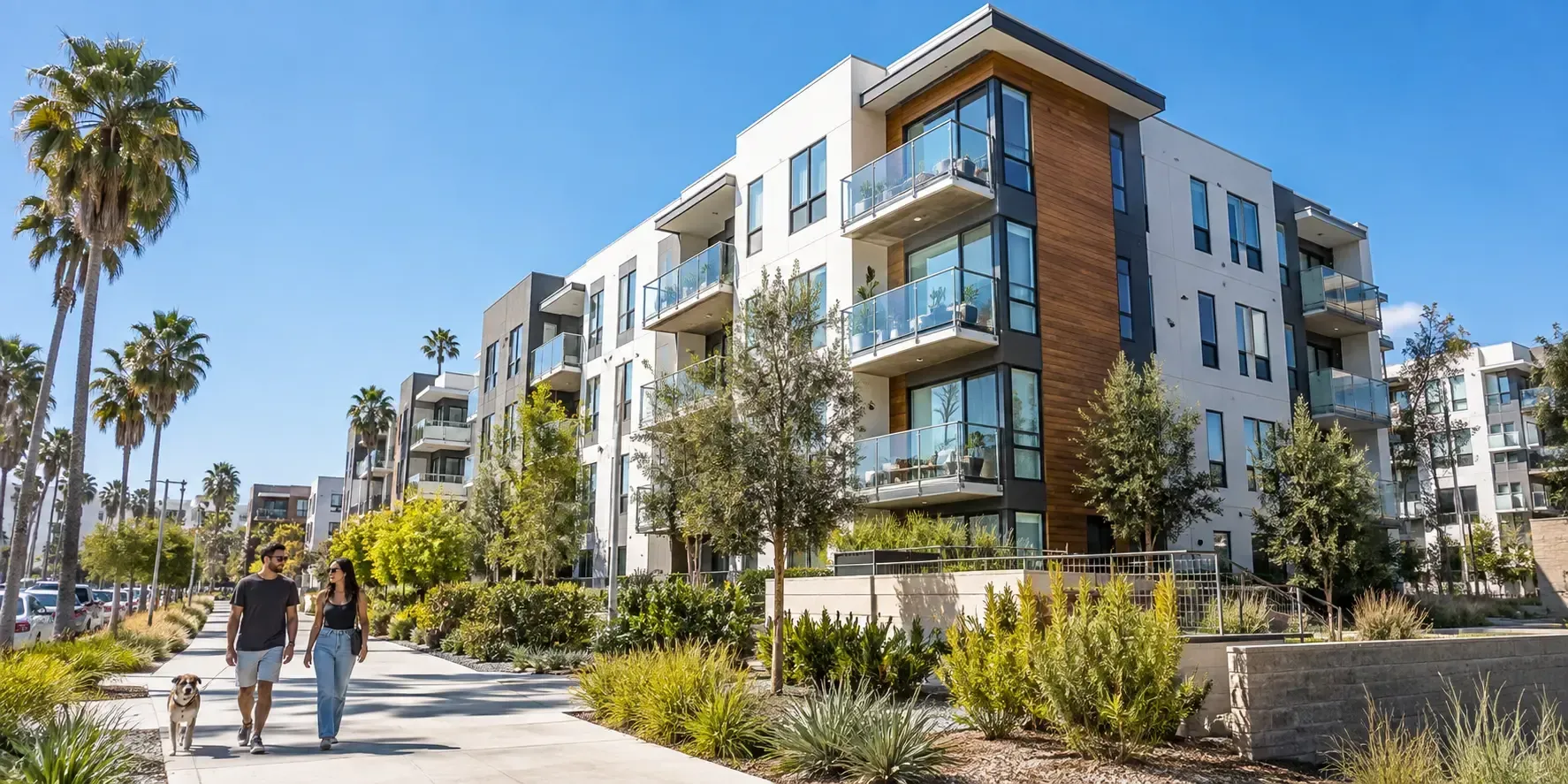
San Diego real estate presents unique challenges alongside exceptional opportunities. The market moves rapidly. Whether you are eyeing a multifamily property in North Park or a single-family fix-and-flip in Pacific Beach, cash buyers and well-capitalized developers constantly saturate the landscape. Staying competitive requires immediate access to liquid capital.
San Diego neighborhoods like Chula Vista, La Mesa, and El Cajon offer massive potential for value-add investors. Finding an under-maintained property in these zip codes requires immediate action. The local market dynamics dictate that multiple cash offers will be on the table within hours of a listing going live. If you rely on a standard 45-day banking process, the seller will simply choose the buyer who can close next week. Private money gives you that exact purchasing power.
Our firm understands this specific regional dynamic. Located right at 356 Sunswept St, San Diego CA 92114, our team operates within the very neighborhoods you are targeting. Local knowledge dictates lending confidence. National banks operating from out of state often fail to understand why a specific block in San Diego commands a premium, which frequently leads to conservative and inadequate property appraisals.
Partnering with a locally grounded firm means your property evaluator understands the true After Repair Value of Southern California real estate. When an investor spots a distressed property, they need a lender who recognizes the neighborhood's potential just as clearly as they do. This localized insight allows for higher leverage and more aggressive funding structures, empowering developers to maximize their returns on investment.
Who Benefits Most from Private Real Estate Financing?
Asset-based lending serves a specific demographic of real estate professionals. While inexperienced buyers might hesitate at the higher interest rates associated with short-term loans, seasoned investors recognize the cost of capital as a simple line item in their overall profit calculation.
House Flippers and Renovators
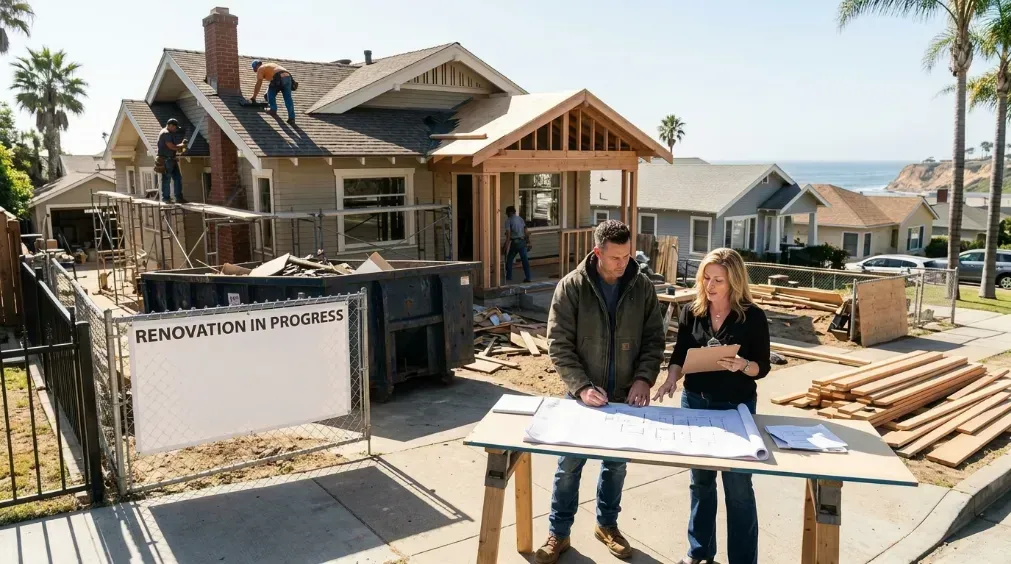
House flippers rely heavily on speed. Securing a property at a steep discount often requires closing the transaction within a week. Private capital provides the acquisition funds and often rolls the renovation costs directly into the loan structure. This allows flippers to preserve their liquid cash for operational expenses and unexpected construction overages.
Small to Medium Property Developers
Ground-up construction requires precise, milestone-based funding. Traditional banks complicate construction draws with heavy bureaucratic red tape. Private lenders offer streamlined draw processes. When the foundation is poured, the next tranche of capital is released immediately. This keeps the construction crew moving and prevents costly project delays.
Self-Employed Real Estate Entrepreneurs
Business owners often have capital tied up in inventory, equipment, or other investments. Their tax returns reflect aggressive deductions, which drastically lowers their taxable income on paper. Standard mortgage underwriters penalize this strategy. Asset-based lenders expect it. By evaluating the profitability of the specific real estate deal rather than personal tax returns, private lenders provide a clear path to funding for self-employed professionals.
Structuring Your Investment Strategy for Maximum Leverage
Leverage is the primary driver of wealth creation in real estate. Using borrowed capital to increase the potential return on an investment allows you to scale your portfolio much faster than relying solely on your own cash reserves.
Instead of sinking your entire $500,000 liquid reserve into a single property purchase, an investor can use that same capital to fund the down payments and holding costs for five separate properties. By utilizing a private lender to finance the majority of the acquisition and renovation costs, the investor drastically multiplies their market exposure and potential profit.
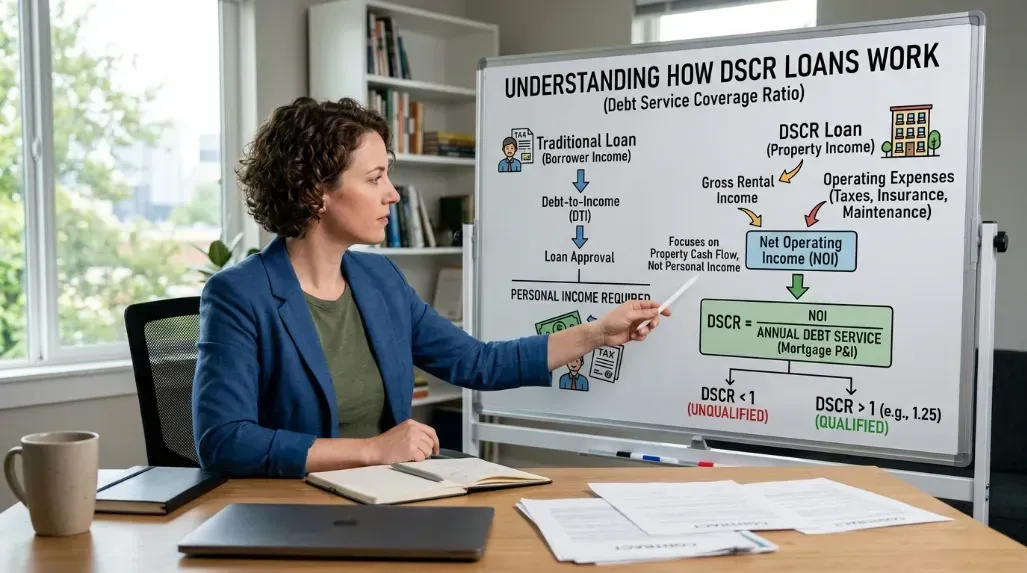
Let us look closer at the BRRRR method. This acronym stands for Buy, Rehab, Rent, Refinance, Repeat. This is a staple strategy for building long-term wealth. An investor buys a distressed San Diego property using short-term private funds. They complete the rehab within four months. Once the property is leased to a tenant, the investor refinances the short-term loan into a long-term Debt Service Coverage Ratio (DSCR) loan.
The DSCR loan uses the monthly rental income to qualify the property, completely bypassing the investor's personal income statements. This seamless transition from short-term bridge capital to long-term stabilized debt is exactly how modern rental portfolios are built today. This strategy requires precise execution. The investor must accurately calculate the renovation budget, the holding costs, and the ultimate exit strategy to ensure the transaction remains highly profitable.
Taking Action on Your Next San Diego Property Deal
Identifying a profitable real estate opportunity is only the first step. Securing the capital to acquire it dictates whether the deal happens at all. Slow financing kills more real estate transactions than any other factor in the industry. By aligning yourself with a reliable private capital source, you position yourself as a cash-equivalent buyer capable of closing on aggressive timelines.
Our team at San Diego Hard Money Lender specializes in funding these precise opportunities. We operate locally out of San Diego, California, ensuring our clients receive fast, transparent, and highly competitive lending terms tailored to the regional market. We strip away the unnecessary bureaucratic layers found in standard banking and focus strictly on making your real estate investment a reality.
To discuss your specific project needs, property metrics, or to submit a loan scenario for review, reach out to our underwriting team today. Visit our Contact Us page to start the conversation and secure the funding your next project requires. You can also reach our San Diego office directly at +1 619 983-0898.
Frequently Asked Questions
What is the typical approval timeline for an asset-based loan?
Approval timelines are remarkably fast compared to standard mortgages. Most private real estate loans can be approved within 24 to 48 hours of submitting the property details and corporate documentation. Funding and closing typically occur within 5 to 10 days, depending on the speed of the title company and the completion of the property appraisal.
Do you lend to first-time real estate investors?
Yes. While seasoned investors benefit from extensive track records, first-time investors with a solid business plan, a strong underlying asset, and adequate down payment capital can easily qualify. The primary underwriting metric is the viability and profitability of the real estate asset itself.
Can renovation costs be included in the loan amount?
Absolutely. Many of our lending programs are designed specifically for fix-and-flip projects or significant value-add renovations. These structures typically provide a percentage of the purchase price upfront and disburse the renovation funds in staged draws as the construction work is completed.