Mastering Fix and Flip Loans in the San Diego Market
Key Insights and Takeaways
Fix and flip loans offer real estate investors the necessary speed and leverage to acquire and rehabilitate distressed properties in competitive markets. By working with a localized private lender, investors can secure funding based on the asset's future value rather than strict personal income metrics.
- Fast closing times allow investors to compete directly with cash buyers.
- Funds are disbursed in draws to protect the renovation budget and keep projects on schedule.
- Refinancing into DSCR loans provides a clear exit strategy for investors looking to hold flipped properties as rentals.
Securing the right property is only the first step in property rehabilitation. Funding the purchase and renovation requires capital that moves as quickly as the local market. Investors turning neglected houses into profitable assets rely heavily on specialized financing. At San Diego Hard Money, we understand that accessing capital without bureaucratic delays determines the success of your investment.
The San Diego market presents a unique landscape for investors. Neighborhoods from North Park to Chula Vista hold older properties ripe for renovation. However, capitalizing on these opportunities demands liquidity. Traditional banks often take 30 to 45 days to close a loan. By the time a conventional lender approves a file, another investor with cash or private financing has already acquired the property.
The Role of Fix and Flip Loans in Real Estate Investment
A fix and flip loan is a short-term financing solution designed specifically for property rehabilitators. These loans cover both the acquisition cost and the renovation budget. Unlike conventional mortgages that evaluate the borrower based primarily on personal income and credit scores, this type of financing focuses heavily on the asset itself. Lenders look at the After Repair Value to determine how much capital to deploy.
Key elements evaluated by private lenders include:
- The purchase price compared to the current market value.
- The detailed scope of work provided by a licensed contractor.
- The projected timeline for completion.
- The localized After Repair Value based on recent neighborhood sales.
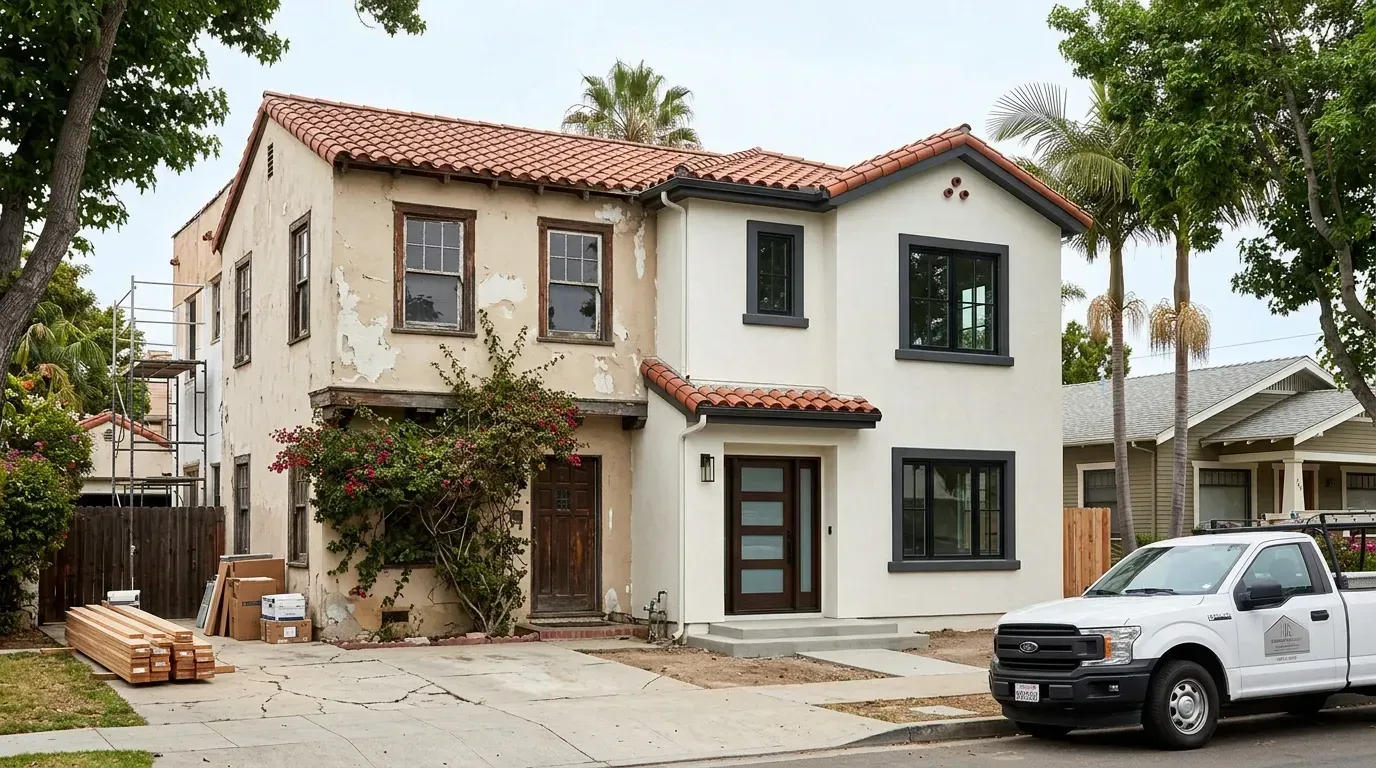
For those seeking to maximize their capital, securing a dedicated fix and flip loan offers a distinct advantage. These funds disburse in draws as renovation milestones are completed. This structure keeps projects on budget and protects both the borrower and the lender.
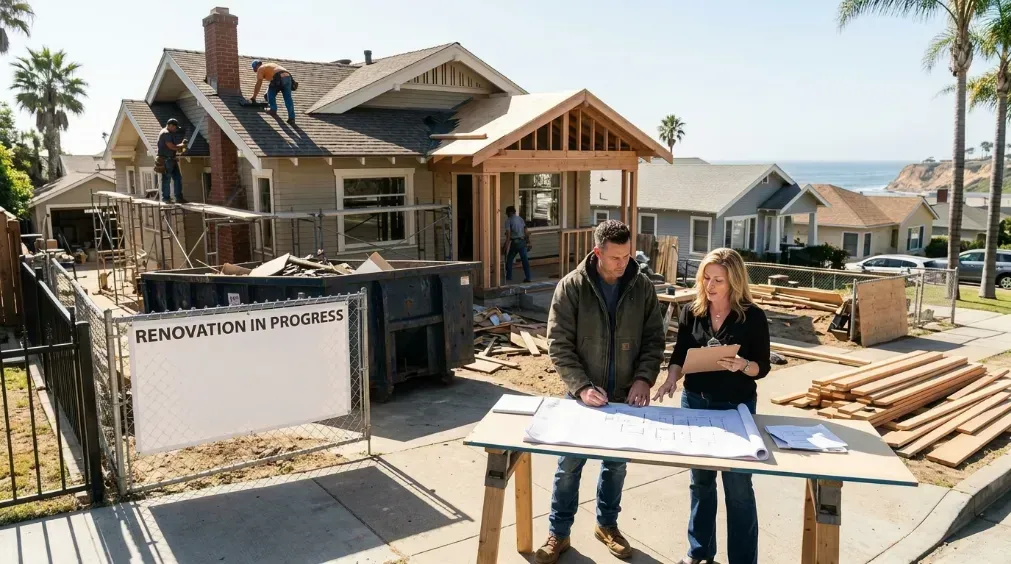
Distressed properties rarely qualify for conventional financing because they lack basic habitability requirements. Short-term private capital bridges this gap, providing the funds necessary to replace a failing roof, update outdated plumbing, or execute a complete structural overhaul. Lenders typically fund a high percentage of the After Repair Value. This high-leverage approach allows the investor to distribute their existing capital across multiple projects simultaneously instead of sinking all available cash into a single home.
Speed and Flexibility in a Competitive Real Estate Market
Time dictates profitability in property flipping. Every month a house sits vacant, holding costs accumulate. Property taxes, insurance, and interest payments eat directly into the final profit margin. Investors need a financial partner capable of closing in days rather than months.
Real estate wholesalers often present off-market deals with a strict requirement to close within ten days. A traditional bank simply cannot accommodate this timeline due to mandatory federal disclosure periods and slow underwriting departments. Private money steps into this void. By operating outside the rigid confines of conventional banking, specialized lenders review the appraisal, the scope of work, and the title report to make swift funding decisions. This agility gives you the purchasing power of a cash buyer.
Many investors evaluate how to structure their financing for optimal returns. Understanding the nuances of private capital is essential for scaling a business. Reading about whether a hard money lender is the right choice for your next real estate investment provides valuable insight into the strategic advantages of non-conventional funding.
Flexibility is another major component of these loans. Local lenders intimately understand neighborhood dynamics. A property in Ocean Beach requires a different renovation strategy than a suburban home in Poway. Working with a lender based in San Diego means collaborating with professionals who recognize the specific value-add potential of local properties. They underwrite the deal based on localized market data.
Expanding Your Investment Strategy Beyond Flipping
While buying and selling properties generates immediate capital, building long-term wealth often involves expanding your strategy. Many investors find a property intended for a quick flip that actually makes an excellent long-term rental. If the local rental market supports strong cash flow, holding the property might yield better long-term returns.
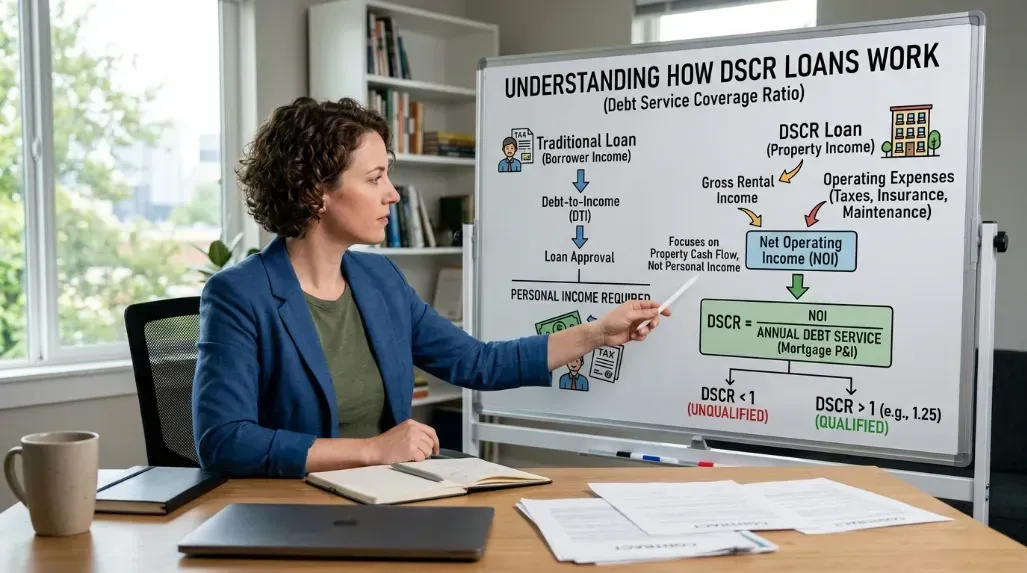
Transitioning from short-term financing into a stabilized loan product is the next logical step in this scenario. Investors utilizing DSCR loans can refinance their flipped properties based on the asset's debt service coverage ratio rather than personal income. This strategy allows for rapid portfolio expansion without the strict debt-to-income limitations imposed by traditional banks.
Other situations present a different challenge altogether. Sometimes an investor acquires a property in San Diego only to realize the existing structure is beyond saving. The most profitable exit strategy might involve tearing down the original house and building something entirely new. When a project transitions from a simple renovation to a major development, ground-up construction loans provide the necessary framework to fund the new build from the foundation to the final landscaping.
Partnering with a Dedicated San Diego Lender
Choosing the right lender dictates the entire tempo of your project. Large national lenders treat borrowers as mere numbers on a spreadsheet. They lack the geographic intelligence necessary to accurately assess a property located in Southern California. Local expertise ensures that appraisals and draw inspections happen promptly.
Navigating permits and local zoning laws in Southern California requires patience and capital. A local lender understands that the City of San Diego might take longer to approve a specific structural change compared to neighboring municipalities. We structure our loans to accommodate the reality of doing business in this specific region. If a project experiences a delay due to supply chain issues or municipal permitting hold-ups, having a lender who understands the local environment prevents unnecessary panic.


Our team focuses exclusively on empowering investors to succeed. We provide transparent terms, rapid underwriting, and consistent communication throughout the lifecycle of your loan. Read about our company to discover how we align our lending practices with your financial goals.
Every successful project begins with a conversation about numbers, timelines, and expectations. Planning your first renovation or scaling a massive portfolio across San Diego County requires reliable capital at every stage. Take the time to contact us directly to discuss your upcoming projects and secure the funding required to transform distressed properties into highly desirable homes.
Frequently Asked Questions
What is the typical loan term for a fix and flip property?
Most fix and flip loans are structured for 6 to 12 months. This duration provides ample time for an investor to acquire the property, complete all necessary renovations, and list the home on the market for a retail buyer.
Do I need perfect credit to qualify for these loans?
No. While lenders do review your financial background, the primary qualifying factor is the profitability of the asset itself. Lenders focus heavily on the After Repair Value and your specific plan for the renovation.
How are the renovation funds distributed during the project?
Renovation funds are held in escrow and released through a draw system. As your contractor completes specific milestones, an inspector verifies the progress, and the lender reimburses you for that phase of the work.