Hard Money vs DSCR Loans: Which Is Better for Rental Property Investors?
Choosing the right financing for rental properties requires aligning your current investment phase with the appropriate loan product. Short-term asset-based loans provide the speed and flexibility needed to acquire and renovate distressed properties, while DSCR loans offer long-term stability based on rental cash flow without requiring personal income verification. Partnering with a specialized local lender ensures you have the precise capital structure required to scale your portfolio successfully.
* Short-term loans are ideal for rapid acquisitions and property renovations based on future value.
* Long-term rental loans focus entirely on property cash flow, bypassing personal tax returns and W-2s.
* Strategic investors frequently combine both loan types to execute the BRRRR method and maximize portfolio growth.

Real estate investing requires consistent access to capital. Traditional bank loans demand extensive personal income documentation, perfect credit scores, and weeks of underwriting. These conventional requirements often create bottlenecks for serious property investors. Experienced real estate entrepreneurs and emerging developers frequently turn to alternative financing methods to acquire assets and stabilize properties. Two of the most prominent financing options in the real estate sector are hard money loans and Debt Service Coverage Ratio (DSCR) loans.
Choosing the appropriate loan type directly impacts the speed of your acquisition, your cost of capital, and your long-term return on investment. Whether you are building a new rental portfolio or scaling a commercial operation, understanding the precise mechanics of these two financial instruments is essential for success.
Understanding the Mechanics of Hard Money Financing
Hard money loans are short-term, asset-based lending solutions designed specifically for real estate investors. Unlike conventional mortgages that rely heavily on the borrower's personal credit score, W-2 income, and debt-to-income ratio, asset-based lenders focus primarily on the value of the underlying property. This specific underwriting approach allows for incredibly fast approvals and funding. Investors can often secure the capital they need in a matter of days. This accelerated speed is absolutely critical when competing for distressed properties, bidding at foreclosure auctions, or closing on time-sensitive off-market deals
.
The typical duration of this type of short-term financing ranges from six to twenty-four months. Interest rates are generally higher than conventional bank loans. This higher rate reflects the increased risk taken by the lender and the expedited timeline of the transaction. Borrowers typically pay origination points upfront and make interest-only payments throughout the term of the loan.
Experienced real estate developers and fix-and-flip professionals gladly accept these terms because the capital provides the necessary leverage to acquire and rehabilitate a property quickly. The lender calculates the loan amount based on the After Repair Value (ARV) of the property. For example, if a distressed home costs $400,000 to purchase and requires $100,000 in renovations, a lender might fund up to 70 percent of the property's estimated future value of $750,000. Once the renovations are complete and the property appreciates in value, the investor executes their exit strategy. They either sell the newly renovated asset for a lump-sum profit or refinance the debt into a long-term commercial loan.
The Fundamentals of DSCR Loans
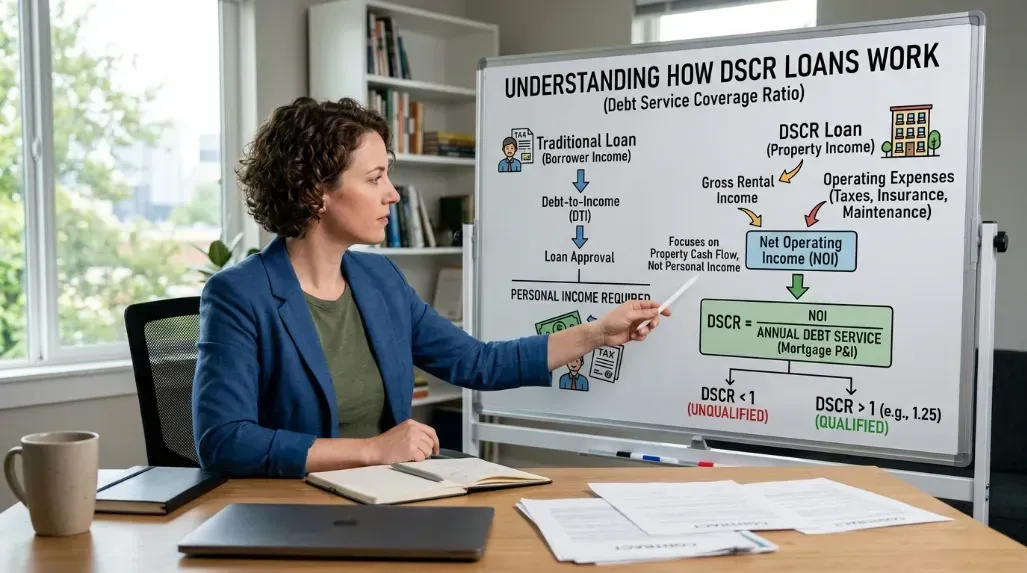
A Debt Service Coverage Ratio (DSCR) loan operates on an entirely different financial premise. Instead of scrutinizing the borrower's personal tax returns and employment history, the lender evaluates the investment property as an independent business. The primary metric for approval is the property's ability to generate sufficient rental income to cover its own debt obligations.
The mathematical formula used by lenders is straightforward. The underwriter divides the net operating income of the property by the total debt service, which includes the principal, interest, taxes, insurance, and homeowners association fees. A ratio exactly at 1.0 indicates that the property generates precisely enough income to pay the monthly mortgage. Commercial lenders generally require a ratio of 1.20 or higher to provide a comfortable margin of safety against unexpected vacancies or maintenance costs. If a property generates $6,000 in monthly rent and the total mortgage obligation is $4,000, the ratio is 1.5, which easily qualifies for the loan.
These loans are long-term financial products. They are typically structured as thirty-year fixed mortgages or adjustable-rate mortgages with an initial fixed period. They serve as the ideal product for buy-and-hold investors who want to lock in long-term financing without providing complex personal financial documentation. This structure makes them highly attractive to self-employed entrepreneurs, business owners, and investors with large portfolios who might struggle to qualify for conventional financing due to complex tax deductions and write-offs.
Leveraging Hard Money Lender Services for Portfolio Growth
Real estate investment strategies rarely force a strict choice between short-term and long-term financing. Highly successful investors routinely utilize a combination of both products to scale their operations efficiently. A common and highly effective strategy in the rental property sector is the Buy, Rehab, Rent, Refinance, Repeat (BRRRR) method. This specific strategy relies heavily on integrating professional hard money lender services with long-term debt products.
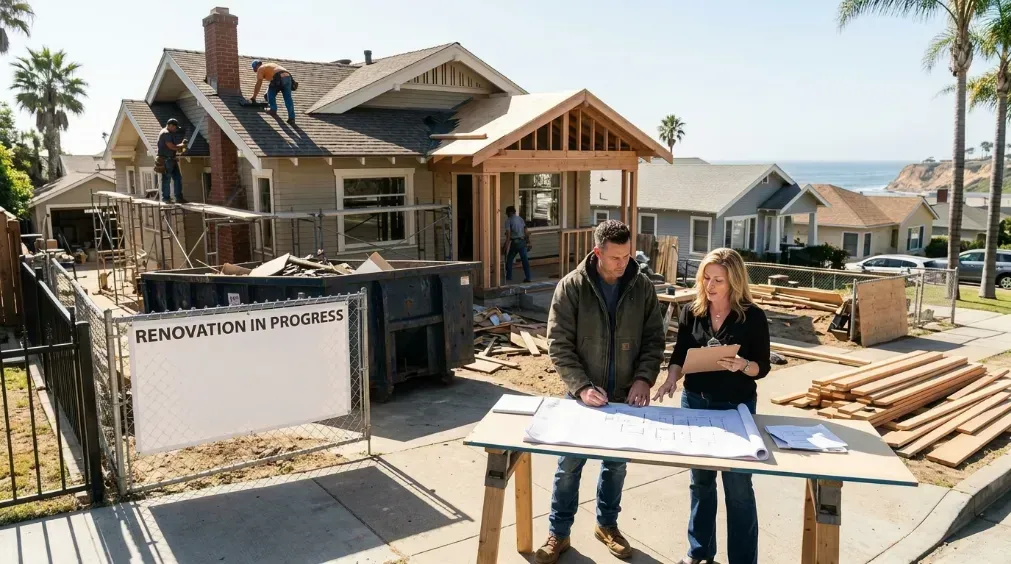
An investor begins the process by securing a short-term asset-based loan to purchase a distressed property. Traditional banks strictly refuse to finance properties with missing plumbing, damaged roofs, or structural issues. Short-term private capital bridges this gap. The investor uses the initial funds to acquire the asset and draw down construction reserves to complete the necessary repairs.
After the rehabilitation phase concludes, the property is fully functional and legally habitable. The investor then places qualified tenants into the property. Once a signed lease is in place, the property transforms into an income-producing asset. At this exact stage, the investor applies for a DSCR loan. The newly stabilized property now easily qualifies for long-term financing based on its documented rental cash flow. The long-term loan pays off the initial short-term debt, and the investor retains the property for long-term wealth generation and monthly passive income. Understanding exactly how to sequence these financial tools allows investors to maximize their purchasing power while minimizing their out-of-pocket capital requirements.
| Loan Feature | Hard Money Financing | DSCR Financing | Strategic Purpose |
|---|---|---|---|
| Typical Term Length | 6 to 24 months | 15 to 30 years | Immediate acquisition vs. long-term holding. |
| Underwriting Focus | Asset Condition and After Repair Value | Monthly Rental Cash Flow | Assessing potential value vs. current stability. |
| Speed of Funding | 5 to 15 days | 30 to 45 days | Urgent closings vs. standard acquisition timelines. |
| Income Verification | Minimal to none | Property rent roll and lease agreements | Funding distressed properties vs. stabilized assets. |
Making the Right Choice for Your San Diego Investments
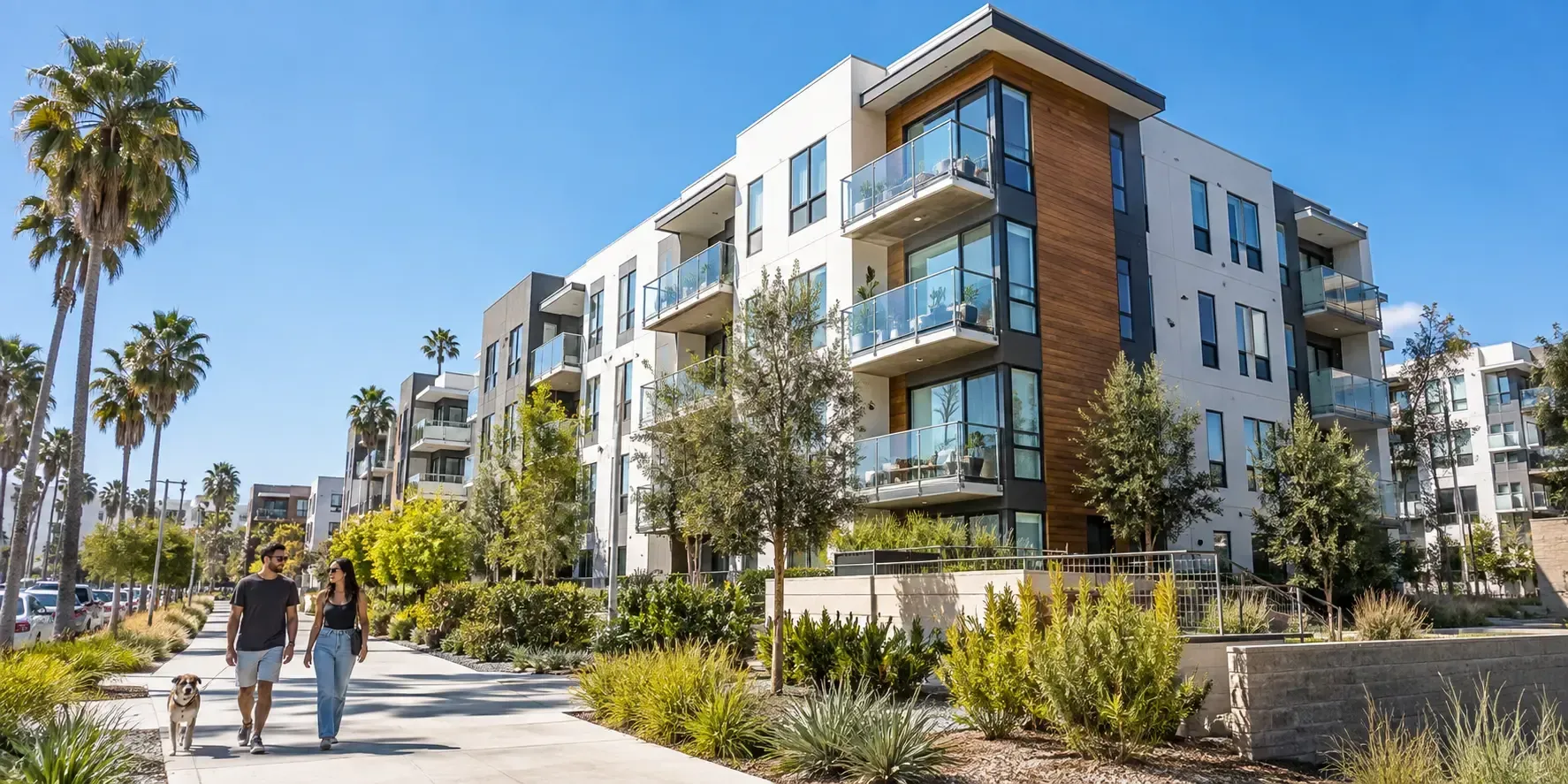
The real estate market in San Diego, California, presents unique opportunities and specific geographic challenges. High property values, strict coastal zoning regulations, and intense buyer competition dictate that investors must act decisively. When a viable investment property hits the market in a desirable neighborhood, waiting forty-five days for a traditional bank approval often results in a lost opportunity to a cash buyer.
Partnering with a specialized local entity provides a distinct competitive advantage. A local lending institution deeply understands the specific nuances of the San Diego market. This includes tracking inland property demand, analyzing coastal vacation rental income potential, and understanding the latest regulations regarding Accessory Dwelling Unit (ADU) construction. For developers working on multifamily acquisitions in the heart of the city, having immediate access to rapid capital makes the difference between securing a lucrative asset and missing out entirely.
Choosing between the two primary loan types depends entirely on the current physical condition of the property and your definitive exit strategy. If the San Diego property requires extensive structural repairs, foundation work, or cosmetic upgrades to make it competitive in the rental market, short-term asset-based financing is the only viable option. Conversely, if you are purchasing a fully stabilized duplex with existing long-term tenants in place, a DSCR loan offers financial stability and lower interest rates over an extended timeline.
Real estate investors in the 25 to 40 age demographic often begin their wealth-building journey by flipping houses to generate active capital. As their portfolios mature and they transition into the 35 to 60 age bracket, the focus generally shifts toward holding stabilized assets for reliable passive income. Aligning the correct loan product with the specific phase of your investment lifecycle is the hallmark of a sophisticated and profitable real estate professional.
Partnering with San Diego Hard Money Lender
Working with a highly specialized financing partner streamlines the entire property acquisition process. Local expertise combined with rapid capital deployment allows investors to scale with confidence. San Diego Hard Money Lender provides customized lending solutions designed specifically for ambitious real estate entrepreneurs.
Located directly at 356 Sunswept St, San Diego CA 92114, our dedicated team supplies the rapid capital necessary to secure high-value properties in Southern California's most competitive markets. We meticulously evaluate the asset, provide clear lending terms without hidden fees, and fund your projects with the aggressive speed required by serious investors. Contact our office directly at +1 619 983-0898 to discuss your current project pipeline, explore our diverse lending programs, and structure the ideal financing package that aligns precisely with your long-term real estate goals.
Frequently Asked Questions
Can I use a short term asset based loan if I have a low personal credit score?
Yes. Short-term private capital is approved primarily based on the value and equity of the real estate asset rather than the borrower's personal credit history. While a severely low credit score might slightly impact the interest rate or leverage limits, the viability of the real estate deal remains the central focus of the underwriting process.
Do DSCR loans require me to submit my personal tax returns to the lender?
No. One of the primary benefits of this specific loan structure is that it bypasses personal income verification. Lenders do not require personal tax returns, W-2 forms, or pay stubs. The approval process relies strictly on the property's ability to generate enough rental cash flow to cover the proposed monthly mortgage payment.
Is it possible to refinance directly from a hard money loan into a DSCR loan?
Yes. This transition is a standard procedure for rental property investors using the BRRRR method. Once you purchase and fully renovate a distressed property using short-term capital, you place a tenant in the building to generate income. You then use a long-term debt service loan to pay off the short-term lender, securing a lower interest rate for the next thirty years.