How Investors Use Hard Money Loans to Turn Profits Faster in San Diego
Real estate investors in San Diego leverage private financing to secure distressed assets, fund renovations, and accelerate project timelines in a highly competitive market. By bypassing the sluggish approval processes of conventional banks, developers and flippers can maximize their capital efficiency and grow their portfolios rapidly. Professional asset-based lending provides the essential speed and flexibility required to execute profitable real estate strategies.
* Key Takeaway 1: Asset-based financing prioritizes property value and potential cash flow over personal debt-to-income ratios.
* Key Takeaway 2: Rapid closing timelines allow investors to compete effectively with all-cash buyers in the California market.
* Key Takeaway 3: Funding solutions cover both acquisition and construction costs to preserve investor liquidity.
Accelerating Real Estate Profits: Strategies for San Diego Investors
Real estate investment in Southern California requires both substantial capital and precise timing. When a highly desirable distressed property hits the market in neighborhoods like North Park or a multi-family unit becomes available in Chula Vista, waiting forty-five days for a traditional mortgage approval practically guarantees a lost opportunity. Investors who consistently scale their portfolios understand that capital velocity dictates their overall rate of return. By utilizing specialized financing mechanisms, active property developers and house flippers bypass the sluggish underwriting processes of conventional banking institutions.
This approach shifts the focus away from personal income verification and places it entirely on the profitability of the asset itself. Experienced homeowners building wealth, entrepreneurs scaling investment portfolios, and seasoned fix-and-flip professionals rely on this methodology to acquire, renovate, and sell properties efficiently.
Maximizing Returns with Professional Hard Money Lender Services
Acquiring the right financing is just as critical as sourcing the right property. Traditional banks scrutinize personal tax returns, debt-to-income ratios, and W-2 statements. This creates significant bottlenecks for self-employed professionals or entrepreneurs who reinvest their profits back into their businesses. Conventional lenders also maintain strict guidelines regarding property conditions. If a property lacks a functioning kitchen or has roof damage, a standard bank will typically deny the loan application entirely.
Professional hard money lender services solve these specific problems by prioritizing the After Repair Value (ARV) of the asset. These specialized financial products provide the leverage required to purchase distressed properties and cover the associated renovation costs. By securing funds based on the projected value of the completed project, investors can keep their personal liquid capital free for other ventures.
The flexibility inherent in this type of lending allows developers to structure their debt in a way that matches their project timelines. Whether a house flipper needs a six-month bridge loan to complete cosmetic updates or a multifamily developer requires an eighteen-month term for ground-up construction, asset-based financing provides customized solutions. This targeted approach prevents investors from paying unnecessary interest over long periods when their primary goal is a rapid exit or a quick transition into a long-term commercial mortgage.
Navigating the San Diego California Real Estate Landscape
The San Diego real estate market presents a unique set of challenges and lucrative opportunities. High demand, limited inventory, and stringent local zoning regulations make competition fierce among buyers. Investors must move with extreme speed to secure viable deals. Cash buyers frequently dominate the market, leaving traditionally financed buyers at a massive disadvantage.
Working with a local financial partner provides a distinct edge. National lenders often rely on automated valuation models that fail to capture the nuanced differences between a property in La Jolla and one in El Cajon. A local institution understands neighborhood-specific metrics, permitting timelines, and accurate comparable sales. This localized intelligence translates directly into faster loan approvals and more accurate underwriting.
San Diego Hard Money Lender specifically caters to the demands of this regional market. Operating out of 356 Sunswept St, San Diego CA 92114, the team understands the micro-economies driving property values across the county. This local presence ensures that property appraisals are conducted swiftly and that renovation draw requests are processed without unnecessary delays. When construction phases are completed, developers need their next round of funds immediately to keep contractors moving. Local oversight guarantees that site inspections happen promptly, keeping the entire project on schedule.
How Real Estate Investors Turn Profits Faster
Successful property investors utilize short-term leverage to execute very specific business models. Each model requires a distinct approach to capital management to maximize the internal rate of return.
Securing Fix-and-Flip Properties
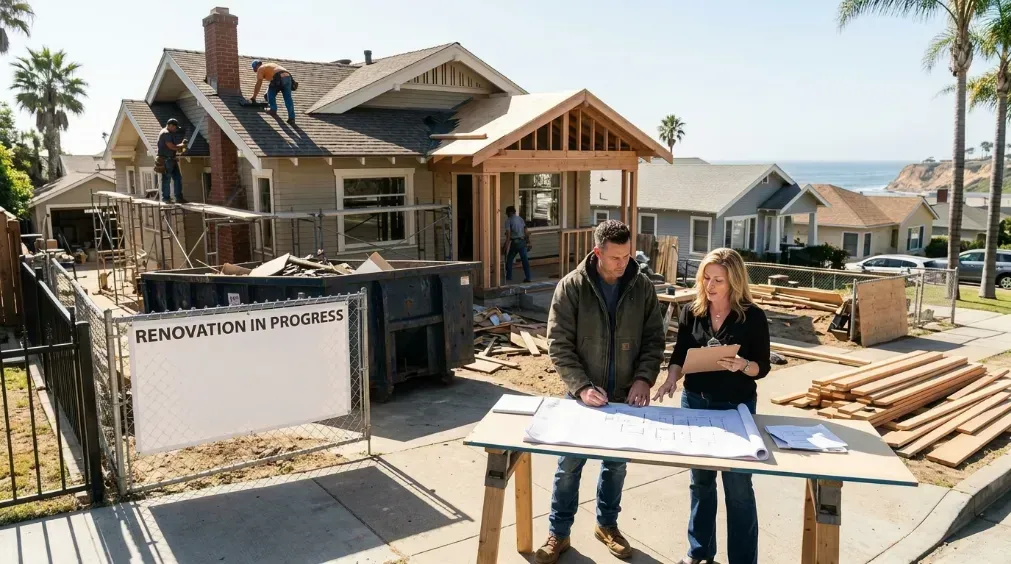
The classic fix-and-flip strategy relies entirely on speed. The longer a property sits in the renovation phase, the more interest, taxes, and insurance costs eat into the final profit margin. Investors use asset-based loans to cover up to ninety percent of the purchase price and one hundred percent of the renovation costs. By closing the acquisition in less than ten days, the investor takes immediate possession. The project can be completed, listed, and sold before a conventional bank would have even finalized an initial mortgage application.
Ground-Up Construction and Development
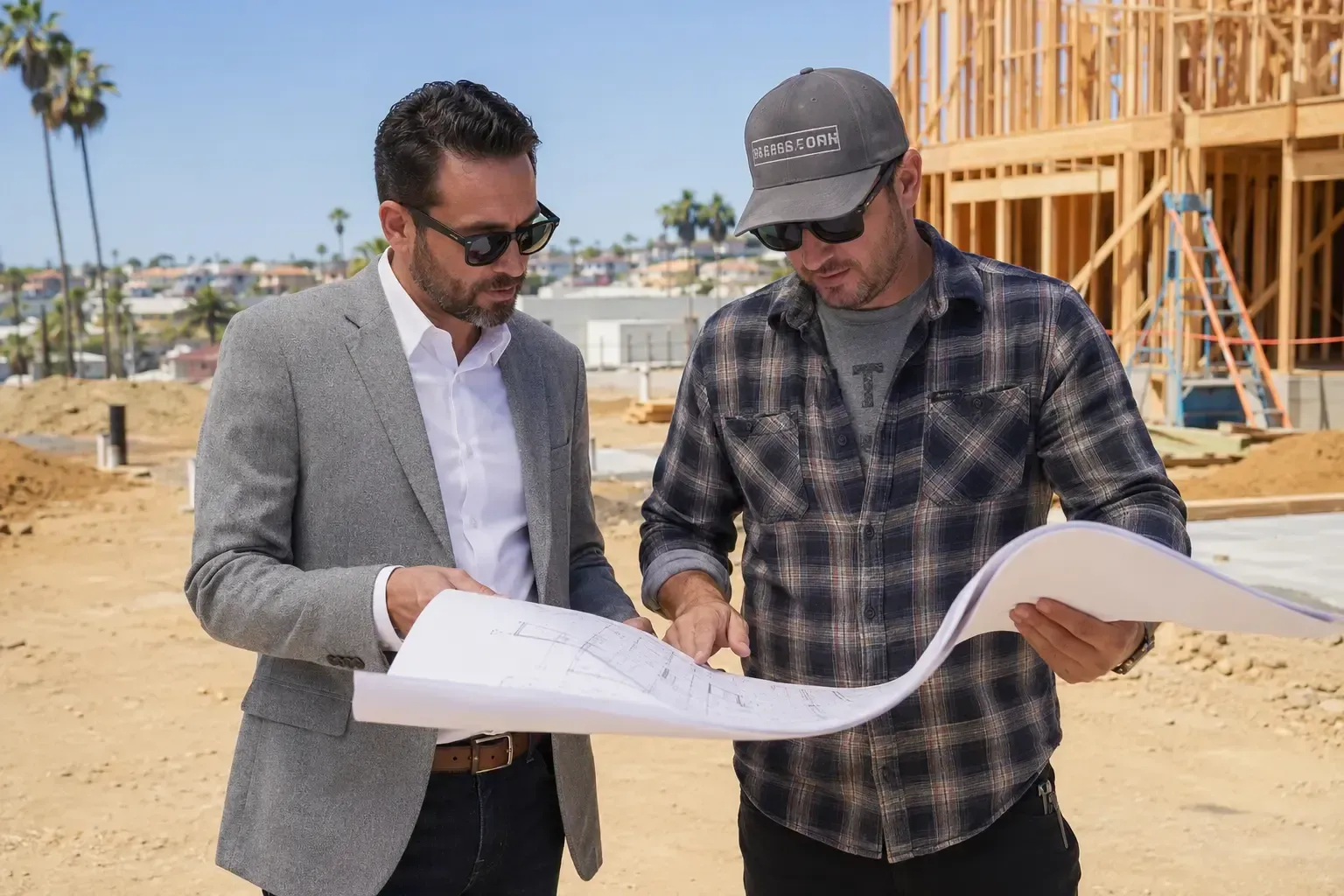
Building new residential or commercial structures in San Diego requires substantial upfront capital. Developers face costs associated with land acquisition, architectural plans, city permitting, and material procurement. Specialized private financing provides phased funding that matches the construction schedule. As the foundation is poured, framing goes up, and drywall is installed, the lender releases funds in corresponding tranches. This structured release of capital ensures the project remains fully funded at every critical milestone without requiring the developer to front the entire cost out of pocket.
Scaling Rental Portfolios with DSCR Loans
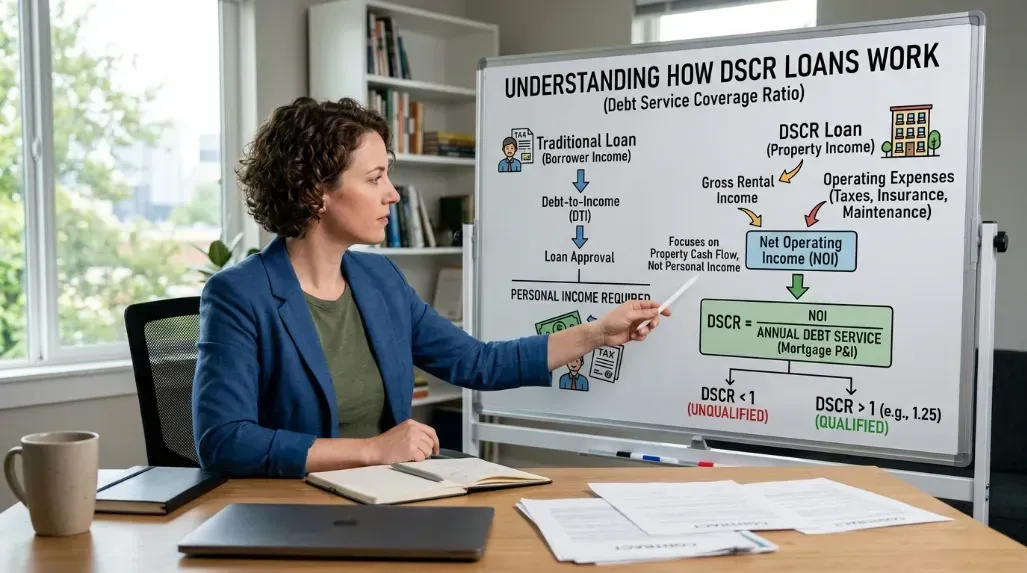
Many investors transition from short-term flipping to long-term wealth building by acquiring rental properties. Debt Service Coverage Ratio (DSCR) loans are instrumental in this phase. Instead of looking at the investor's personal income, lenders evaluate whether the monthly rental income of the property will cover the monthly debt obligations. If the property generates sufficient cash flow, the loan is approved. This allows ambitious investors to acquire multiple multi-family units simultaneously without hitting the restrictive debt-to-income ceilings imposed by traditional residential mortgage lenders.
Traditional Bank Financing vs. Asset-Based Lending
Understanding the fundamental differences between conventional banking and private investment financing is essential for any real estate professional. The strategic choice between these two options dictates how quickly an investor can scale their operations.
| Feature | Conventional Mortgage | Private Asset-Based Loan | Primary Investor Benefit |
|---|---|---|---|
| Approval Timeline | 30 to 60 days | 5 to 10 days | Acquire properties before competitors can secure financing. |
| Underwriting Focus | Personal DTI and W2 income | Property ARV and cash flow | Empowers self-employed and portfolio investors. |
| Property Condition | Must be strictly turnkey | Distressed properties accepted | Allows acquisition of undervalued assets for renovation. |
| Capital Access | Purchase price only | Purchase plus renovation costs | Preserves personal liquid capital for future deals. |
| Loan Duration | 15 to 30 years | 6 to 24 months | Aligns debt structure perfectly with short-term project goals. |
The data above illustrates exactly why speed-focused entrepreneurs opt for private financing. The slightly higher interest rates associated with short-term loans are easily offset by the ability to secure a property at a steep discount. In real estate development, the cost of missing out on a lucrative deal far exceeds the marginal difference in borrowing costs over a six-month period.
Structuring Your Next Investment for Success
Executing a profitable real estate transaction requires careful planning and a reliable team. Before making an offer on a distressed asset, investors should have their capital sources fully vetted and ready to deploy. Having a preliminary term sheet from a trusted lender allows buyers to submit offers with the same confidence as a cash buyer.
Sellers and real estate agents heavily favor offers that feature short contingencies and rapid closing timelines. By partnering with a dedicated lending institution that understands the local market, investors can confidently waive financing contingencies that typically weaken offers. This aggressive purchasing strategy is how top-tier flippers secure the best inventory in highly sought-after California neighborhoods.
Whether you are planning your first cosmetic remodel, preparing to build a ground-up multifamily complex, or looking to cash out equity from an existing rental portfolio, securing the right capital is your primary objective. Take the time to outline your project scope, estimate your renovation costs, and determine your target exit strategy. Once these metrics are established, you can secure the leverage needed to execute the plan. To discuss the specific financial mechanics of your next project, reach out directly to our team. You can easily contact our local underwriting team to receive a customized funding scenario tailored to your property.
Frequently Asked Questions
What is the typical closing time for an investment property loan in San Diego?
Private asset-based loans can typically close within five to ten business days. Because the underwriting process focuses primarily on the value of the real estate rather than a mountain of personal financial paperwork, the required due diligence is completed rapidly. This accelerated timeline is a major advantage in competitive bidding scenarios.
Do I need perfect credit to qualify for asset-based lending?
No. While credit history is reviewed as part of the overall risk assessment, it is not the deciding factor. Lenders are much more concerned with the loan-to-value ratio, the equity in the project, and the experience level of the investor. Self-employed borrowers with complex tax returns or less-than-perfect credit can easily secure funding if the real estate asset is highly profitable.
Can these loans fund both property acquisition and construction costs?
Yes. Many investors utilize these financial products to cover up to ninety percent of the property purchase price and one hundred percent of the required renovation budget. The funds designated for construction are held in a reserve account and released in standard draws as specific phases of the building process are completed and verified by site inspectors.