Ground-Up Construction Loans Explained for Real Estate Investors
Key Insights and Takeaways
Ground-up construction loans provide real estate investors with the flexible, short-term capital needed to build properties from scratch. By utilizing structured draw schedules, developers only pay interest on the funds they actively use during the building phases. Securing the right financial partner ensures your project moves efficiently from raw land to a profitable asset.
- Ground-up loans cover both the acquisition of raw land and all building costs.
- Funds are disbursed in phases through a structured draw schedule following site inspections.
- Private lenders focus on the future appraised value of the property and the developer's experience.

Building a new property requires significant capital and precise timing. Traditional banks often move too slowly for active developers. You need funding that matches the pace of your project. This detailed overview breaks down how specialized financing helps you build from scratch. Working with an experienced partner like HWH San Diego Hard Money Lender - Real Estate ensures you have the right capital structure for your next development.
What Are Ground-Up Construction Loans?
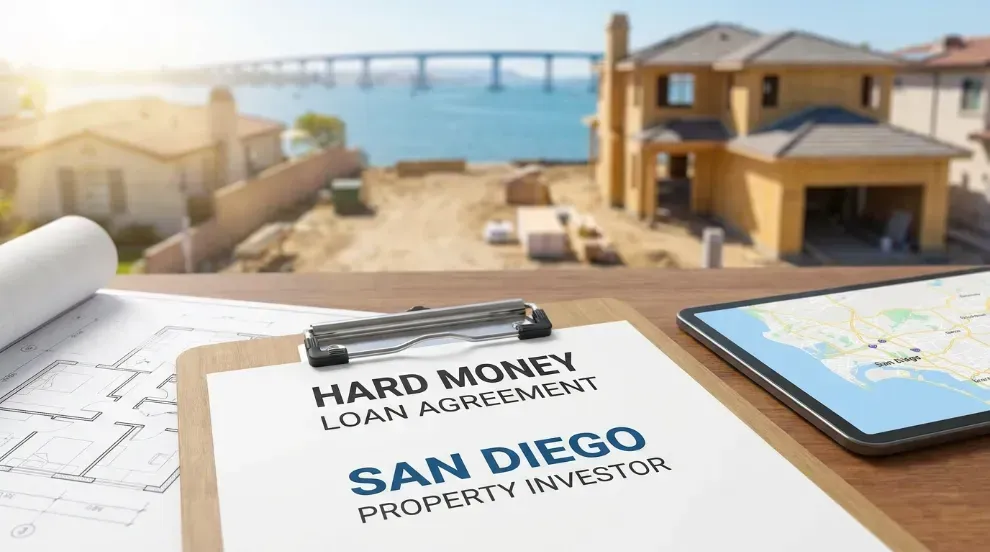
A ground-up construction loan is a specialized form of short-term financing. Investors use these funds to purchase raw land and cover the costs of building a new structure. Unlike loans for existing buildings, these funds cover the entire lifecycle of a new build. Lenders disburse the money in phases as the project progresses.
This financial product is tailored for real estate developers who need flexible capital. Whether you plan to sell the property upon completion or keep it as a rental, these loans provide the necessary liquidity. If you are starting a project entirely from scratch, ground-up construction loans provide a clear path from empty lot to finished property.
How These Differ From Traditional Mortgages
Traditional mortgages fund a completed asset. The bank assesses the current value of an existing home and hands over a lump sum. Construction financing works differently. The lender bases the loan amount on the future value of the completed project. This metric is known as the After Repair Value or the completed appraised value.
Furthermore, you only pay interest on the funds you actually use. As you complete phases of your build, you draw more funds and your interest payments adjust accordingly.
The Mechanics of New Construction Financing
Understanding the structure of these loans prevents delays. Private lenders focus heavily on the viability of the project and the experience of the builder.
Understanding the Draw Schedule
The draw schedule is the heartbeat of your construction loan. Lenders do not give you the entire loan amount upfront. Instead, they release funds in specific installments called draws.
- Foundation Phase: Funds are released after pouring the foundation.
- Framing Phase: You request the next draw once the structure is framed.
- Rough-In Phase: Funds cover plumbing, electrical, and HVAC installation.
- Finishing Phase: The final draws cover drywall, paint, and fixtures.
Before approving a draw, the lender sends an inspector to the site. The inspector verifies that the scheduled work is complete. Once verified, the lender wires the funds. This process protects the lender and helps keep your construction crew accountable.
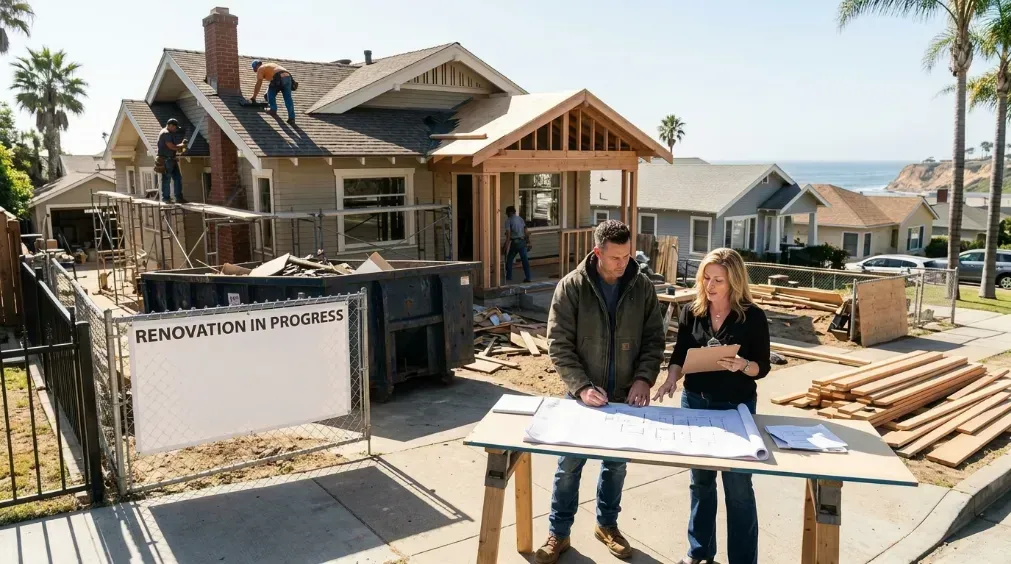
If your project involves renovating an existing structure rather than building new, you might choose to rehab a distressed property instead. Both methods rely on a structured draw process.
Benefits for San Diego Real Estate Developers
The local real estate market presents unique opportunities. Developing property in San Diego CA 92114 requires capital that can navigate local zoning and rapid market shifts. Private construction loans offer speed that traditional institutions cannot match.
Quick approvals mean you can secure prime land before competitors. Flexible underwriting allows you to negotiate terms that fit your specific timeline. For developers operating in Southern California, having direct access to decision-makers is a massive advantage. You can learn more about our lending approach to see how local expertise benefits your bottom line.
Qualifying for Your Next Building Project
Private lenders evaluate construction loans differently than conventional consumer mortgages. The primary focus is the profitability of the build. However, the lender still needs to verify your ability to manage the project.
Lenders look at your track record. If you have successfully built properties before, securing favorable terms becomes much easier. They also require a healthy cash reserve. Unexpected costs always arise during construction, and lenders want to know you can handle them.
While conventional banks demand years of tax returns, private lenders offer flexibility. Similar to how investors find success
exploring alternative income documentation for mortgages, construction lenders prioritize common sense underwriting.
Essential Documentation Required
To keep the approval process moving quickly, prepare your documents in advance.
- Detailed Project Budget: A line-item breakdown of all building costs.
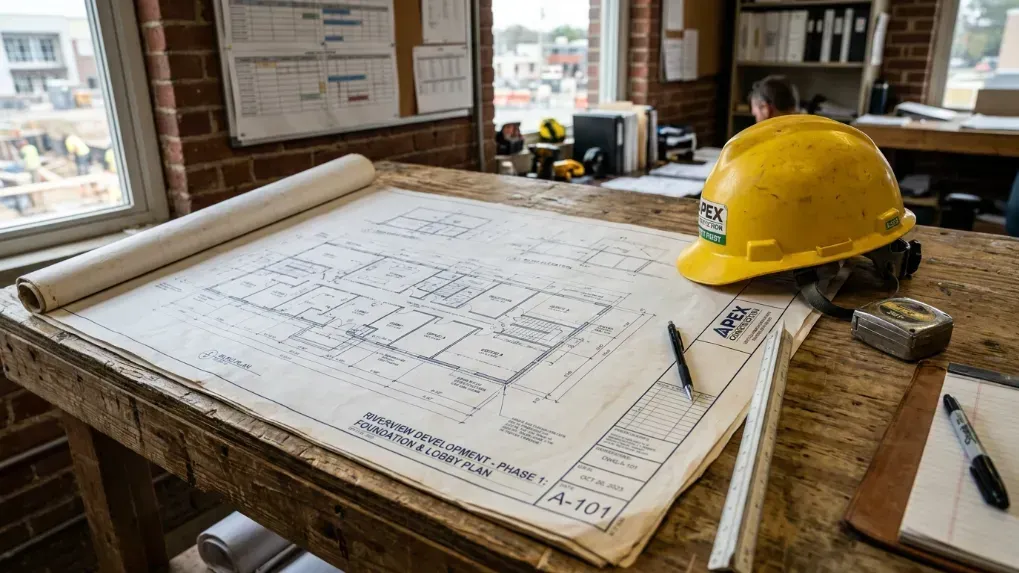
- Construction Plans: Full architectural blueprints approved by the city.
- Builder Profile: A resume of your previous real estate projects.
- Contractor Agreements: Signed contracts with your licensed general contractor.
- Land Purchase Agreement: The contract showing your acquisition price for the lot.
Transitioning Your Investment Strategy
Your exit strategy determines how you handle the loan once construction finishes. Many developers build properties to sell immediately for a profit. In this scenario, the proceeds from the sale pay off the construction loan.
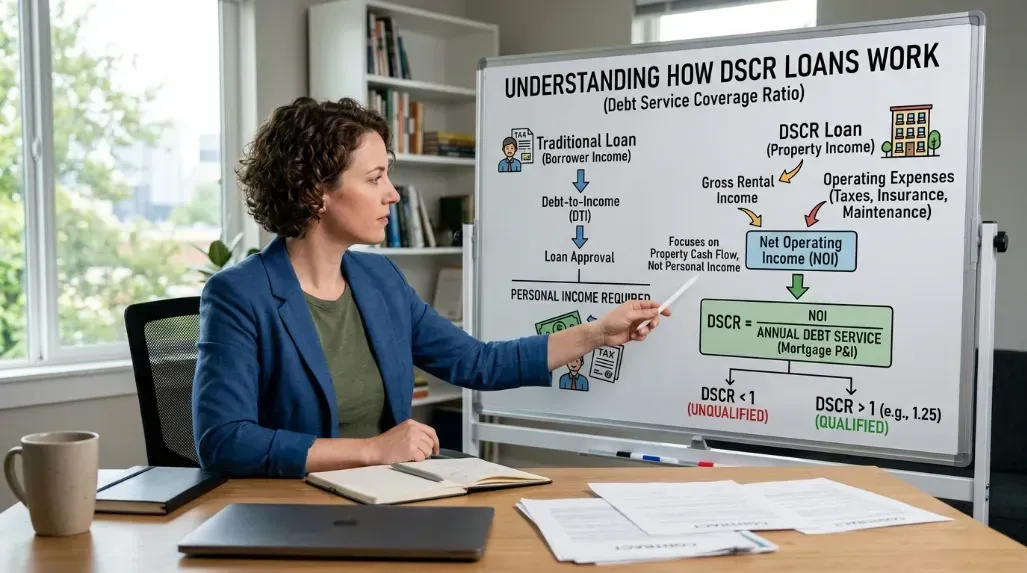
Other investors prefer to build wealth through rental portfolios. Once the building is complete and a tenant signs a lease, you can refinance. Transitioning into long-term rental income financing allows you to pay off the short-term construction debt. This secures a lower, fixed interest rate for the life of the rental property.
Every project requires a tailored financial approach. The best way to map out your funding is to discuss your blueprints directly with a professional. You can easily speak directly with our lending team by calling (619)983-0898 to evaluate your next deal.
Frequently Asked Questions
Do I need to own the land before applying for a construction loan?
No, you do not need to own the land beforehand. Ground-up construction loans can cover both the purchase price of the empty lot and the subsequent building costs. You can close on the land and the construction funds simultaneously.
How long do ground-up construction loans typically last?
These are short-term financial products. Most construction loans have terms ranging from 12 to 24 months. This window provides enough time to complete the build and execute your exit strategy, whether that is selling or refinancing.
What happens if construction takes longer than expected?
Delays happen in real estate development. If you face supply chain issues or weather delays, most private lenders offer loan extensions. You will typically pay an extension fee to lengthen the term, keeping your project compliant and funded.