What Are Multi-Family Loans? A Beginner’s Guide for Real Estate Investors
Unlock the secrets to scaling your real estate portfolio with multi-family financing. From traditional mortgages to the strategic use of a hard money loan, we cover everything you need to know.

Introduction: The Power of Multi-Family Investing
In the world of real estate, there is a distinct threshold where a hobbyist becomes a professional investor. That threshold is often the jump from single-family rentals to multi-family properties. But how do you bridge the gap between owning a single condo and owning a 10-unit apartment complex? The answer lies in understanding the complex yet rewarding world of multi-family financing.
At Our Homepage, we see daily how the right capital structure can transform a modest investment into a generational wealth-building machine. Whether you are looking at a duplex or a 50-unit complex, the loan you choose will dictate your cash flow, your risk profile, and your ultimate return on investment (ROI).
What is a Multi-Family Loan?
A multi-family loan is a type of financing specifically designed for residential properties with more than one housing unit. These properties are generally categorized into two groups: residential multi-family (2 to 4 units) and commercial multi-family (5 or more units). The distinction is critical because it determines the lending criteria, the interest rates, and the complexity of the underwriting process.
Definition of Multi-Family Loan
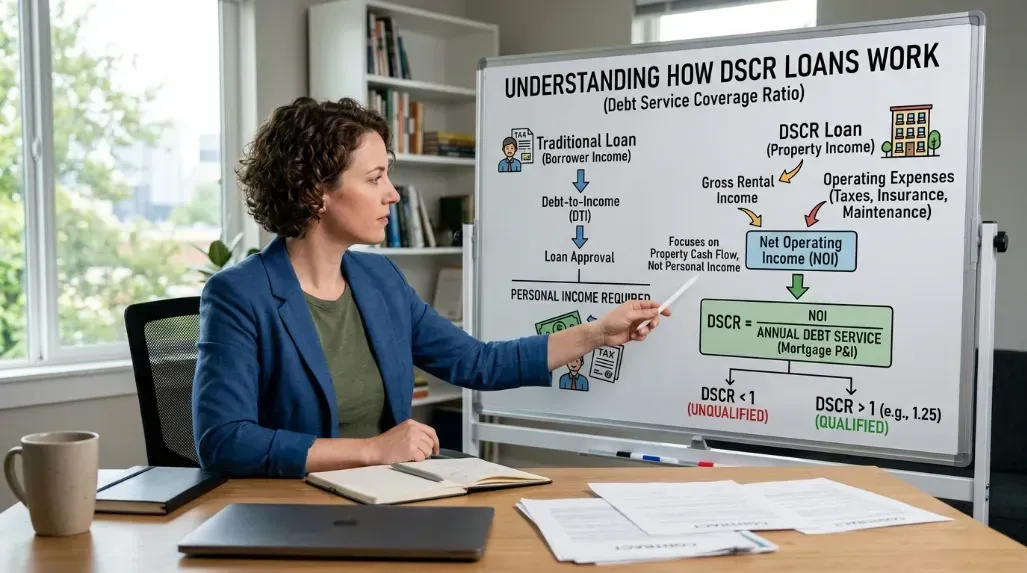
A multi-family loan is a mortgage used to purchase or refinance a property with multiple rental units. For properties with 2–4 units, lenders use residential underwriting based on the borrower's credit and income. For 5+ units, lenders use commercial underwriting, focusing primarily on the property's Net Operating Income (NOI) and Debt Service Coverage Ratio (DSCR).
The Different Types of Multi-Family Loans
Navigating the sea of financial products can be daunting. To help you decide, let's break down the most common Types of Loan structures available to modern investors.
1. Conventional Multi-Family Mortgages
These are the standard loans offered by banks and credit unions, often backed by Fannie Mae or Freddie Mac. They are best suited for properties with 2 to 4 units. They offer competitive interest rates and long terms (typically 30 years), but they come with stringent credit score requirements and high documentation needs.
2. Government-Backed Loans (FHA and VA)
The Federal Housing Administration (FHA) offers loans that allow investors to buy a multi-family property (up to 4 units) with as little as 3.5% down, provided they live in one of the units. VA loans offer 0% down for veterans. These are incredible tools for "house hacking," but they are not applicable for large-scale commercial buildings.
3. Bridge Loans and the Hard Money Loan
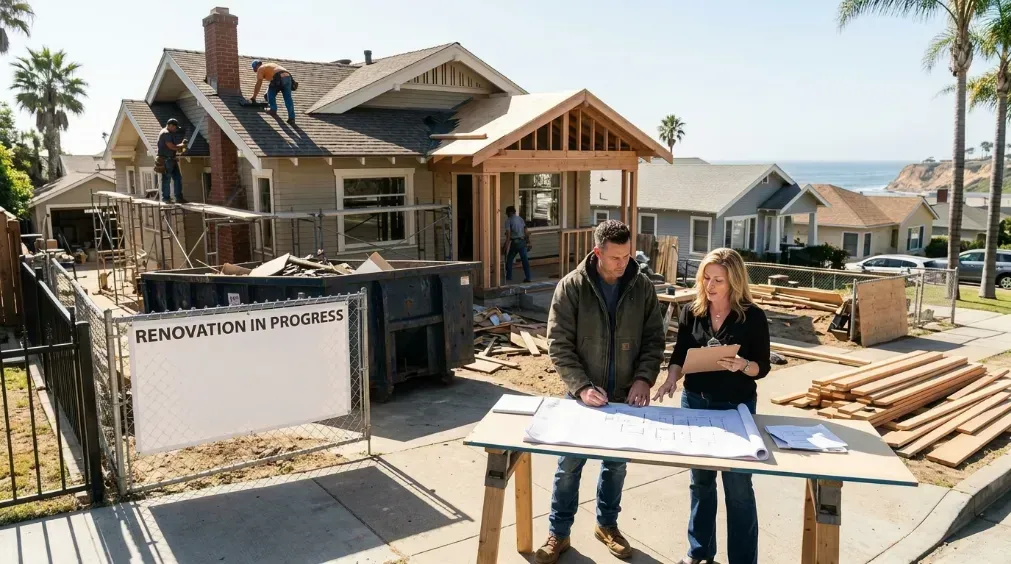
When a property is in disrepair or a deal needs to close in days rather than months, a hard money loan is the preferred instrument. Unlike traditional banks that focus on your tax returns, a hard money lender focuses on the value of the asset. This is particularly useful for "value-add" projects where you plan to renovate a multi-family building and increase its rents before refinancing into a long-term loan.
4. Agency Loans (Fannie Mae & Freddie Mac Small Balance)
For properties with 5+ units, agency loans offer some of the best non-recourse terms in the industry. These are geared toward stabilized properties that already have a strong history of rental income.
Why Use a Hard Money Lender for Multi-Family?
In a competitive market like San Diego, speed is the ultimate currency. Traditional banks can take 45 to 90 days to fund a commercial multi-family deal. In that time, a savvy investor using a hard money lender has already closed the deal, started renovations, and is halfway to increasing the property's value.
At HWH San Diego Hard Money Lender - Real Estate, we specialize in providing the agility that modern investors need. Learn more About Us and how we prioritize your deal's potential over bureaucratic red tape. A hard money loan serves as a bridge, allowing you to secure the asset quickly before transitioning to permanent financing once the property is stabilized.
Key Metrics Every Multi-Family Investor Must Know
Before you apply for a multi-family loan, you must speak the language of the lender. Here are the three pillars of multi-family underwriting:
- Net Operating Income (NOI): This is the total income generated by the property minus all operating expenses. It does not include mortgage payments.
- Cap Rate (Capitalization Rate): Calculated as NOI divided by the purchase price. It tells you the expected rate of return on an all-cash purchase.
- Debt Service Coverage Ratio (DSCR): Lenders use this to see if the property generates enough income to cover the loan payments. Most lenders look for a DSCR of 1.20 or higher.
The Pros and Cons of Multi-Family Investing
Is multi-family right for you? Let's weigh the benefits against the challenges.
The Pros
Economies of Scale: It is often cheaper per unit to maintain one roof over ten units than ten roofs over ten single-family houses. Furthermore, you can hire professional property management more easily when you have multiple units in one location.
Cash Flow Consistency: If one tenant leaves a single-family home, you are 100% vacant. If one tenant leaves a 10-unit building, you are still 90% occupied. This significantly reduces your financial risk.
The Cons
Higher Entry Cost: Even with a hard money loan, the down payment for a multi-family property is usually higher than for a single-family home (typically 20-30%).
Complexity: Managing multiple tenants, larger utility systems, and commercial building codes requires a higher level of expertise and time commitment.
Step-by-Step: How to Secure Your Multi-Family Loan
- Analyze the Property: Request the "Rent Roll" and the "T12" (Trailing 12 months of profit and loss statements).
- Choose Your Financing Path: Decide if you need the speed of a hard money lender for a fix-and-flip/stabilization or a traditional bank for a long-term hold.
- Prepare Your Documents: For commercial loans, your "Personal Financial Statement" (PFS) and "Schedule of Real Estate Owned" (SREO) are vital.
- Property Appraisal and Inspection: The lender will order a commercial appraisal which focuses heavily on the income-producing potential of the property.
- Closing: Once underwriting is complete, funds are disbursed, and you take ownership.
Ready to get a quote for your next project? Contact Us today to discuss your options.
Hard Money vs. Conventional Financing: A Deep Dive
Many beginners ask: "Why would I pay a higher interest rate for a hard money loan?" The answer is opportunity cost. If a traditional bank denies your loan because the property needs a new roof or because you have reached your limit on conventional mortgages, you lose the deal. A hard money lender looks at the "After Repair Value" (ARV), providing you the capital to fix the property and create equity that didn't exist before.
In essence, hard money is a short-term strategy (6-24 months) used to acquire and improve an asset. Conventional financing is a long-term strategy used to hold a stabilized asset. Successful investors often use both in a "BRRRR" strategy (Buy, Rehab, Rent, Refinance, Repeat) specifically tailored for multi-family units.
Current Trends in Multi-Family Real Estate
The demand for multi-family housing remains at historic highs. As homeownership becomes more expensive due to rising interest rates and low inventory, more people are turning to high-quality rentals. This "renter nation" trend makes multi-family assets some of the most resilient investments during economic downturns. Specifically, in markets like San Diego, the shortage of housing ensures that well-maintained multi-family properties stay occupied with rising rents.
Frequently Asked Questions
What is the minimum down payment for a multi-family loan?
For an owner-occupied 2-4 unit property, you can pay as little as 3.5% with an FHA loan. For investment-only properties or buildings with 5+ units, expect to put down 20% to 30%. Hard money lenders may offer different structures based on the property's equity.
How do I qualify for a multi-family loan with bad credit?
If your credit is less than stellar, a hard money loan is often your best option. Hard money lenders prioritize the property's value and your exit strategy over your FICO score, making it a viable path for many recovering investors.
Can I use a hard money loan to buy an apartment complex?
Yes. Many investors use a hard money lender to quickly acquire apartment complexes that are underperforming or need physical repairs. Once the units are renovated and the rents are raised, the investor refinances into a lower-interest permanent commercial loan.
What is a DSCR loan in multi-family investing?
A DSCR (Debt Service Coverage Ratio) loan is a type of multi-family financing that doesn't require personal income verification. Instead, the lender verifies that the property's rental income is sufficient to cover the mortgage, taxes, and insurance payments.
Why are multi-family loans considered commercial?
Once a property has 5 or more units, it is legally classified as commercial real estate. This is because the property is viewed primarily as a business that generates income, rather than just a place of residence, leading to different lending regulations and appraisal methods.
Scaling your real estate business requires the right partners. At HWH San Diego Hard Money Lender - Real Estate, we are committed to providing the capital and expertise you need to succeed in the multi-family market. Whether you are a first-time investor or a seasoned pro, we have the tools to help you grow.
Explore Our Homepage for more resources or Contact Us to start your application today.