The Science and Art of Perfect Matches: How Brokers Connect Borrowers and Lenders
In the fast-paced world of real estate investment, securing the right financing is often the critical factor that separates a successful deal from a missed opportunity. For many investors, especially those with time-sensitive projects like fix-and-flips or unique commercial properties, the traditional banking route is a labyrinth of paperwork, rigid criteria, and slow timelines. This is where the true value of a skilled lending broker emerges. But what exactly happens behind the curtain? How do they consistently find the perfect lender for a borrower's specific needs?
It’s not magic; it's a sophisticated blend of science, data analysis, and the irreplaceable art of human connection. The process of matching a borrower with the ideal lender is a meticulous discipline, designed to de-risk the investment for the lender while maximizing the opportunity for the borrower. Here at HWH San Diego Hard Money Lender - Real Estate, we've honed this process into a core competency. This article will pull back that curtain and explore the science behind how expert brokers secure the right fit.

Beyond the Credit Score: A 360-Degree Borrower Analysis
The first step in any successful match is a deep, comprehensive understanding of the borrower and the deal itself. While a traditional bank might fixate on a FICO score and tax returns, a hard money broker looks at a much broader, more holistic picture. We call this the 360-degree analysis, which reimagines the classic 'Five C's of Credit' for the world of real estate investment.
The Five C's Reimagined for Real Estate Investors
- Character: This isn't just about credit history. It’s about the borrower's track record and experience. Have they successfully completed similar projects before? What is their reputation in the local market? A borrower with a portfolio of profitable flips is a much stronger candidate, even if their credit isn't perfect.
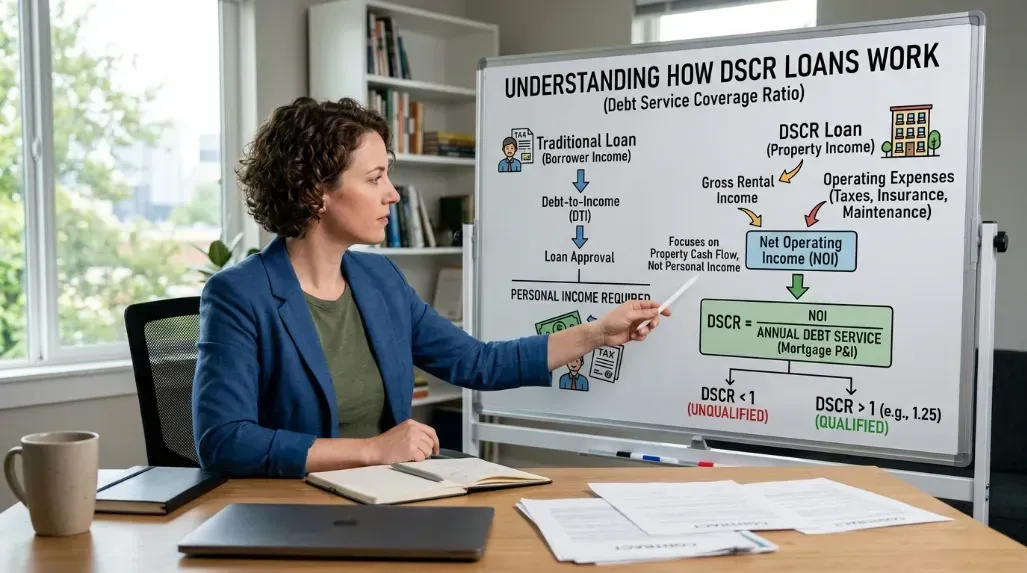
- Capacity: For an investment property, capacity isn't just about personal income. It's about the project's ability to generate revenue and service the debt. A broker analyzes the deal's pro-forma, the potential rental income, or the After Repair Value (ARV) to demonstrate its financial viability.
- Capital: How much 'skin in the game' does the borrower have? This includes the down payment, but also liquidity for carrying costs, renovation budgets, and unforeseen expenses. A well-capitalized borrower shows commitment and reduces the lender's risk.
- Collateral: In hard money lending, the asset is king. The broker’s analysis goes far beyond a simple appraisal. It involves understanding the property's location, its highest and best use, zoning regulations, and its true market potential. Securing funding for different assets requires different strategies, which is why understanding various types of loans is crucial.
- Conditions: This refers to the purpose of the loan, the proposed term, and, most importantly, the borrower's exit strategy. Is this a short-term bridge loan to be refinanced? Is it a fix-and-flip to be sold in six months? A clear and plausible exit strategy is non-negotiable.
A skilled broker knows how to weave these elements into a compelling story. They don't just submit a file; they present a business case that highlights the deal's strengths and proactively addresses any potential weaknesses.
Mapping the Lender Landscape: Understanding a Lender's Appetite
Once the borrower's profile and deal are fully understood, the next scientific step is to map that profile against a complex and ever-changing lender landscape. Not all lenders are created equal. Each has a specific 'appetite'—a unique set of criteria, preferences, and risk tolerances.
Key Lender Characteristics a Broker Analyzes:
- Risk Tolerance & Specialization: Some lenders exclusively fund new construction, while others specialize in commercial properties or short-term bridge loans. A broker won’t waste time sending a fix-and-flip deal to a lender who only finances stabilized, income-producing assets.
- Geographic Focus: Many private lenders have a laser focus on specific markets they know intimately. A lender in Texas may not understand the nuances of the San Diego real estate market. At HWH San Diego Hard Money Lender - Real Estate, we leverage our deep network of lenders who specialize in and understand Southern California, ensuring local market expertise is on our side.
- Funding Speed and Flexibility: A key differentiator is the ability to close quickly. A private lender can often fund a deal in 7-10 days, while a bank might take 45-60 days. The broker knows which lenders have the capital ready to deploy and can meet a borrower's tight deadline.
- The 'Invisible' Criteria: This is where a broker's relationships become invaluable. A broker often knows a lender's 'invisible' criteria: Are they currently heavy on one asset class and looking to diversify? Do they have a preference for working with experienced investors? Have they had a good experience with a similar project recently? This insider knowledge is impossible for a borrower to access on their own.
The Broker's Playbook: The Art and Science of the Perfect Match
With a deep understanding of both the borrower and the lender landscape, the broker initiates the matching process. This is the core of their work, combining technology, strategy, and human relationships.
The Matching 'Algorithm' in Action:
- Data-Driven Filtering: The broker uses their knowledge and internal systems to filter a large pool of potential lenders down to a small handful of high-probability candidates whose lending criteria align perfectly with the borrower's deal.
- Crafting the Strategic Narrative: The broker packages the loan request. This isn't just a collection of documents; it's a professionally crafted narrative. It anticipates the lender's questions, highlights the project's strengths (like a high ARV or the borrower's experience), and provides a clear summary that allows the lender to make a quick, informed decision.
- Leveraging Relationships: Instead of the application landing in a generic inbox, a trusted broker can pick up the phone and talk directly to the decision-maker. They can provide context, answer questions in real-time, and advocate for the borrower. This personal touch can make all the difference. To learn more about our approach and the relationships we've built, visit our About Us page.
- Pre-Underwriting: An expert broker essentially 'pre-underwrites' the file. They identify and resolve potential issues *before* the lender ever sees them. This could involve clearing up a title issue, getting a more detailed budget from the borrower, or providing additional market comps. This saves everyone time and dramatically increases the likelihood of approval.
Case Study: Securing a Fix-and-Flip Loan in San Diego's Competitive Market
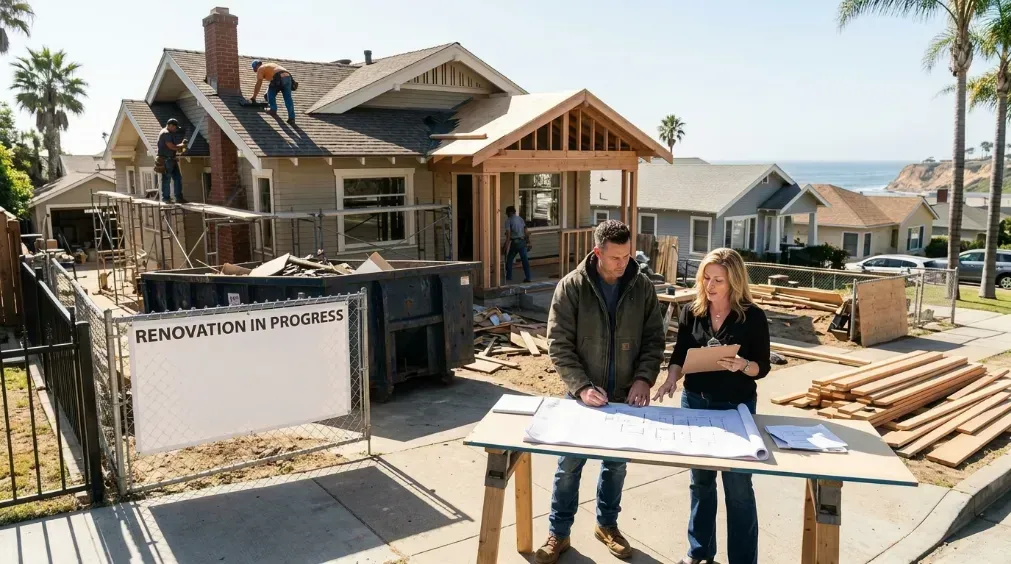
Let's make this tangible. Imagine an experienced real estate investor finds an undervalued single-family home in San Diego's North Park neighborhood. The seller needs to close in 12 days. The property needs a full cosmetic renovation, but the ARV is extremely strong given the location.
- The Challenge: A conventional loan is impossible on this timeline. The investor needs a lender who understands the San Diego market, values the ARV, and can fund the deal quickly.
- The Broker's Solution: The team at HWH San Diego Hard Money Lender - Real Estate gets the call. They immediately perform a 360-degree analysis. They recognize the borrower's strong track record and the project's high-profit potential. Instead of blasting the deal out to dozens of lenders, they identify two specific private lenders in their network known for their expertise in San Diego fix-and-flips. They present the deal, emphasizing the borrower's experience and the compelling ARV supported by hyper-local comps. Within 24 hours, they have a term sheet, and the loan is funded in just 9 days, allowing the investor to secure the property.
This is the science of matching in action—a targeted, strategic approach that delivers results.
Conclusion: Your Strategic Partner in Real Estate Success
Finding the right lender is far too important to be left to chance. The process is a deliberate science, requiring deep analysis, market knowledge, and strategic positioning. A skilled broker acts as your data analyst, your strategist, your advocate, and your trusted partner. They transform a complex, stressful process into a clear path to funding, allowing you to focus on what you do best: finding and executing great real estate deals.
Ready to find your perfect lending match and take your real estate investments to the next level? The team at HWH San Diego Hard Money Lender - Real Estate is here to help. Explore our financing solutions on our homepage or contact us today to discuss your project and see how our scientific approach can work for you.
Frequently Asked Questions
What's the main difference between a bank and a hard money lender?
The primary difference lies in their lending criteria and speed. Banks focus heavily on the borrower's credit score and personal income, with a lengthy underwriting process. Hard money lenders, like those we work with at HWH San Diego Hard Money Lender, focus primarily on the value of the real estate collateral (the 'hard' asset) and can fund loans much faster, often in a matter of days.
How does a real estate lending broker get paid?
Brokers are typically paid through loan origination points, which are a percentage of the total loan amount. This fee is paid by the borrower at the closing of the loan. This structure ensures the broker is motivated to successfully secure the financing that meets the borrower's needs.
Why can't I just find a lender myself online?
While you can find lenders online, you're only seeing the tip of the iceberg. You won't have access to a broker's curated network of private, relationship-based lenders. A broker also saves you immense time, handles the complex packaging and submission process, and uses their leverage and reputation to negotiate better terms and ensure a smooth closing.
What is the most important factor lenders look for in a hard money deal?
While all factors are considered, the most critical element in a hard money deal is the strength of the collateral and the clarity of the exit strategy. Lenders want to see a property with significant equity or value-add potential (a low loan-to-value ratio) and a clear, believable plan for how the borrower will repay the loan, typically through a sale or refinance.