Fast Financing for Fast Flips: The Smart Investor’s Guide to Fix and Flip Loans
In the high-stakes world of real estate investing, speed isn't just an advantage—it's everything. You've spent weeks, maybe months, hunting for the perfect property. It has great bones, it's in a desirable neighborhood, and the numbers work. But there's a catch: the seller needs to close in ten days. Your traditional bank lender just laughed. This is where the savviest investors have a secret weapon: the fix and flip loan.
For ambitious investors looking to capitalize on quick turnaround projects, conventional financing is often a roadblock, not a pathway. The lengthy approval processes, stringent credit requirements, and focus on personal income can bring a promising deal to a screeching halt. This guide will illuminate the world of fix and flip loans, explaining how they work, why they are superior for investors, and how you can secure one to fund your next successful project.

What Exactly Are Fix and Flip Loans?
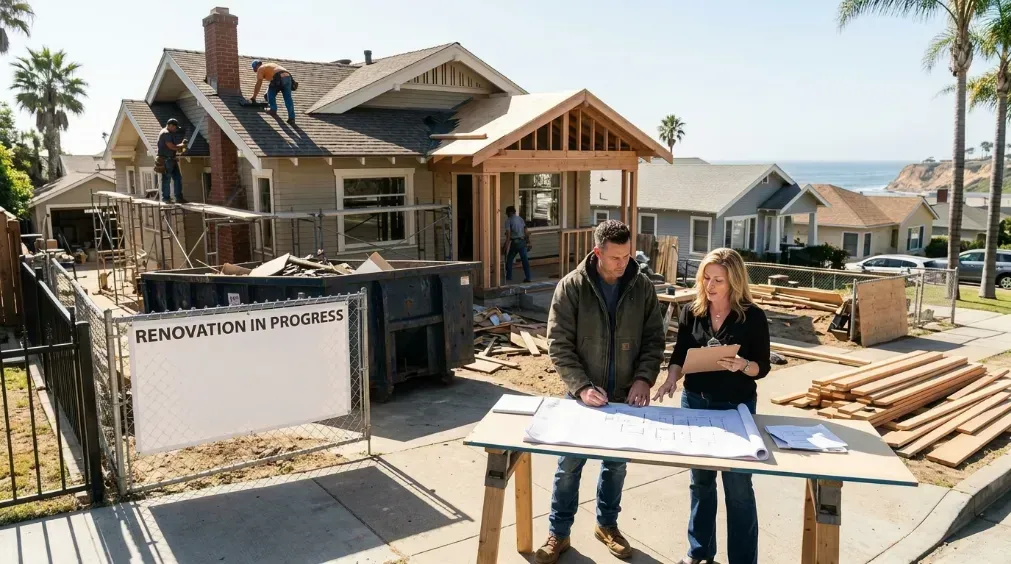
A fix and flip loan is a short-term financing instrument designed specifically for real estate investors who intend to purchase and renovate a property before selling it for a profit. Unlike traditional mortgages, which are meant for long-term owner-occupancy, these loans are built for speed and efficiency.
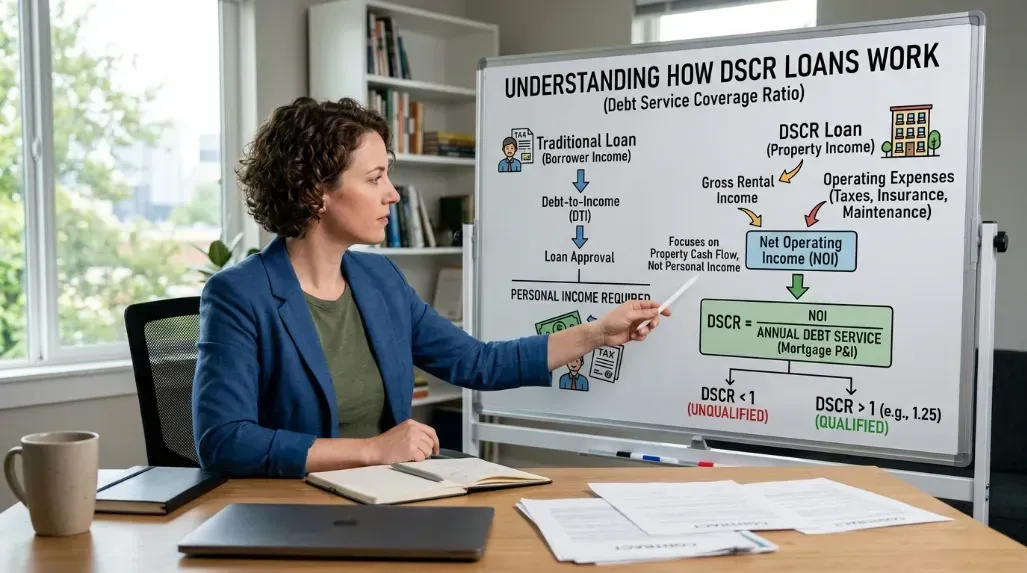
The core difference lies in the underwriting process. While a conventional lender scrutinizes your personal financial history (W-2s, tax returns, debt-to-income ratio), a hard money lender focuses primarily on the asset itself. They are more interested in the viability of the project—the property's current value, the cost of renovations, and its potential After Repair Value (ARV). This asset-based approach is what allows lenders like HWH San Diego Hard Money Lender - Real Estate to make decisions and fund loans in a matter of days, not months.
The Anatomy of a Fix and Flip Loan: Understanding the Key Metrics
To navigate the world of hard money lending, you need to speak the language. Lenders evaluate deals based on a few critical metrics that determine the project's risk and potential. Understanding these terms is the first step toward securing funding.
Key Loan Metrics Explained
- After Repair Value (ARV): This is the most important number in any flip. The ARV is an appraiser's professional opinion of what the property will be worth on the open market after all your planned renovations are completed. Lenders base their loan amount on this future value, not the current, distressed price.
- Loan-to-Value (LTV): This ratio compares the loan amount to the property's current appraised value or purchase price, whichever is lower. For example, if a property is purchased for $400,000 and the lender offers a loan at 80% LTV, the loan amount for the purchase would be $320,000.
- Loan-to-Cost (LTC): This metric is often more relevant for fix and flip loans as it includes renovation costs. LTC compares the total loan amount to the total project cost (purchase price + renovation budget). A lender might offer up to 90% LTC, meaning you would need to bring the remaining 10% as a down payment.
Here’s a simple breakdown of how these metrics might apply to a deal:
| Metric | Description | Example Calculation |
|---|---|---|
| Purchase Price | The price you pay for the property. | $500,000 |
| Rehab Budget | The estimated cost of all renovations. | $100,000 |
| Total Project Cost | Purchase Price + Rehab Budget | $600,000 |
| After Repair Value (ARV) | The estimated market value after renovations. | $800,000 |
| Loan Amount (at 90% LTC) | 90% of Total Project Cost | $540,000 |
| Investor Cash to Close | 10% of Total Project Cost + Closing Costs | ~$60,000 + Costs |
How to Qualify for a Fix and Flip Loan: A Step-by-Step Guide
Securing a fix and flip loan is more straightforward than a traditional mortgage, but it still requires preparation. Lenders are looking for competent partners with well-vetted deals.
Step 1: The Deal is King
Your most important asset is a good deal. Before you even approach a lender, you need to have a property under contract (or identified) with numbers that make sense. This means you've done your due diligence on the purchase price and have a realistic estimate of the ARV based on comparable sales in the area.
Step 2: Prepare Your Documentation
While less paperwork-intensive than a bank loan, you'll still need to provide key documents. This typically includes:
- A detailed scope of work and renovation budget.
- The purchase and sale agreement for the property.
- Entity documents (if you're buying in an LLC or corporation).
- A summary of your real estate investing experience (if any).
- Bank statements to show you have the cash for the down payment and reserves.
Step 3: Choose the Right Lending Partner
Not all hard money lenders are created equal. You want a partner who is transparent, reliable, and has deep knowledge of your local market. An experienced local lender can be an invaluable asset, helping you vet your ARV and understand market trends. At HWH San Diego Hard Money Lender - Real Estate, we pride ourselves on being more than just a source of capital; we are partners in our clients' success, leveraging our local expertise to help ensure their projects are profitable.
Step 4: Present Your Project Professionally
Organize your documents into a clean package. Clearly articulate your plan, your budget, your timeline, and your exit strategy (i.e., selling the property). A professional presentation shows the lender you are a serious investor who has thought through the project from start to finish.
Critical Mistakes to Avoid When Using Fix and Flip Loans
While powerful, these loans come with responsibility. Avoiding common pitfalls is key to long-term success.
- Underestimating Renovation Costs: Always build a contingency fund (10-15%) into your budget. Unexpected issues like hidden water damage or electrical problems are common in older homes.
- Overestimating the ARV: Hope is not a strategy. Base your ARV on solid, recent, and comparable sales. Being overly optimistic can erase your entire profit margin.
- Having No Clear Exit Strategy: Before you buy, know how you'll sell. Understand the market, know your target buyer, and have a backup plan (like refinancing into a rental loan) if the market shifts unexpectedly.
- Ignoring Loan Terms: Pay close attention to interest rates, origination points, and the loan term. Since these are short-term loans, ensure your project timeline aligns with the loan's maturity date to avoid costly extension fees.
Your Partner in Profitability
Fix and flip loans are the fuel for modern real estate investment. They provide the speed and flexibility needed to seize opportunities that traditional financing simply can't accommodate. By understanding the process, preparing thoroughly, and partnering with a reputable lender, you can unlock your full potential as an investor.
If you're ready to take your real estate investing to the next level, the team at HWH San Diego Hard Money Lender - Real Estate is here to help. We offer a range of flexible loan products designed for investors, by investors. We make fast, common-sense lending decisions to help you close deals and maximize your returns.
Don't let a slow lender be the reason you miss out on your next big project. Contact us today to discuss your deal and experience the difference a dedicated hard money partner can make.
Frequently Asked Questions
How quickly can I get a fix and flip loan?
With a hard money lender, the process is significantly faster than a traditional bank. Once you have a property under contract and provide the necessary documentation, it's possible to get funded in as little as 7-10 business days, sometimes even faster for experienced borrowers.
Is my personal credit score a major factor?
While lenders will likely check your credit, it is not the primary factor for approval. Hard money loans are 'asset-based,' meaning the lender is most concerned with the quality of the real estate deal itself—the purchase price, rehab budget, and After Repair Value (ARV). A lower credit score is less likely to be a deal-breaker than with a conventional loan.
What's the difference between Loan-to-Cost (LTC) and Loan-to-Value (LTV)?
LTV (Loan-to-Value) is based on the property's current value or purchase price. LTC (Loan-to-Cost) is based on the total project cost, which includes both the purchase price and the renovation budget. For fix and flip projects, LTC is often a more important metric as it reflects the lender's contribution to the entire project, not just the acquisition.
Can I finance 100% of my fix and flip project?
While some lenders may advertise 100% financing, this typically only covers the purchase and renovation, and it's usually reserved for highly experienced investors with a proven track record. Most investors should expect to contribute a down payment (typically 10-20% of the total project cost) plus closing costs and have cash reserves for unexpected expenses.