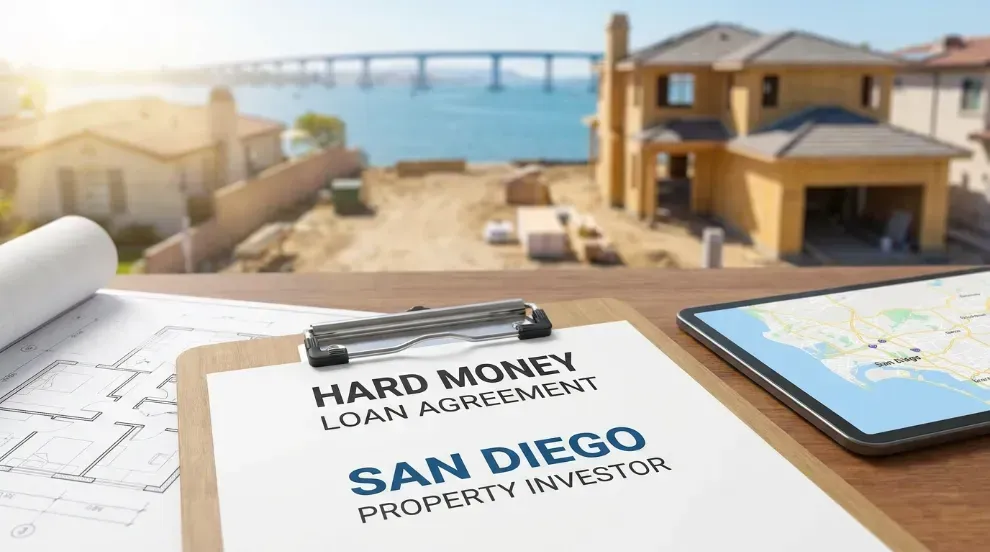
Denied by Traditional Lenders? Hard Money Could Be Your Green Light
The phone call or email arrives, and your heart sinks. "We regret to inform you..." After weeks of paperwork, credit checks, and anxious waiting, your loan application has been denied by a traditional lender. For many real estate investors and aspiring property owners, this feels like a dead end. But what if it’s not an ending, but a detour to a faster, more flexible path? What if there was a financial tool designed specifically for situations where banks can't or won't help? Welcome to the world of hard money lending.
If you've been turned away due to a less-than-perfect credit score, a unique property, or the need for speed that traditional banks can't match, you're in the right place. This guide will illuminate the path of hard money loans, explaining what they are, who they're for, and how they can be the green light you need to move forward on your real estate journey. Here at HWH San Diego Hard Money Lender - Real Estate, we specialize in funding the opportunities that others overlook.

Why Traditional Lenders Say "No"
Before diving into the solution, it's crucial to understand the problem. Traditional lenders like banks and credit unions operate under a very strict and risk-averse framework. Their approval process is a meticulous, multi-layered examination of your personal financial history. Common reasons for denial include:
- Strict Credit Score Requirements: A few past financial missteps can easily drop your FICO score below their minimum threshold.
- Debt-to-Income (DTI) Ratios: Even with a high income, if your existing debt payments are considered too high relative to your earnings, you'll be flagged as a risk.
- Verifiable Income Hurdles: Self-employed individuals, freelancers, or those with variable income often struggle to provide the two-plus years of consistent W-2s that banks demand.
- The Property Itself: If you're looking to purchase a property that needs significant repairs (a classic fix-and-flip), banks often balk. They lend on the current value, not the potential after-repair value (ARV).
- Slow and Bureaucratic Timelines: The traditional loan process can take 30 to 60 days, or even longer. In a competitive real estate market, this delay means losing out on prime opportunities to cash buyers or faster-moving investors.
What is Hard Money Lending? The Alternative Path
A hard money loan is a short-term loan secured by real estate. Unlike traditional loans that focus primarily on the borrower's creditworthiness, hard money lenders focus on the value of the property—the "hard asset." This fundamental difference is what makes hard money a powerful tool for investors. The loan is provided by private investors or a fund, like HWH San Diego Hard Money Lender - Real Estate, rather than a conventional bank.
The core principle is simple: if the borrower defaults on the loan, the lender can foreclose on the property to recoup their investment. Because the loan is well-secured by valuable real estate, the lender is less concerned with your credit score or income statements. The property's value provides the security, opening doors that would otherwise be firmly shut.
The Core Differences: Hard Money vs. Traditional Loans
To truly understand the value proposition, let's compare the two lending models side-by-side. This table breaks down the key distinctions that matter most to a borrower.
| Factor | Hard Money Loan | Traditional Bank Loan |
|---|---|---|
| Loan Basis | Value of the property (the hard asset) and its After-Repair Value (ARV). | Borrower's credit score, income history, and DTI ratio. |
| Approval & Funding Speed | Extremely fast; typically 3-10 business days. | Slow and methodical; typically 30-60+ days. |
| Loan Term | Short-term, usually 6 months to 3 years. | Long-term, typically 15 or 30 years. |
| Flexibility | Highly flexible and customizable loan terms. | Rigid, standardized loan products with little room for negotiation. |
| Ideal Borrower | Real estate investors, flippers, builders, those needing fast capital. | Primary home buyers with stable jobs and excellent credit. |
Who is the Ideal Candidate for a Hard Money Loan?
Hard money isn't just a last resort; for many, it's the first and best choice. You might be an ideal candidate if you are:
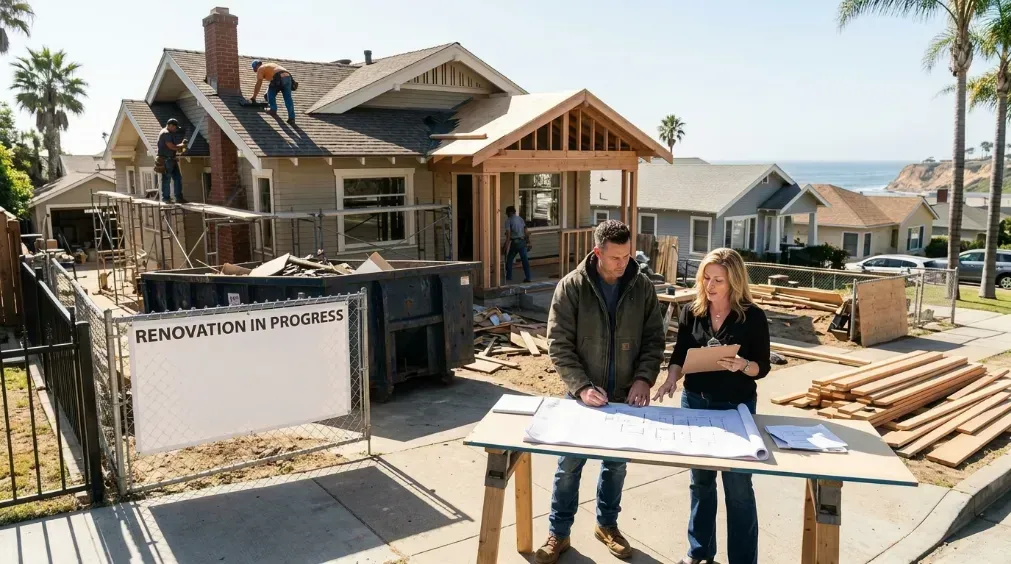
- A Real Estate Flipper: You need to purchase a distressed property, fund the renovations, and sell it quickly for a profit. Hard money loans are the lifeblood of the fix-and-flip industry, often funding both the purchase and the rehab costs based on the ARV.
- A Real Estate Investor Needing Speed: When a hot property hits the market, you need to act like a cash buyer. A hard money loan allows you to close in days, not months, giving you a massive competitive advantage.
- A Builder or Developer: You need short-term financing for a new construction project or land development before securing long-term traditional financing once the project is complete and stabilized.
- An Investor with Credit Blemishes: A past foreclosure, bankruptcy, or low credit score won't automatically disqualify you. If the deal makes sense and the property has equity, you can still get funded.
- A Commercial Property Buyer: You need to acquire a commercial building quickly or need a bridge loan to cover a gap between other financing arrangements.
Unlocking Opportunities: Common Scenarios for Hard Money Loans
Theory is great, but let's look at practical applications. Here are some common situations where hard money loans from a lender like HWH San Diego Hard Money Lender - Real Estate provide the perfect solution:
- The Fix-and-Flip Project: An investor finds a home in a desirable San Diego neighborhood for $600,000 that needs $100,000 in renovations. Its ARV is estimated at $950,000. A bank would likely deny the loan due to the property's condition. A hard money lender, however, sees the potential and can fund a significant portion of the $700,000 total project cost, allowing the investor to complete the project and realize a profit.
- The Bridge Loan: A business owner wants to buy a new, larger facility but needs to sell their current one first. A hard money bridge loan can provide the funds to purchase the new property immediately, giving them the time and flexibility to sell their old property without pressure.
- The Land Acquisition: A developer wants to buy a vacant lot to build townhouses. Banks are notoriously hesitant to lend on raw land. A hard money loan can secure the land, allowing the developer to get entitlements and plans in place before transitioning to a traditional construction loan.
Navigating the Hard Money Process: What to Expect
One of the most appealing aspects of hard money is the streamlined process. It's built for speed and efficiency. While every lender is slightly different, the general steps are:
- Application: You submit a simple application, focusing on the property details, your plan for it, and the numbers (purchase price, rehab budget, ARV).
- Property Appraisal & Due Diligence: The lender will assess the property's value. This is the most critical step. They'll likely order an independent appraisal to confirm the value and ARV.
- Term Sheet: If the deal makes sense, the lender will issue a term sheet outlining the loan amount, interest rate, points (lender fees), and loan term.
- Closing: Once you agree to the terms, the final loan documents are drawn up. The process moves to an escrow/title company for signing, and the funds are released. This entire process can happen in as little as a few days.
For a deeper look into the specific types of loan structures we offer, you can explore our services page.
Addressing the Myths: Common Misconceptions About Hard Money
Hard money lending sometimes carries a negative stigma, which is largely based on outdated information. Let's debunk a few common myths:
- Myth 1: It's only for desperate borrowers. False. Savvy, successful investors use hard money as a strategic tool to scale their businesses, leverage opportunities, and move faster than the competition.
- Myth 2: The interest rates are predatory. While rates are higher than traditional bank loans, they are not predatory. The rate reflects the increased risk, the short-term nature of the loan, and the incredible speed and convenience provided. For a short-term project like a flip, the interest cost is simply factored in as a cost of doing business.
- Myth 3: The lenders are unregulated loan sharks. False. Reputable hard money lenders are professional, licensed organizations that operate under state and federal regulations. They are business-to-business lenders providing a valuable service to the real estate industry.
Conclusion: Your Green Light Awaits
Being denied by a traditional lender is not a reflection of your potential as a real estate investor. It's often just a sign that you're trying to fit a dynamic, time-sensitive project into a rigid, slow-moving system. Hard money lending offers a different system—one built on speed, flexibility, and the tangible value of the property itself.
It's the financial tool that allows you to compete with cash buyers, seize opportunities that others must pass up, and bring your real estate visions to life. If you have a solid project and have been met with a red light from the bank, it's time to consider a different route. Your green light could be just one conversation away. Ready to discuss your next project? Contact our team at HWH San Diego Hard Money Lender - Real Estate today.
Frequently Asked Questions
What credit score do I need for a hard money loan?
While lenders will likely check your credit, there is often no minimum FICO score requirement. The primary focus is on the property's equity and the viability of your project. A strong deal with a valuable asset is more important than a perfect credit history.
How quickly can I get a hard money loan funded?
One of the main advantages of hard money is speed. While timelines vary, it's common for loans to be approved and funded in as little as 3 to 10 business days, compared to the 30-60+ day timeline for traditional bank loans.
Are hard money loans more expensive than traditional loans?
Yes, hard money loans typically have higher interest rates and origination fees (points) than conventional loans. This higher cost reflects the lender's increased risk, the short-term nature of the loan, and the value of speed and convenience. Investors factor these costs into their project's budget.
Can I use a hard money loan to buy a primary residence?
Generally, no. Hard money loans are considered commercial loans and are intended for business or investment purposes, such as buying rental properties, fix-and-flip projects, or commercial buildings. Regulations often prohibit their use for purchasing an owner-occupied primary residence.